


Cerebellum: Yoga for Coordination & Balance
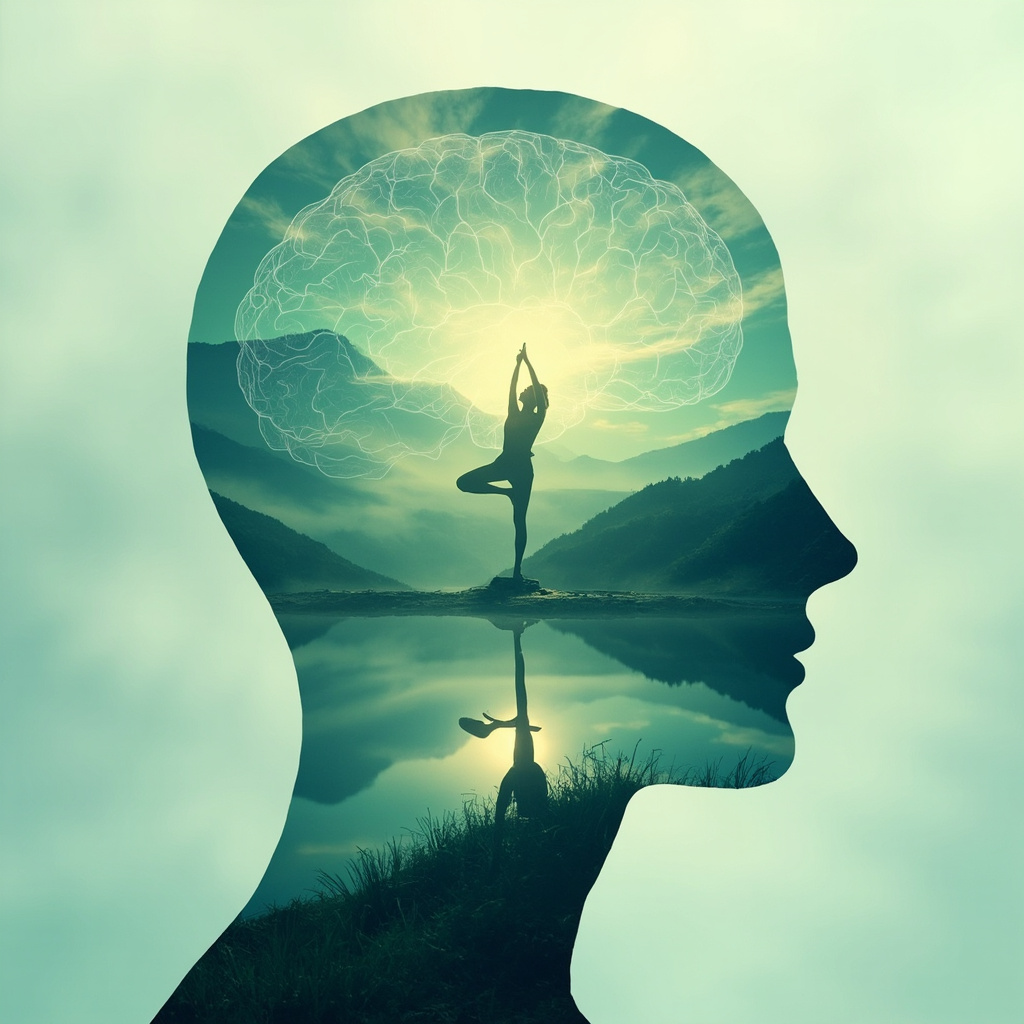
The cerebellum is a key part of your brain, tucked at the lower back, just above the brainstem and under the rear lobes. It acts like a conductor, making sure your movements flow smoothly. Learn more about the cerebellum.
When it works well, the cerebellum coordinates voluntary actions, holds your posture steady, and sharpens motor skills. It helps you walk without stumbling, button a shirt precisely, speak clearly, and track objects with your eyes. This quiet powerhouse ensures efficiency in every step and gesture.
Signs Your Cerebellum Needs Attention
If the cerebellum is out of sync, you might notice:
- Unsteady walking or gait problems
- Trouble with fine tasks, like writing or typing
- Slurred speech or shaky voice
- Jerky eye movements or dizziness
These physical clues often tie to deeper feelings. The cerebellum links to your sense of balance in life-coordinating responsibilities, handling change, or feeling supported. Stress from trying to control everything can show up here, creating inner instability or overwhelm.
The Emotional Side of the Cerebellum
Beyond muscles, the cerebellum influences emotions. It supports feelings of control and harmony. When strained, you may feel off-kilter, like life is pulling you in too many directions. Lack of support or constant pressure can amplify this, mirroring shaky steps with emotional wobbles. Nurturing it brings not just physical steadiness but a grounded mind.
Cerebellum as Your Inner Resource
A healthy cerebellum aids the whole body. It optimizes posture and balance, distributes energy smartly, and boosts responses to stress. It teams up with muscles, nerves, and senses for fluid action. Call on it during challenges-it coordinates recovery, steadies your core, and fosters resilience.
Yoga to Harmonize Your Cerebellum
Yoga directly engages the cerebellum through balance challenges and mindful movement. Research links regular practice to more gray matter in this area, enhancing coordination and reducing cognitive slips. Poses that demand focus and stability build its strength, while breathwork calms related nerves.
Key Poses for Cerebellar Support
Start slow, hold 30-60 seconds per side, breathe deeply:
- Tree Pose (Vrksasana): Root one foot, lift the other to your inner thigh. Arms overhead like branches. Builds single-leg balance, sharpens focus.
- Warrior III (Virabhadrasana III): Hinge forward from standing, lift one leg back, arms forward. Strengthens core coordination, refines posture.
- Eagle Pose (Garudasana): Wrap legs and arms, perch on toes. Twists improve proprioception-your body's position sense.
- Half Moon Pose (Ardha Chandrasana): From forward bend, lift one hand and leg. Challenges side balance, links eyes and limbs.
- Boat Pose (Navasana): Sit, lift legs and torso into V-shape. Core work ties cerebellum to spinal stability.
Breathing Practices
Pair poses with pranayama for nervous system balance:
- Alternate Nostril Breathing (Nadi Shodhana): Close right nostril, inhale left; switch. Balances brain sides, steadies HRV.
- Ujjayi Breath: Soft throat hiss on exhales. Anchors focus, eases stress signals.
Sample 15-Minute Sequence
- Child's Pose (Balasana): 2 minutes, surrender and center.
- Cat-Cow flows: 10 rounds, warm spine.
- Tree Pose: 1 minute each side.
- Warrior III: 30 seconds each.
- Eagle Pose: 45 seconds each.
- Boat Pose: 3 holds of 20 seconds.
- Seated Forward Bend (Paschimottanasana): 2 minutes, calm.
- Corpse Pose (Savasana): 3 minutes, integrate.
Practice daily, especially if stress or posture biomarkers flag tension. Track how movements feel smoother, steps surer. Over time, yoga fosters cerebellar efficiency, blending body control with emotional poise.
For personalization, note energy levels or wobbles-adjust intensity. This builds not just balance, but trust in your body's wisdom.
- 1. pmc.ncbi.nlm.nih.gov
- 2. aggietranscript.ucdavis.edu
- 3. instagram.com
- 4. myneurobalance.com
- 5. 5koshasyoga.com
- 6. youtube.com
- 7. lonestarneurology.net
- 8. aurawellnesscenter.com
- 9. revolutionhealth.org
- 10. medium.com
- 11. communities.springernature.com
- 12. pmc.ncbi.nlm.nih.gov
- 13. facebook.com
- 14. pmc.ncbi.nlm.nih.gov
- 15. yoga15.com
- 16. journals.sagepub.com
- 17. artofliving.org
- 18. pmc.ncbi.nlm.nih.gov
- 19. pmc.ncbi.nlm.nih.gov
- 20. mybraindr.com
- 21. pmc.ncbi.nlm.nih.gov
- 22. facebook.com
- 23. therabody.com
- 24. thearcherhotyogatowel.com
- 25. facebook.com
- 26. microcurrentneurofeedback.com
- 27. pmc.ncbi.nlm.nih.gov
- 28. pmc.ncbi.nlm.nih.gov
- 29. sciencedirect.com
- 30. heart.org
- 31. nature.com
- 32. ashishjaiman.medium.com
- 33. altimed.net
- 34. mindalive.com
- 35. pmc.ncbi.nlm.nih.gov
- 36. instagram.com
- 37. frontiersin.org
- 38. brainfacts.org
- 39. thriva.co
- 40. annwestyoga.com
- 41. pmc.ncbi.nlm.nih.gov
- 42. pmc.ncbi.nlm.nih.gov
- 43. vestibular.org
- 44. academia.edu
- 45. bbc.com
- 46. pubmed.ncbi.nlm.nih.gov
Related posts
Glossary
- Energy and mind Structures > Focused Coherence; Focus
- Body zones > muscles
- Body zones > nerves
- Body zones > senses
- Body zones > cerebellum
- Body zones > throat
- Body zones > eyes
- TCM Recipes > Brain Boost: Clear Fog, Improve Focus & Memory
- Energy and mind Structures > movement
- Energy and mind Structures > Limbs, skin
- Energy and mind Structures > Stress
- Stimuli > Moon - Nasal Passage, Breathing, Taste
- Stimuli > AIDS
- Binaural beats > Nervous System: A Program for Emotional Balance and Relaxation
- Stimuli > Moon
- Stimuli > Harmony
see also...
- Energy and mind Structures > HRV
- Energy and mind Structures > Body zones > eyes
- Energy and mind Structures > TCM Recipes > Boost Energy: A Simple Remedy for Low Energy and Fatigue
- Binaural beats > Stimuli > Sacral, Zinc Etc
- Binaural beats > Transmutation: A Sound Journey for Personal Change
- Testimonials > 61% Drop in Nausea and 58% in Headaches from Sound Therapy