


Blood Pressure Sympathetic Control: Fear's Body Echo
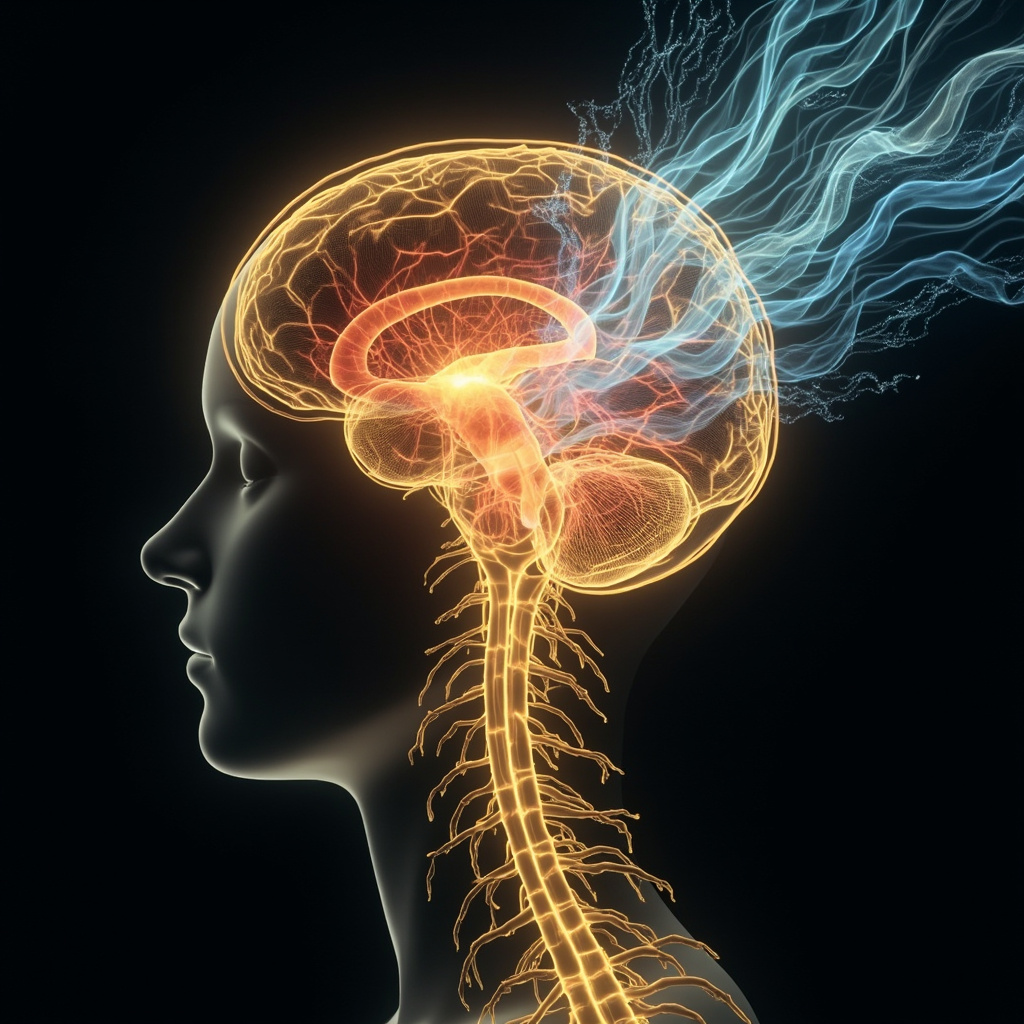
Your body has a quiet guardian that keeps blood pressure steady, especially when life feels tense. This is blood pressure sympathetic control, part of the autonomic nervous system. It works behind the scenes in the brainstem and spinal cord to adjust blood vessels and heart rate. Think of it as your inner protector, ready to act during stress or activity.
How It Keeps Balance
When everything runs smoothly, this control tightens or relaxes blood vessels as needed. During a workout or a stressful moment, it raises pressure to send more oxygen-rich blood where it's required. Afterward, it eases back to normal. This dance ensures your heart, brain, and muscles get what they need without overload.
Stable blood pressure supports daily life. It prevents dizziness from drops or strain from spikes. In moments of challenge, it acts like a steady hand, maintaining flow so you can focus outward.
Signs of Struggle
Sometimes this guardian falters. Hypertension brings high pressure, straining the heart over time. Hypotension causes lows, leading to fatigue or fainting. Irregular swings leave you unsettled, with headaches or unease.
These shifts often tie to lifestyle, but deeper patterns emerge. Chronic activation mimics a body stuck in alert mode, pumping stress hormones endlessly.
The Emotional Mirror
From a Jungian view, the body speaks the language of the psyche. Blood pressure sympathetic control often highlights fear and stress. Imagine feeling under constant threat-real or felt. The sympathetic system, part of fight-or-flight, overdrives. Blood vessels constrict, heart races, pressure climbs.
Unresolved conflicts keep this loop going. Childhood shadows, work pressures, or hidden anxieties signal through the body. It's the unconscious crying for attention, manifesting as physical tension. Clients share stories of tight chests or pounding pulses mirroring inner dread.
Dreams offer clues too. Recurring chases or threats might pair with these biomarkers, urging exploration of repressed fears. The psyche uses symptoms as symbols, inviting integration.
As a Trusted Resource
When balanced, this control shines as a helper. It boosts blood flow and oxygen to organs under duress, aiding recovery. During emotional storms, it sustains vitality, letting the mind process without collapse.
In therapy, we honor it. Picture directing awareness here during visualization: 'Feel your guardian steady the flow, protecting as you face the shadow.' This builds alliance between body and soul.
Jungian Paths to Harmony
Shadow work transforms agitation. Biomarkers of high energy or unrest in this area prompt questions: What threat lingers unseen? Active imagination lets you dialogue with the fear, softening its grip.
Track changes over sessions. As emotional knots untie, pressure rhythms calm, reflecting individuation-the journey to wholeness. Trauma held in the nervous system releases through symbolic acts, like guided journeys tracing energy paths.
One client, plagued by spikes, uncovered a buried loss. We linked it to dreams of rising waters-overwhelm. Resonating with calm structures eased the sympathetic drive, mirroring psyche's shift.
Daily Reflections for Inner Peace
Notice your pulse in stress. Breathe deeply; invite the guardian to rest. Journal fears surfacing with tension. These steps align body and mind.
For deeper work, explore blood pressure sympathetic control as a psyche mirror. It guides toward balance, where fear yields to strength. Your body knows the way-listen closely.
Glossary: Blood pressure sympathetic control
(Word count: 612)
Related posts
Glossary
- Energy and mind Structures > oxygen
- Energy and mind Structures > Focused Coherence; Focus
- Energy and mind Structures > Drive
- Body zones > Blood pressure sympathetic control
- Body zones > hormones
- Body zones > muscles
- Body zones > face
- Energy and mind Structures > Organs
- TCM Recipes > Heart Health: Remedies for Anxiety and Palpitations
- TCM Recipes > Brain Boost: Clear Fog, Improve Focus & Memory
- TCM Recipes > Boost Your Energy: A TCM Recipe for Fatigue Relief
- Energy and mind Structures > vitality
- Energy and mind Structures > blood pressure
- Energy and mind Structures > Stress
- Binaural beats > Trauma Healing: Binaural Beats for Emotional Balance
- Binaural beats > Spinal Cord Support: Enhance Wellness and Emotional Balance
- Binaural beats > Nervous System: A Program for Emotional Balance and Relaxation
- Binaural beats > Blood Vessels & Arteries: Boost Circulation & Well-Being
- Stimuli > Blood
see also...
- Energy and mind Structures > HRV
- Energy and mind Structures > Body zones > thoracic
- Energy and mind Structures > TCM Recipes > Tension Headache Relief: A Natural Approach to Ease Stress
- Testimonials > 61% Drop in Nausea and 58% in Headaches from Sound Therapy
- Binaural beats > Blood Vessels & Arteries: Boost Circulation & Well-Being
- Binaural beats > Stimuli > Variolinum