


Sleep-Onset Insomnia: Ease into Rest
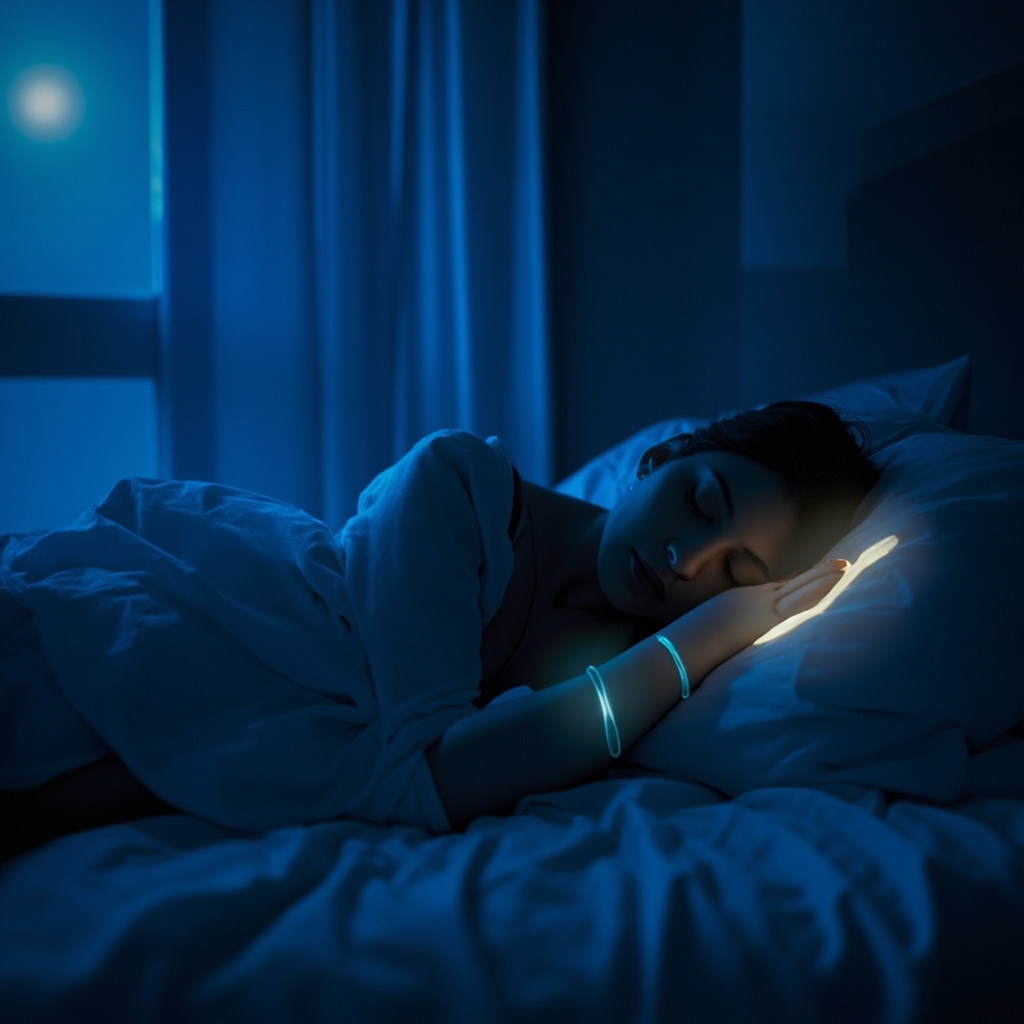
What is Sleep-Onset Insomnia?
Sleep-onset insomnia happens when you lie in bed, ready for sleep, but your mind races or your body feels tense. You might toss and turn for 30 minutes or more before drifting off. This leaves you tired the next day, affecting focus, mood, and energy. Unlike trouble staying asleep, this focuses on that initial barrier to rest.
Many people experience it occasionally, but when chronic, it signals deeper issues like emotional stress or anxiety. Your body stays in a subtle alert mode, blocking relaxation.
Emotional Roots of Sleep Struggles
Stress and anxiety are common triggers. During the day, worries build up. At night, they replay, keeping your nervous system active. Psychological hyperarousal – that inner urgency or racing thoughts – prevents the shift to rest.
Studies show up to 90% of people with anxiety face sleep issues, including delayed onset. Chronic tension disrupts the balance between your 'fight-or-flight' response and rest-and-digest mode. This creates a cycle: poor sleep worsens stress, which delays sleep further.
Heart Rate Variability: A Key Indicator
Heart rate variability (HRV) measures how your heart rate fluctuates beat to beat. High HRV means flexibility – your body adapts well to stress. Low HRV signals rigidity, often from emotional strain.
Recent research from 2025 found pre-sleep HRV strongly predicts insomnia. Athletes with low HRV measures like RMSSD and pNN50 had chronic sleep issues, with reduced sleep efficiency and longer time to fall asleep. Another study noted people with insomnia show higher heart rates and lower HRV during sleep onset compared to good sleepers.
This autonomic imbalance reflects poor emotional regulation. Low parasympathetic activity keeps you wired. Tracking HRV offers a window into your stress resilience.
Traditional Wisdom Meets Modern Science
Ancient practices like acupuncture target this. Points such as HT7 (calms the heart and mind), SP6 (nourishes calming energy), KI3 (supports kidneys for vitality), LR3 (soothes tension), and GV20 (clears the mind) aid sleep onset.
A 2025 meta-analysis of trials confirmed acupuncture improves sleep quality, reducing time awake and enhancing efficiency over sham treatments. These points balance energy, much like modern relaxation does.
Practical Steps for Better Sleep Onset
Restore calm with these emotionally grounded strategies:
- Breathing exercises: Slow breaths (4 seconds in, 6 out) boost parasympathetic tone and HRV. Practice 10 minutes pre-bed.
- Mindfulness: Note worries without judgment. Journal them earlier to clear your mind.
- HRV biofeedback: Apps guide resonant breathing to raise HRV, easing into sleep.
- Routine: Dim lights, avoid screens. Create a wind-down ritual.
- Body scan: Tense and release muscles from toes to head, inviting relaxation.
Over time, these build resilience. Track progress: shorter time to sleep means improving emotional balance.
Path to Renewed Rest
Sleep-onset insomnia often mirrors inner unrest. By addressing stress through HRV awareness and simple practices, you reclaim peaceful nights. Consistent effort leads to deeper rest and brighter days.
- 1. journals.lww.com
- 2. thenakedpharmacy.com
- 3. clinicaltrials.gov
- 4. sportsmith.co
- 5. sciencedirect.com
- 6. sciencedirect.com
- 7. sciencedirect.com
- 8. open.spotify.com
- 9. youtube.com
- 10. advancedwomenshealth.ca
- 11. sleepfoundation.org
- 12. pmc.ncbi.nlm.nih.gov
- 13. peakbraininstitute.com
- 14. music.apple.com
- 15. pmc.ncbi.nlm.nih.gov
- 16. scholarlycommons.henryford.com
- 17. medschool.umaryland.edu
- 18. pmc.ncbi.nlm.nih.gov
- 19. cmegeriatricmed.co.uk
- 20. theartofsoundhealing.com
- 21. pmc.ncbi.nlm.nih.gov
- 22. gavinpublishers.com
- 23. pmc.ncbi.nlm.nih.gov
- 24. cpn.or.kr
- 25. pmc.ncbi.nlm.nih.gov
- 26. psychologytoday.com
- 27. youtube.com
- 28. frontiersin.org
- 29. frontiersin.org
- 30. apm.amegroups.org
- 31. neurotree.io
- 32. preprints.org
- 33. pmc.ncbi.nlm.nih.gov
- 34. youtube.com
- 35. pmc.ncbi.nlm.nih.gov
- 36. frontiersin.org
- 37. youtube.com
- 38. elsevier.es
- 39. sleep2.com
- 40. tandfonline.com
- 41. academyofsoundhealing.com
- 42. psycnet.apa.org
- 43. pmc.ncbi.nlm.nih.gov
- 44. news-medical.net
- 45. pubmed.ncbi.nlm.nih.gov
- 46. medicalnewstoday.com
- 47. japi.org
- 48. scholarcommons.sc.edu
- 49. sciencedirect.com
- 50. convergentpoints.com
Related posts
Glossary
- Energy and mind Structures > Focused Coherence; Focus
- Energy and mind Structures > Rigidity
- Body zones > head
- Body zones > kidneys
- Body zones > muscles
- Body zones > parasympathetic
- Body zones > face
- TCM Recipes > Emotional Balance: A TCM Guide to Calm Anxiety & Insomnia
- TCM Recipes > Sleep-Onset Insomnia: A TCM Recipe for Better Sleep
- TCM Recipes > Heart Health: Remedies for Anxiety and Palpitations
- Energy and mind Structures > sleep
- Energy and mind Structures > Stress
- Stimuli > Moon - Nasal Passage, Breathing, Taste
- Binaural beats > Nervous System: A Program for Emotional Balance and Relaxation
see also...
- Energy and mind Structures > HRV
- Energy and mind Structures > Body zones > thoracic
- Energy and mind Structures > TCM Recipes > Tension Headache Relief: A Natural Approach to Ease Stress
- Testimonials > 61% Drop in Nausea and 58% in Headaches from Sound Therapy
- Binaural beats > Stimuli > Moon - Nasal Passage, Breathing, Taste
- Binaural beats > Transmutation: A Sound Journey for Personal Change