


Menopausal Mood Swings: Path to Calm
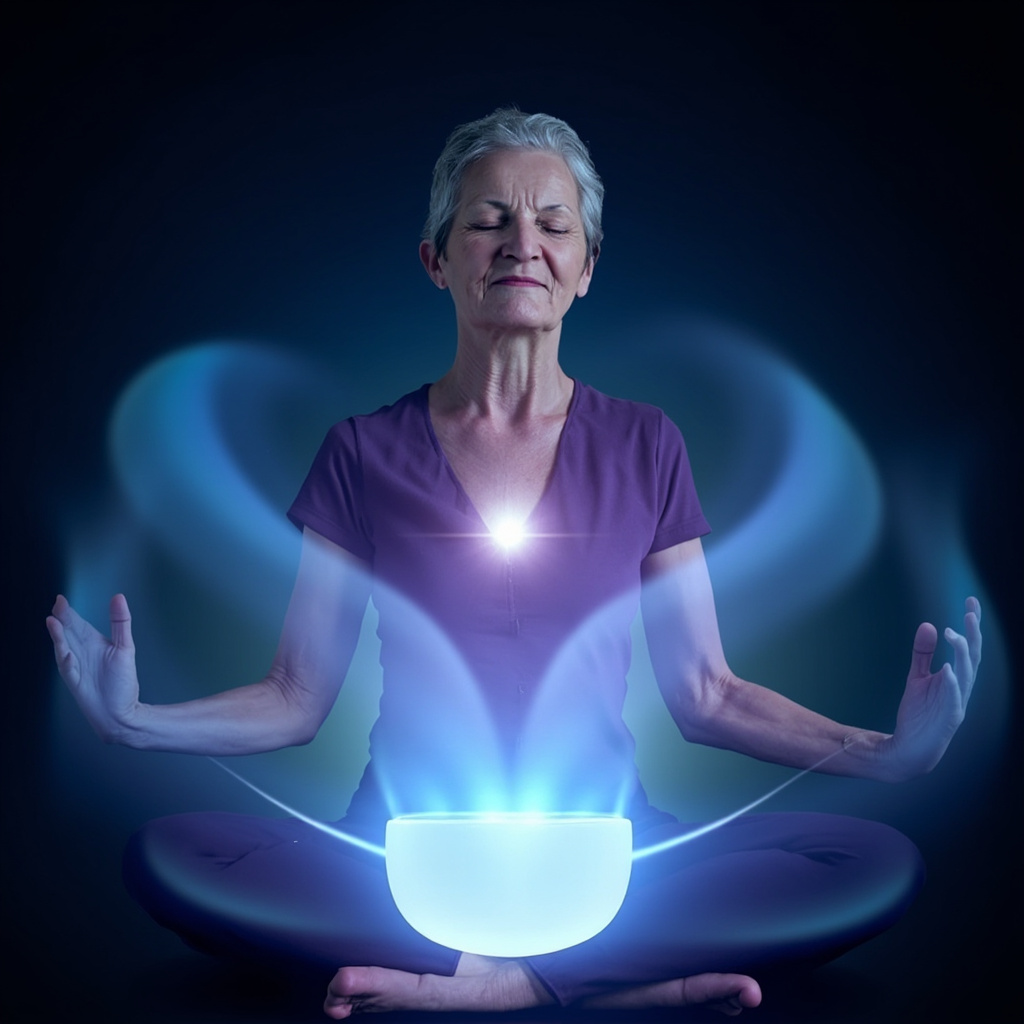
Menopause is a natural phase, yet it often disrupts emotional equilibrium with sudden mood swings. One moment calm, the next irritable or anxious-these shifts can strain relationships, work, and self-confidence. As a psychologist focused on emotional health, I help women understand these changes through physiological signals like stress biomarkers and heart rate variability (HRV).
Recognizing the Signs
Common experiences include:
- Irritability: Small frustrations spark big reactions.
- Anxiety: Worry loops or restlessness without clear cause.
- Emotional instability: Tears, anger, or numbness alternate rapidly.
- Insomnia: Nighttime rumination prevents rest, worsening daytime moods.
These stem from declining estrogen, which influences brain areas for mood regulation. Fluctuations disrupt serotonin and other chemicals, heightening sensitivity to stress. Poor sleep from hot flashes compounds this, lowering resilience.
The Body-Mind Connection
Your body reflects emotional state. HRV, the variation in heartbeat intervals, drops during stress, signaling fight-or-flight dominance. High agitation biomarkers show overactive sympathetic nerves, blocking relaxation. In menopause, these patterns intensify, creating a cycle: stress raises hormones like cortisol, which deepen mood dips.
Tracking these offers objective insight. Trends reveal progress from interventions, empowering measurable healing.
Insights from Ancient Wisdom
Traditional Chinese Medicine views mood swings as blocked energy flow (Qi). Key areas include:
- Hands and chest for circulating vital energy.
- Face for easing tension.
- Lower abdomen for grounding stability.
Gentle stimulation here-via acupuncture or equivalents-tonifies energy, calms nerves, and reduces anxiety. Studies confirm benefits: women report less irritability and better sleep after targeted sessions.
Modern Support with Sound and Resonance
Recent research highlights music and harmonic tones for menopause relief. A clinical trial showed daily listening cut symptoms like hot flushes and moods by regulating the autonomic nervous system. Sustained tones from instruments encourage deep breathing, shifting from stress to calm.
Sound frequencies target similar pathways, promoting parasympathetic activation-your rest-and-repair mode. Combined with breathwork, they lower HRV stress markers effectively.
Practical Steps for Balance
Start small for lasting change:
- Daily breathing: Inhale for 4 counts, exhale for 6. Focus on chest and abdomen.
- Guided relaxation: Visualize energy flowing smoothly through body points.
- Journaling: Note mood triggers and grateful moments to rewire thoughts.
- Movement: Gentle walks boost endorphins without overwhelm.
- Sleep hygiene: Dim lights early; try resonant sounds pre-bed.
Support relaxation practices like mindfulness to improve emotional regulation. Cognitive techniques address thought patterns fueling swings.
Building Long-Term Resilience
Healing takes time, but consistency pays off. Monitor agitation and focus shifts; improved HRV signals growing strength. Many women reclaim joy, feeling more centered post-menopause.
You're not alone-share experiences below. Emotional balance awaits with compassionate steps.
- 1. raveco.com
- 2. adaa.org
- 3. youtube.com
- 4. thegroveclinic.com.au
- 5. fepblue.org
- 6. acog.org
- 7. drrosieross.com
- 8. rainbowsounds.co
- 9. albanacupuncture.com
- 10. webmd.com
- 11. pmc.ncbi.nlm.nih.gov
- 12. pmc.ncbi.nlm.nih.gov
- 13. tandfonline.com
- 14. primehc.com
- 15. voguearabia.com
- 16. bmjopen.bmj.com
- 17. westsidewomenshealth.com
- 18. pmc.ncbi.nlm.nih.gov
- 19. pmc.ncbi.nlm.nih.gov
- 20. sciencedirect.com
- 21. letstalkmenopause.org
- 22. med.stanford.edu
- 23. facebook.com
- 24. theflowspace.com
- 25. nz.news.yahoo.com
- 26. evolvebeauty.com
- 27. facebook.com
- 28. mannaplus.co.za
- 29. facebook.com
- 30. instagram.com
- 31. magazine.hms.harvard.edu
- 32. youtube.com
- 33. nytimes.com
- 34. facebook.com
- 35. youtube.com
- 36. facebook.com
- 37. facebook.com
- 38. instagram.com
- 39. avogel.co.za
- 40. instagram.com
Related posts
Glossary
- Energy and mind Structures > Focused Coherence; Focus
- Energy and mind Structures > Regulation
- Body zones > hormones
- Body zones > nerves
- Body zones > parasympathetic
- Body zones > tears
- Body zones > chest
- Body zones > face
- TCM Recipes > Emotional Balance: A TCM Guide to Calm Anxiety & Insomnia
- TCM Recipes > Menopausal Mood Relief: Soothing Emotional Ups and Downs
- TCM Recipes > Brain Boost: Clear Fog, Improve Focus & Memory
- Energy and mind Structures > sleep
- Energy and mind Structures > equilibrium
- Energy and mind Structures > Stress
- Stimuli > Cortisol
- Stimuli > Serotonin
- Stimuli > Moon - Nasal Passage, Breathing, Taste
- Binaural beats > Nervous System: A Program for Emotional Balance and Relaxation
see also...
- Energy and mind Structures > HRV
- Energy and mind Structures > Body zones > thoracic
- Energy and mind Structures > TCM Recipes > Boost Energy: A Simple Remedy for Low Energy and Fatigue
- Testimonials > 61% Drop in Nausea and 58% in Headaches from Sound Therapy
- Binaural beats > Stimuli > Moon - Nasal Passage, Breathing, Taste
- Binaural beats > Transmutation: A Sound Journey for Personal Change