


Chronic Hives: Emotional Stress Link
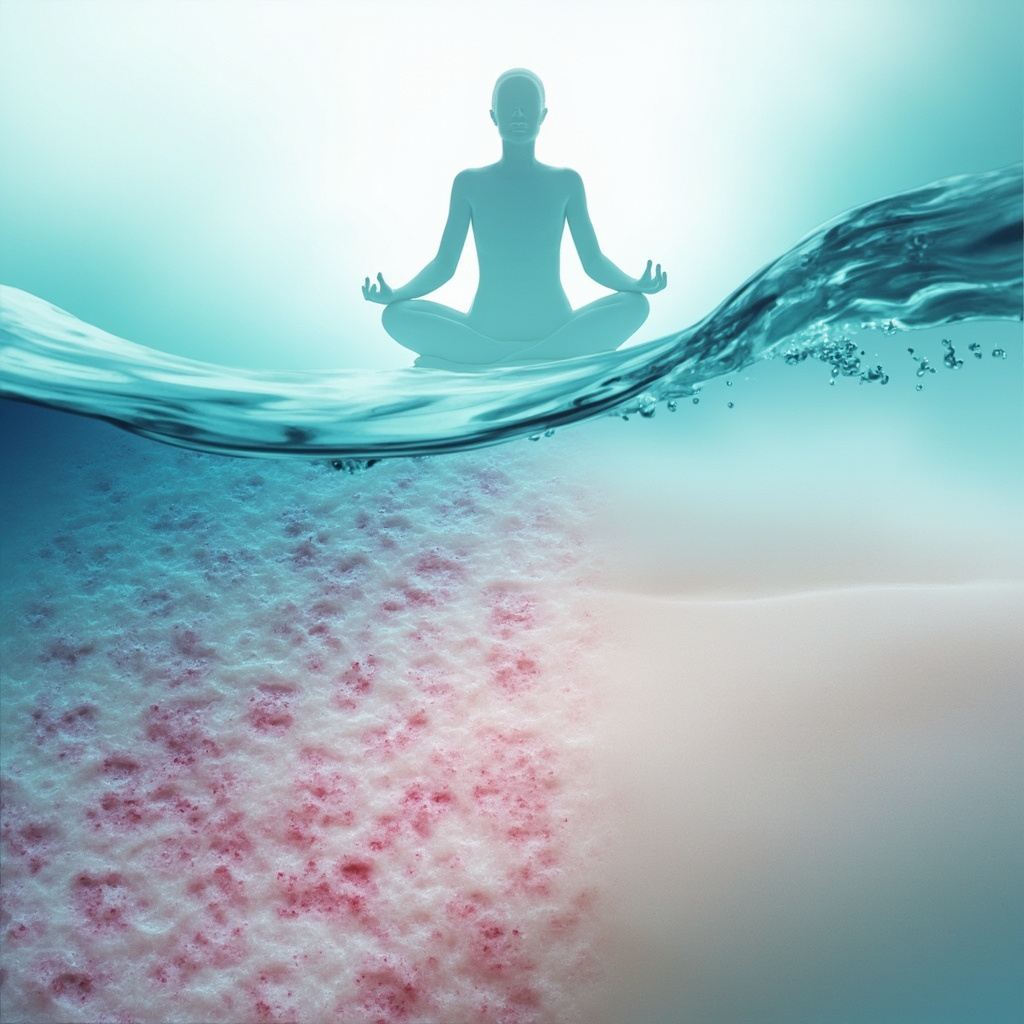
Chronic hives, known as chronic urticaria, bring sudden red, itchy welts on the skin. These bumps can appear anywhere and last for weeks or months. They itch intensely, especially at night, making sleep hard and daily life challenging. Many people feel frustrated by their unpredictability.
Understanding the Stress Connection
Stress plays a big role in chronic hives. When you feel anxious or overwhelmed, your body pumps out chemicals like histamine. These inflame the skin, sparking new welts. Body temperature rises under stress, which can trigger flares for some. The itching then ramps up worry, creating a vicious cycle.
Research backs this up. People with chronic hives face higher chances of anxiety, depression, and sleep troubles. One study found odds of anxiety over three times higher, with similar risks for depression and insomnia. Over half report major hits to quality of life-avoiding social plans, feeling embarrassed by visible bumps, or struggling at work.
Emotional factors deepen the issue. Suppressed anger, ongoing worry, or tough life events often link to flare-ups. Poor sleep from itching leads to fatigue, irritability, and low mood. Isolation grows as people hide their skin, cutting off support.
A Deeper Look: Emotional Patterns in the Body
In body scans, specific patterns emerge when emotions fuel skin issues. Chronic Urticaria Emotional 10 is one such pattern. It shows imbalances in key areas: bladder regulation for overall calm, head and skin soothing, facial comfort, digestive harmony, and shoulder areas where tension blocks energy flow.
This pattern fits recurrent hives, stubborn itching, and stress-triggered episodes. It highlights how emotional upset ripples through the body, affecting skin directly.
Why Addressing Emotions Helps
Treating hives alone often falls short. Calming the mind breaks the cycle. When stress drops, flares ease. Better sleep restores energy, boosting mood and resilience.
Heart rate variability (HRV), a simple stress marker, guides progress. Steady HRV signals strong emotional regulation-fewer hives follow.
Everyday Strategies for Balance
Here are clear steps to soothe skin and emotions:
-
Build sleep habits: Keep a cool, dark room. Wind down with reading, not screens. If meds disrupt rest, talk to your doctor.
-
Ease stress daily: Practice deep breathing-inhale for four counts, hold four, exhale four. Short walks lower tension.
-
Mindful moments: Sit quietly, notice your breath. Scan your body for tight spots, especially shoulders or face. Let go of racing thoughts.
-
Connect with others: Share your story in support groups. Feeling understood lifts isolation.
-
Track patterns: Note flares after stressful days. Journal emotions to spot triggers.
-
Professional guidance: Therapists using mind-body tools like cognitive techniques help rewire stress responses.
These build resilience over time. Many see clearer skin and steadier moods.
Towards Healing and Self-Growth
Chronic hives reveal deeper needs. Chronic Urticaria Emotional 10 offers a window into emotional roots. By nurturing inner calm, you heal skin from within.
Imagine waking itch-free, confident in your body. This path fosters self-awareness and strength. Small daily shifts lead to lasting change, blending emotional health with physical ease.
- 1. link.springer.com
- 2. pmc.ncbi.nlm.nih.gov
- 3. pmc.ncbi.nlm.nih.gov
- 4. ajmc.com
- 5. pmc.ncbi.nlm.nih.gov
- 6. pmc.ncbi.nlm.nih.gov
- 7. pmc.ncbi.nlm.nih.gov
- 8. healthline.com
- 9. clinicaltherapeutics.com
- 10. instagram.com
- 11. sciencedirect.com
- 12. pmc.ncbi.nlm.nih.gov
- 13. instagram.com
- 14. pmc.ncbi.nlm.nih.gov
- 15. allergyasthmanetwork.org
- 16. dermatologytimes.com
- 17. pubmed.ncbi.nlm.nih.gov
- 18. worldallergyorganizationjournal.org
- 19. mdpi.com
- 20. health.clevelandclinic.org
- 21. aad.org
- 22. youtube.com
- 23. healthcentral.com
- 24. pmc.ncbi.nlm.nih.gov
- 25. sciencedirect.com
- 26. pmc.ncbi.nlm.nih.gov
- 27. pmc.ncbi.nlm.nih.gov
- 28. aai-c.com
- 29. my.clevelandclinic.org
- 30. facebook.com
- 31. pubmed.ncbi.nlm.nih.gov
- 32. youtube.com
- 33. siloamhospitals.com
Related posts
Glossary
- Energy and mind Structures > Regulation
- Body zones > head
- Body zones > face
- TCM Recipes > Chronic Urticaria: Emotional Stress and Itching Relief
- TCM Recipes > Skin Health: Remedies for Acne and Eczema
- TCM Recipes > Digestive Relief: A Simple Guide to Ease Bloating & Indigestion
- TCM Recipes > Herbal Relief: A TCM Approach to Lift Your Mood
- TCM Recipes > Boost Your Energy: A TCM Recipe for Fatigue Relief
- Energy and mind Structures > sleep
- Energy and mind Structures > Stress
- Binaural beats > Allergy Relief: Binaural Beats for Immune Balance
- Stimuli > Bladder
- Stimuli > Hives
- Stimuli > Lead
- Stimuli > Harmony
see also...
- Energy and mind Structures > HRV
- Energy and mind Structures > Body zones > thoracic
- Energy and mind Structures > TCM Recipes > Tension Headache Relief: A Natural Approach to Ease Stress
- Testimonials > 61% Drop in Nausea and 58% in Headaches from Sound Therapy
- Binaural beats > Allergy Relief: Binaural Beats for Immune Balance
- Binaural beats > Stimuli > Sacral, Zinc Etc