


Calm the Mind: Biomarker for Serenity
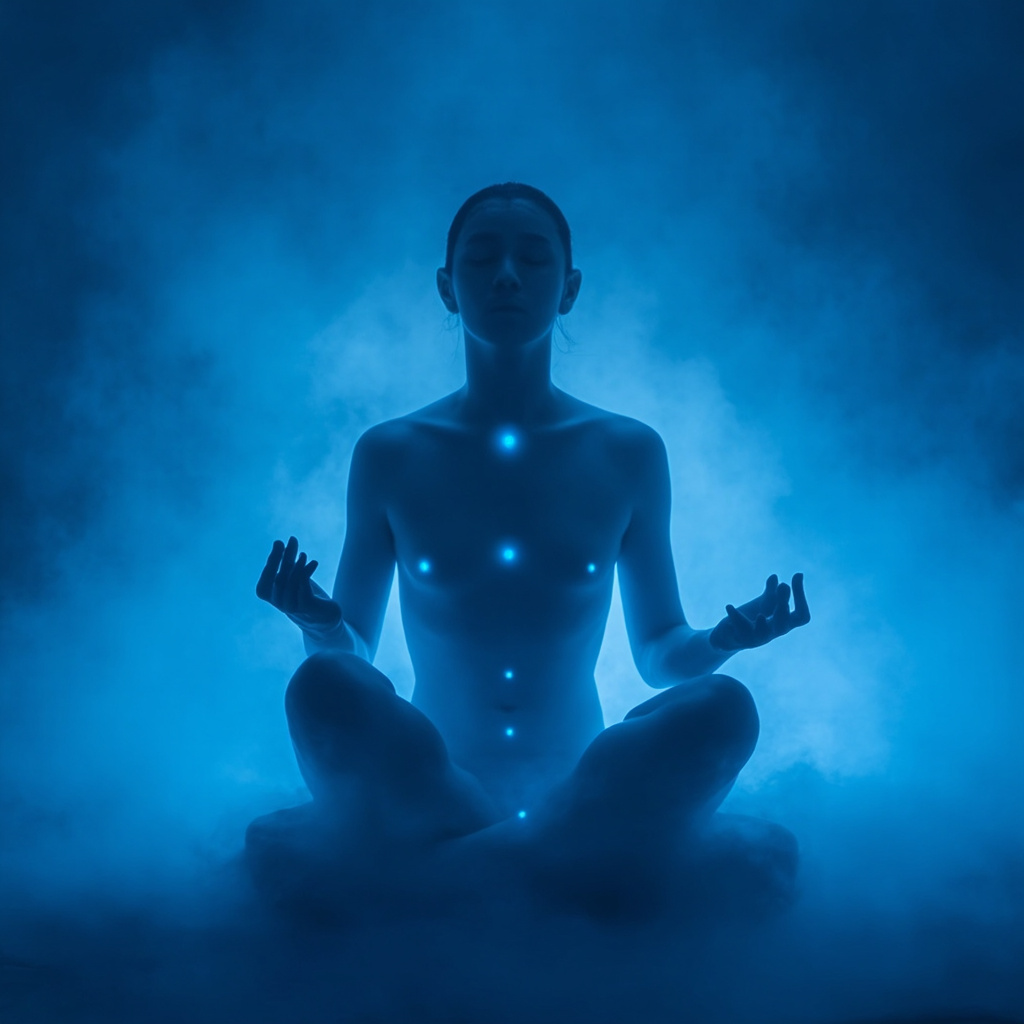
Discovering Calm the Mind
Your mind races with worries, sleep evades you, or stress tightens your chest. These are common signs that your inner calm needs attention. The Calm the Mind biomarker offers a window into this state. It measures the harmony in specific body areas linked to mental peace, detected through your body's natural electrical signals during a simple recording.
This biomarker reflects energy flow, agitation levels, and emotional qualities in regions known for settling the spirit. When balanced, it supports clear thinking, steady moods, and restful nights. As a psychologist focused on emotional health, I see it as a bridge between body signals and mind states, much like heart rate variability (HRV) reveals stress resilience.
Ancient Points Meet Modern Insight
Calm the Mind centers on three well-known body points from traditional practices:
- HT7 (Shenmen or Spirit Gate): On the wrist, this point quiets the mind, eases anxiety, and promotes sleep. Studies show it boosts calming brain waves and reduces stress responses.
- PC7 (Daling): Nearby on the wrist, it protects the heart's spirit, relieving chest tension and emotional unrest.
- GB20 (Fengchi): At the base of the skull, it clears head fog, soothes neck tension, and opens pathways for mental clarity.
Together, they form a recipe for relaxation, targeting symptoms like insomnia and restlessness. Traditional wisdom has used them for centuries; now, biomarker analysis makes their effects measurable.
Why Balance Matters for Emotional Health
Imbalanced Calm the Mind signals show up as:
- Persistent anxiety or racing thoughts
- Trouble falling or staying asleep
- Heightened stress that affects daily focus
- Emotional ups and downs, like irritability
These tie directly to HRV, a key measure of how well your nervous system handles stress. Low HRV often pairs with poor emotional regulation, making small challenges feel overwhelming. Tracking this biomarker helps spot patterns early, guiding steps toward resilience.
Research backs this: Stimulating HT7 alone improves sleep in stressed individuals and modulates brain activity for less agitation. Combined approaches enhance parasympathetic activity-the body's rest-and-restore mode-lowering cortisol and fostering serenity.
Signs Your Calm Needs Tuning
Listen to your body:
- Physical cues: Tight wrists, neck stiffness, or restless limbs
- Mental hints: Overthinking, worry loops, or mental fog
- Emotional flags: Irritability, low mood, or feeling ungrounded
- Sleep patterns: Waking frequently or light, interrupted rest
If these resonate, your Calm the Mind biomarker may highlight priorities for attention.
Supporting Your Inner Calm
Balance comes through targeted resonance frequencies drawn from these points, used in audio sessions or gentle currents. These match the body's natural rhythms to settle agitation and build harmony.
As a psychologist, I recommend pairing this with:
- Breathing exercises: Slow inhales (4 counts) and longer exhales to activate calm nerves
- Mindful pauses: Notice thoughts without judgment, redirecting to the present
- Daily reflection: Journal three gratitudes to shift from stress to peace
Over time, trends in your biomarker show progress-higher calm levels mean better HRV, steadier emotions, and renewed energy.
Embrace Steady Serenity
Calm the Mind is more than a measure; it's a path to emotional strength. By honoring these body signals, you reclaim control over stress and sleep. Start tuning in today for a clearer, more balanced you. Your mind deserves this peace.
- 1. tandfonline.com
- 2. geneonline.com
- 3. clinicaltrials.gov
- 4. nature.com
- 5. sciencedirect.com
- 6. facebook.com
- 7. pmc.ncbi.nlm.nih.gov
- 8. pubmed.ncbi.nlm.nih.gov
- 9. balancecharleston.com
- 10. youtube.com
- 11. open.spotify.com
- 12. pmc.ncbi.nlm.nih.gov
- 13. mdpi.com
- 14. neurofeedback.scot
- 15. resilienttherapies.com
- 16. sa1s3.patientpop.com
- 17. youtube.com
- 18. bbc.com
- 19. youtube.com
- 20. frontiersin.org
- 21. youtube.com
- 22. facebook.com
- 23. youtube.com
- 24. pmc.ncbi.nlm.nih.gov
- 25. pubmed.ncbi.nlm.nih.gov
- 26. mindfulfamilymedicine.com
- 27. acubody.net
- 28. pmc.ncbi.nlm.nih.gov
- 29. mghpsychnews.org
- 30. bioresonance.org
- 31. healthcmi.com
- 32. commonfund.nih.gov
- 33. bluewellth.com
- 34. facebook.com
- 35. instagram.com
- 36. medicalxpress.com
- 37. cedars-sinai.org
- 38. facebook.com
- 39. morningsideacupuncturenyc.com
- 40. facebook.com
- 41. taichi-wellness.com
- 42. atm.amegroups.org
- 43. clinicaltrials.gov
- 44. clinicaltrials.gov
- 45. medrxiv.org
- 46. neuro.jmir.org
- 47. pmc.ncbi.nlm.nih.gov
- 48. azvalleyacu.com
- 49. mdpi.com
- 50. researchgate.net
- 51. facebook.com
- 52. facebook.com
- 53. stramcenter.com
- 54. youtube.com
- 55. itmonline.org
- 56. yina.co
- 57. phhp.ufl.edu
- 58. link.springer.com
Related posts
Glossary
- Energy and mind Structures > Regulation
- Energy and mind Structures > Mental
- Energy and mind Structures > Peace
- Body zones > head
- Body zones > parasympathetic
- Body zones > chest
- TCM Recipes > Calm the Mind: A Remedy for Anxiety and Insomnia
- TCM Recipes > Brain Boost: Clear Fog, Improve Focus & Memory
- Energy and mind Structures > sleep
- Energy and mind Structures > Stress
- Stimuli > Cortisol
- Binaural beats > Nervous System: A Program for Emotional Balance and Relaxation
- Stimuli > Harmony
see also...
- Energy and mind Structures > HRV
- Energy and mind Structures > Body zones > substantia nigra
- Energy and mind Structures > TCM Recipes > Boost Energy: A Simple Remedy for Low Energy and Fatigue
- Testimonials > 61% Drop in Nausea and 58% in Headaches from Sound Therapy
- Binaural beats > Stimuli > Sacral, Zinc Etc
- Binaural beats > Transmutation: A Sound Journey for Personal Change