


Sadhaka: Clarity for Nerves and Senses
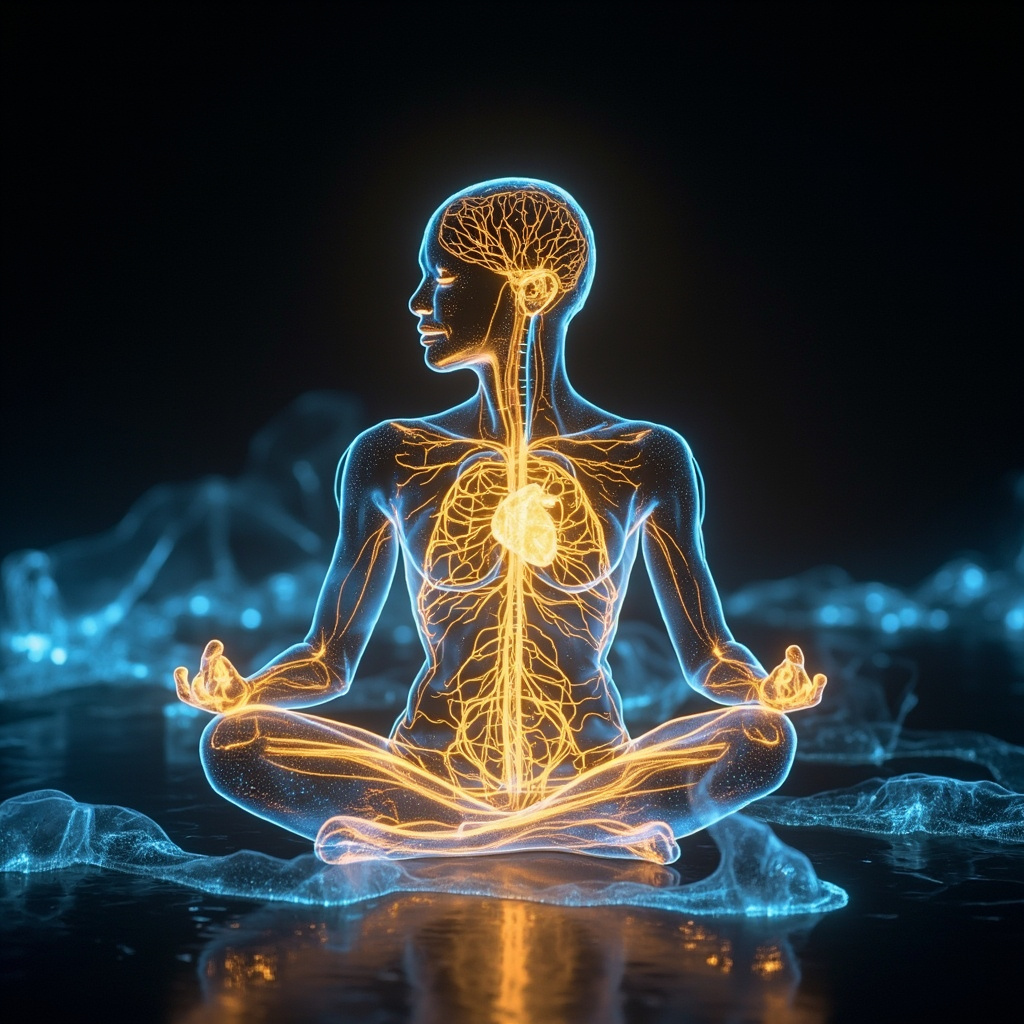
In ancient Ayurveda, Sadhaka stands out as a key player in how we think, feel, and perceive the world. This subtle energy, part of the Pitta dosha, resides mainly in the heart and brain. It works through the nervous system to process emotions and sensory inputs, turning raw experiences into clear understanding. For more details, see the glossary entry.
The Nervous System Under Sadhaka's Guidance
Sadhaka oversees the nervous system, acting like a conductor for signals between body and mind. It helps regulate neurotransmitters-chemical messengers like dopamine and serotonin-that influence mood and motivation. Modern science echoes this: the heart has its own neural network, often called the "heart brain," which communicates with the head brain via nerves and hormones. This heart-mind link supports quick thinking and adaptive responses to stress.
When balanced, Sadhaka ensures smooth nerve function, promoting resilience. It ties into heart rate variability (HRV), a simple measure of nervous system flexibility. Higher HRV signals better emotional regulation, as the parasympathetic nerves-the "rest and digest" side-dominate over fight-or-flight reactions.
Senses Sharpened by Sadhaka
Our senses-sight, hearing, touch, taste, and smell-are gateways to reality. Sadhaka helps filter and interpret these inputs, distinguishing truth from illusion. It enhances sensory processing, so you perceive the world with precision rather than overwhelm.
Imbalanced Sadhaka can lead to sensory overload: heightened sensitivity, foggy perception, or emotional reactivity to sights and sounds. Balancing it restores calm discernment, much like tuning an instrument for clear notes.
Mental Clarity and Focus
One of Sadhaka's gifts is mental clarity. It fuels concentration, memory, and decision-making. Think of it as the inner spark for creativity and problem-solving. In my work as a psychologist, I see clients with low focus often show patterns in stress biomarkers linked to nervous system strain.
Practices like deep breathing or mindfulness activate this clarity. They boost HRV, signaling Sadhaka's harmony, and lead to sharper cognition.
- Better memory retention
- Quick learning
- Steady enthusiasm
Emotional Well-Being and Stress Resilience
Sadhaka is central to emotional regulation. It processes feelings efficiently, preventing grudges or mood swings. Balanced, it brings joy, courage, and contentment. Out of sync, you might feel irritable, anxious, or stuck in negativity.
Stress hits Sadhaka hard, disrupting the nervous system and lowering HRV. Chronic tension raises cortisol, clouding emotions. Yet, supporting Sadhaka rebuilds resilience-studies link balanced neurotransmitters to stable moods.
Sadhaka as a Supportive Force
When strong, Sadhaka acts as a resource, energizing other body systems. It aids organs like the brain and heart, promoting overall vitality. In therapy, tracking related biomarkers helps measure progress toward emotional steadiness.
Signs of Imbalance and Simple Steps Forward
Watch for:
- Mood swings or irritability
- Poor concentration or sensory sensitivity
- Low motivation or insomnia
To nurture Sadhaka:
- Eat cooling foods: greens, sweet fruits, coconut water.
- Practice yoga or meditation daily.
- Prioritize sleep and gentle walks.
- Use relaxation techniques to lift HRV.
By honoring Sadhaka, you unlock clearer senses, calmer nerves, and a balanced mind. This path integrates body signals with emotional health for true well-being.
- 1. clinicaltrials.gov
- 2. open.spotify.com
- 3. ijnrd.org
- 4. facebook.com
- 5. facebook.com
- 6. innsightful.com
- 7. pmc.ncbi.nlm.nih.gov
- 8. instagram.com
- 9. instagram.com
- 10. nature.com
- 11. researchgate.net
- 12. youtube.com
- 13. instagram.com
- 14. amazon.com
- 15. facebook.com
- 16. artoflivingretreatcenter.org
- 17. holisticmedicinedevice.com
- 18. theayurvedicclinic.com
- 19. emotionandpsychopathology.org
- 20. tandfonline.com
- 21. ask-ayurveda.com
- 22. wjpr.s3.ap-south-1.amazonaws.com
- 23. indica.today
- 24. nature.com
- 25. surya-world.org
- 26. frontiersin.org
- 27. pmc.ncbi.nlm.nih.gov
- 28. lifespa.com
- 29. vogue.com
- 30. researchgate.net
- 31. ayurindus.com
- 32. sciencedirect.com
- 33. banyanbotanicals.com
- 34. journals.lww.com
- 35. ayurvaid.com
- 36. pmc.ncbi.nlm.nih.gov
- 37. jaims.in
Related posts
Glossary
- Energy and mind Structures > Focused Coherence; Focus
- Energy and mind Structures > Regulation
- Energy and mind Structures > Mental
- Energy and mind Structures > Water
- Energy and mind Structures > Truth
- Energy and mind Structures > Memory
- Energy and mind Structures > Concentration
- Energy and mind Structures > Courage
- Body zones > head
- Body zones > hormones
- Body zones > nerves
- Body zones > neurotransmitters
- Body zones > parasympathetic
- Body zones > senses
- Energy and mind Structures > Organs
- Energy and mind Structures > Pitta
- TCM Recipes > Heart Health: Remedies for Anxiety and Palpitations
- TCM Recipes > Brain Boost: Clear Fog, Improve Focus & Memory
- Energy and mind Structures > sleep
- Energy and mind Structures > vitality
- Energy and mind Structures > Head, perception
- Energy and mind Structures > Bodhaka; Taste
- Energy and mind Structures > Sadhaka; Nervous system, senses
- Energy and mind Structures > Theta; 4.31-6.97 Hz. Light sleep, meditation.
- Energy and mind Structures > Stress
- Stimuli > Cortisol
- Stimuli > Moon - Nasal Passage, Breathing, Taste
- Stimuli > AIDS
- Binaural beats > Nervous System: A Program for Emotional Balance and Relaxation
- Stimuli > Lead
- Stimuli > Harmony
see also...
- Energy and mind Structures > HRV
- Energy and mind Structures > Body zones > senses
- Energy and mind Structures > TCM Recipes > Boost Energy: A Simple Remedy for Low Energy and Fatigue
- Testimonials > 61% Drop in Nausea and 58% in Headaches from Sound Therapy
- Binaural beats > Stimuli > Sacral, Zinc Etc
- Binaural beats > Transmutation: A Sound Journey for Personal Change