


Sympathetic System: Your Resilience Engine
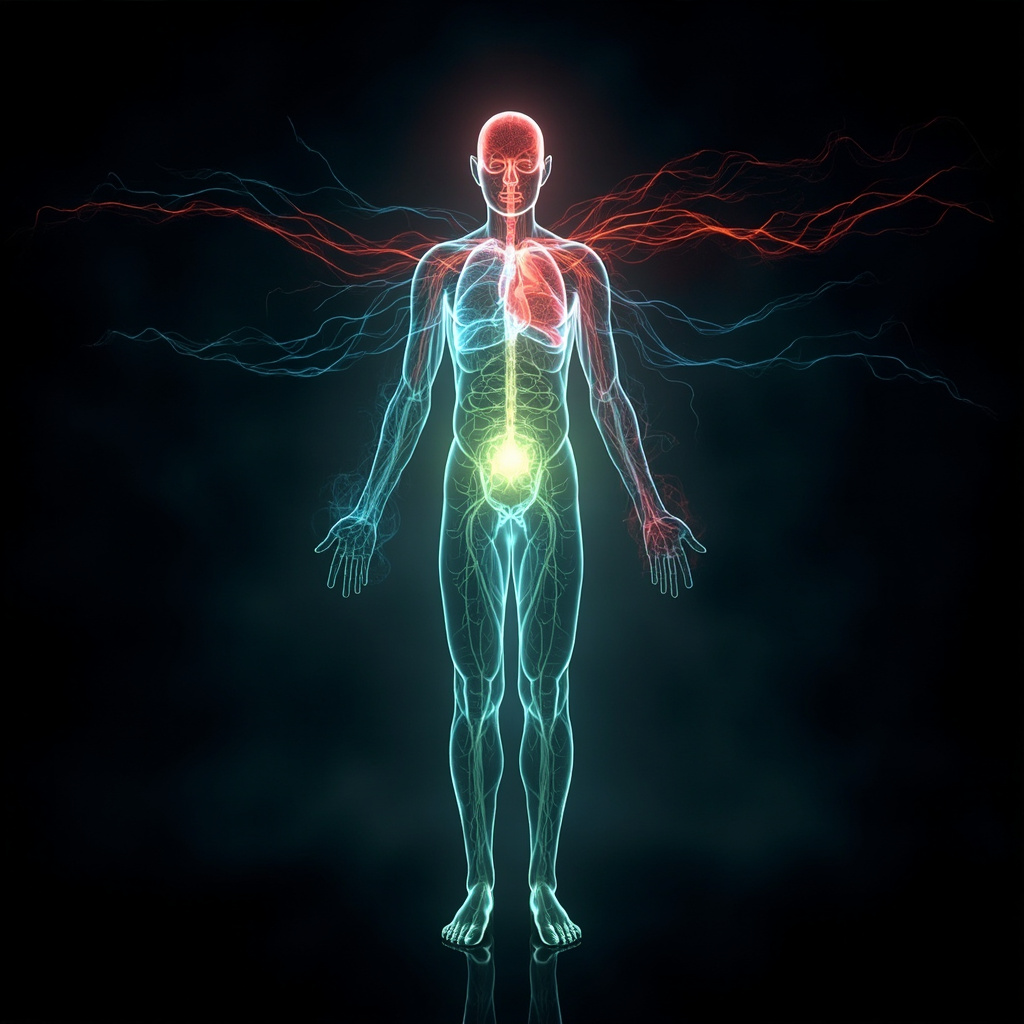
The Sympathetic Nervous System at Work
Your body has two main control systems for handling stress: one for action and one for rest. The sympathetic nervous system is the action side. It kicks in during moments of pressure, like a tight deadline or a sudden scare. Heart rate speeds up, blood flows to muscles, and senses sharpen. This fight-or-flight response helps you meet demands head-on.
But it's more than just emergencies. In daily life, it supports quick thinking and physical effort, from workouts to tough conversations.
Why Balance Matters
When overactive, it leads to constant tension: racing thoughts, tight muscles, poor sleep. Chronic activation wears you down, raising risks for anxiety or fatigue. Balance means activating it when needed, then easing off.
As a resource, the sympathetic system improves blood flow to key organs, directs energy smartly, and maintains your body's steady state. It builds resilience, helping you bounce back from setbacks stronger.
Ties to Emotional Health
Emotions and this system are linked. Stress or worry ramps it up, creating a loop of agitation. Low variety in your heartbeat-called heart rate variability (HRV)-signals poor flexibility here. HRV measures beat-to-beat changes; higher means better switch between action and calm modes.
Psychologists use HRV to track emotional regulation. Steady progress shows calmer responses to triggers. For trauma or ongoing stress, patterns reveal where support is needed.
Insights from Biomarkers
Electrical signals from your body reveal this system's energy and activity levels. High agitation might point to unresolved tension; balanced levels support focus and poise.
Grounding Techniques for Regulation
Build awareness with simple steps:
- Deep breathing: Slow inhales and exhales sync heart and breath, boosting HRV.
- Body scans: Notice tension spots, soften them gently.
- Short walks: Nature shifts you from high alert.
- Mindful pauses: Before reacting, breathe and assess.
These foster self-regulation, turning reactivity into choice.
Promising Research on Balance
A recent trial at Murdoch University tested HRV biofeedback on people with PTSD and chronic pain. Using a heart sensor and app, participants learned to match breathing with heart rhythms over six weeks.
Results: PTSD symptoms dropped 24%, pain interference fell nearly 25%. The waitlist group saw no change. This shows calming the nervous system-balancing sympathetic drive-eases mental and physical strain.
Such tools highlight measurable paths to well-being, aligning body signals with emotional calm.
Building Lasting Resilience
Track your responses. Notice when action mode helps versus hinders. Pair it with rest practices for full balance.
Over time, this system becomes an ally, fueling vitality without exhaustion. Emotional health thrives on this harmony.
- 1. hackensackmeridianhealth.org
- 2. youtube.com
- 3. sciencedirect.com
- 4. researchgate.net
- 5. swlstg.nhs.uk
- 6. cnbc.com
- 7. ncbi.nlm.nih.gov
- 8. hubermanlab.com
- 9. dgnews.docguide.com
- 10. mendi.io
- 11. mdpi.com
- 12. ncbi.nlm.nih.gov
- 13. journals.sagepub.com
- 14. pmc.ncbi.nlm.nih.gov
- 15. murdoch.edu.au
- 16. researchgate.net
- 17. bswhealth.com
- 18. sciencedirect.com
- 19. neurodivergentinsights.com
- 20. pmc.ncbi.nlm.nih.gov
- 21. vogue.com
- 22. youtube.com
- 23. calm.com
- 24. frontiersin.org
- 25. firststepschiropractic.com
- 26. think.taylorandfrancis.com
- 27. medicalxpress.com
- 28. anzctr.org.au
- 29. researchportal.murdoch.edu.au
- 30. pmc.ncbi.nlm.nih.gov
- 31. facebook.com
- 32. sciencedirect.com
- 33. pubmed.ncbi.nlm.nih.gov
- 34. artofliving.org
- 35. nature.com
- 36. eurekalert.org
- 37. researchportal.murdoch.edu.au
- 38. shdc.com.au
- 39. technologynetworks.com
Related posts
Glossary
- Energy and mind Structures > Focused Coherence; Focus
- Energy and mind Structures > Regulation
- Energy and mind Structures > Mental
- Energy and mind Structures > Exhaustion
- Body zones > muscles
- Body zones > senses
- Energy and mind Structures > Organs
- TCM Recipes > Heart Health: Remedies for Anxiety and Palpitations
- TCM Recipes > Boost Your Energy: A TCM Recipe for Fatigue Relief
- Energy and mind Structures > sleep
- Energy and mind Structures > vitality
- Energy and mind Structures > Stress
- Stimuli > Moon - Nasal Passage, Breathing, Taste
- Stimuli > Pain
- Binaural beats > Trauma Healing: Binaural Beats for Emotional Balance
- Binaural beats > Nervous System: A Program for Emotional Balance and Relaxation
- Stimuli > Harmony
- Stimuli > Blood
see also...
- Energy and mind Structures > HRV
- Energy and mind Structures > Body zones > senses
- Energy and mind Structures > TCM Recipes > Tension Headache Relief: A Natural Approach to Ease Stress
- Testimonials > 61% Drop in Nausea and 58% in Headaches from Sound Therapy
- Binaural beats > Stimuli > Variolinum
- Binaural beats > Transmutation: A Sound Journey for Personal Change