


Orthosympathetic: Balance Your Fight-or-Flight
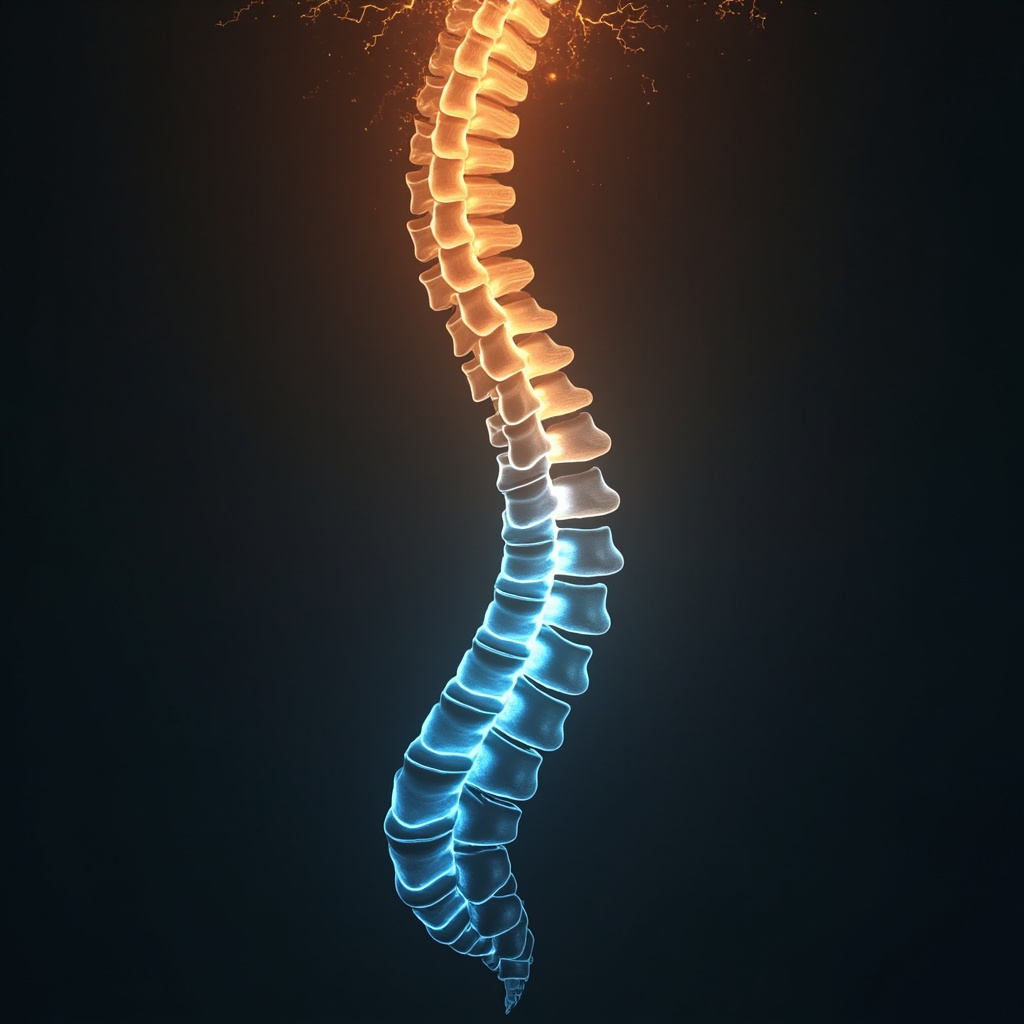
Our bodies are wired for survival. When danger looms, the orthosympathetic nervous system – part of the autonomic nervous system – springs into action. It ramps up your heart rate, sharpens your senses, and sends blood to your muscles. This fight-or-flight response kept our ancestors safe from predators. Today, it activates for traffic jams, deadlines, and daily worries.
Running along your spine from the chest to lower back, this system prepares you for quick reactions. A healthy orthosympathetic ensures you meet challenges with energy and focus. But constant activation without rest leads to exhaustion.
Emotional Links to the Orthosympathetic
Feelings of fear, anger, or overwhelm often signal orthosympathetic dominance. Prolonged stress keeps it in overdrive, linking to anxiety, irritability, and even depression. Unresolved emotional conflicts can trap you in survival mode, where your body stays vigilant.
As a psychologist, I see this in heart rate variability (HRV) patterns. Low HRV often reflects orthosympathetic overactivity, reducing your resilience to stress. It disrupts emotional regulation, making calm harder to find. Building awareness here bridges mind and body for true healing.
Signs of Imbalance
Watch for these common indicators of orthosympathetic overload:
- Rapid heartbeat or palpitations
- Muscle tension, especially in shoulders and jaw
- Shallow, fast breathing
- Cold hands or feet from constricted blood vessels
- Digestive issues like reduced appetite
- Sleep disturbances and constant fatigue
- Heightened anxiety or feeling 'on edge'
These symptoms show your system struggling to downshift. Over time, they raise risks for high blood pressure, weakened immunity, and emotional burnout.
Orthosympathetic as a Resource
When balanced, this system shines as a helper. It boosts energy flow to organs under stress, improves recovery, and supports clear thinking in tough moments. Directing attention to it can optimize your body's response, aiding overall harmony.
In assessments using physiological data, a strong orthosympathetic resource enhances stress adaptation. It ensures vital areas get what they need during emotional distress, promoting resilience.
Restoring Harmony
Balance starts with simple practices. Deep breathing activates the calming parasympathetic counterpart, easing orthosympathetic grip. Mindfulness meditation rewires responses, as shown in studies on short-term training reducing sympathetic activity during tasks.
HRV biofeedback, which I covered in recent posts, trains you to shift from fight-or-flight. Track progress with biomarkers reflecting agitation and energy levels. Grounding techniques, like progressive muscle relaxation, release stored tension.
Sound frequencies and rhythmic breathing offer gentle support. Emerging wellness trends highlight how harmonious vibrations guide the nervous system toward rest. Pair these with self-reflection to address root emotional triggers.
Professionals note patterns in clients: high stress biomarkers alongside low focus. Tailored strategies, from cognitive exercises to relaxation, yield measurable shifts. Over weeks, you see improved mood stability and vitality.
By tuning into your orthosympathetic, you reclaim control. It becomes an ally, not an adversary, fostering emotional clarity and inner strength. Small daily steps build lasting regulation.
- 1. pmc.ncbi.nlm.nih.gov
- 2. iaat.eu
- 3. journals.physiology.org
- 4. psychologytoday.com
- 5. tpcportland.com
- 6. link.springer.com
- 7. nature.com
- 8. altimed.net
- 9. shdc.com.au
- 10. journals.sagepub.com
- 11. sciencedirect.com
- 12. mdpi.com
- 13. pmc.ncbi.nlm.nih.gov
- 14. sanctuarywellnessspa.com
- 15. my.clevelandclinic.org
- 16. instagram.com
- 17. health.harvard.edu
- 18. firststepschiropractic.com
- 19. lnu.diva-portal.org
- 20. myneurobalance.com
- 21. energyofcreation.com
- 22. nature.com
- 23. pmc.ncbi.nlm.nih.gov
- 24. pmc.ncbi.nlm.nih.gov
- 25. apa.org
- 26. doralhw.org
- 27. news.vumc.org
- 28. liebertpub.com
- 29. truelightchiropractic.com
- 30. voguearabia.com
- 31. clinicaltrials.gov
Related posts
Glossary
- Energy and mind Structures > Focused Coherence; Focus
- Energy and mind Structures > Regulation
- Energy and mind Structures > Wellness
- Energy and mind Structures > Exhaustion
- Energy and mind Structures > Immunity
- Body zones > muscles
- Body zones > orthosympathetic
- Body zones > parasympathetic
- Body zones > senses
- Body zones > chest
- Energy and mind Structures > Organs
- TCM Recipes > Stress Relief for High Blood Pressure: A TCM Approach
- TCM Recipes > Digestive Relief: A Simple Guide to Ease Bloating & Indigestion
- TCM Recipes > Heart Health: Remedies for Anxiety and Palpitations
- TCM Recipes > Muscle Relief: A Simple Guide to Alleviating Tension
- TCM Recipes > Herbal Relief: A TCM Approach to Lift Your Mood
- Energy and mind Structures > sleep
- Energy and mind Structures > vitality
- Energy and mind Structures > blood pressure
- Energy and mind Structures > Theta; 4.31-6.97 Hz. Light sleep, meditation.
- Energy and mind Structures > VLF; Sympathetic activity
- Energy and mind Structures > Stress
- Stimuli > Moon - Nasal Passage, Breathing, Taste
- Binaural beats > Nervous System: A Program for Emotional Balance and Relaxation
- Stimuli > Harmony
- Stimuli > Blood
see also...
- Energy and mind Structures > HRV
- Energy and mind Structures > Body zones > substantia nigra
- Energy and mind Structures > TCM Recipes > Spleen Health: A Simple Recipe for Digestive Strength
- Testimonials > 61% Drop in Nausea and 58% in Headaches from Sound Therapy
- Binaural beats > Stimuli > Variolinum
- Binaural beats > Transmutation: A Sound Journey for Personal Change