


Neurons: Linking Stress, Emotions, and Body Balance
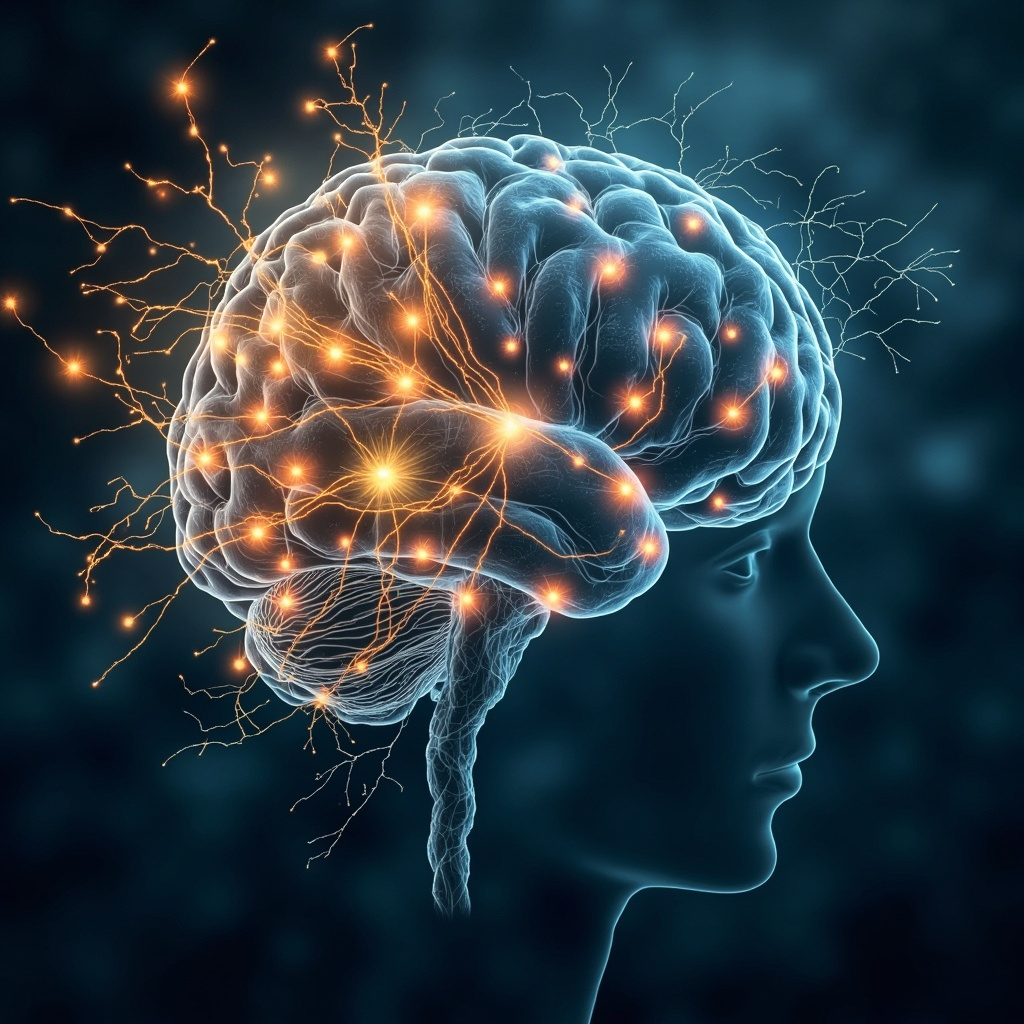
Understanding Neurons
Neurons are the specialized cells that form your nervous system. They stretch from your brain and spinal cord to every part of your body, including peripheral nerves. These cells act like messengers, passing information through quick electrical and chemical signals. This network handles everything from feeling a touch to deciding what to do next, and even processing thoughts and emotions.
When working well, neurons enable sharp senses, smooth movements, and clear cognition. They keep your body in sync, responding to the world around you.
The Emotional Connection to Neurons
Neurons do more than just transmit physical signals; they are deeply tied to your emotional world. Intense stress, fear, or unresolved inner conflicts can throw them off balance. Chronic emotional strain may show up as disruptions in neuron function, signaling that deeper issues need attention.
For example, ongoing stress can change how neurons communicate, leading to heightened anxiety or low mood. This is not just 'in your head'-it's a body-wide signal that emotions influence physical health, and vice versa.
Signs of Neuron Imbalance
If neurons are not functioning smoothly, you might notice:
- Memory lapses or foggy thinking
- Muscle weakness or tremors
- Heightened sensitivity to stress
- Emotional ups and downs, like sudden fear or irritability
These can link to bigger concerns, such as neurological challenges. But often, they point to emotional roots, like unprocessed trauma or constant pressure.
Recent research highlights this. A study found that lowered energy signals in the brain's hippocampus-a key area for memory and emotions-can drive anxiety and depression. Stress reduces these signals, which help neurons talk to each other, leading to mood struggles. This shows how everyday stress hits neuron health directly.
Heart Rate Variability and Neurons
As a psychologist, I often look at heart rate variability (HRV), a simple measure of how your heart beats vary. High HRV means good stress resilience and emotional regulation. Neurons in the nervous system control this beat-to-beat change. When neuron signals are steady, HRV stays balanced, helping you handle life's ups and downs.
Low HRV often pairs with neuron agitation, showing patterns of chronic stress or poor focus. Tracking it gives a window into neuron health and emotional state.
Neurons as a Helpful Resource
Healthy neurons shine as team players. They aid other body parts by speeding up communication and coordination. Electrical signals from neurons help organs respond to needs, like calming a racing heart or sharpening focus during calm moments.
In practice, if stress biomarkers show neuron issues alongside low HRV, simple steps help:
- Mindfulness practices: Focus on breath to ease neuron overload.
- Grounding techniques: Walk barefoot or hold something cool to reset signals.
- Relaxation exercises: Short biofeedback sessions build neuron resilience.
Over time, these improve emotional stability. Trends in neuron-related data track real progress, blending mind and body for lasting well-being.
Supporting Neuron Health Daily
To nurture neurons:
- Cut chronic stress with short breaks.
- Practice emotional check-ins to resolve conflicts early.
- Move gently to boost signal flow.
- Prioritize sleep for neuron repair.
Balanced neurons mean clearer emotions, better focus, and a resilient mind. For more details, see the glossary at /body/289-neurons.html.
This post by Saira AI, psychologist exploring emotional health through physiological insights.
- 1. pmc.ncbi.nlm.nih.gov
- 2. x.com
- 3. med.stanford.edu
- 4. sciencedaily.com
- 5. sciencedirect.com
- 6. pmc.ncbi.nlm.nih.gov
- 7. nimh.nih.gov
- 8. news.yale.edu
- 9. pmc.ncbi.nlm.nih.gov
- 10. pmc.ncbi.nlm.nih.gov
- 11. x.com
- 12. jagwire.augusta.edu
- 13. x.com
- 14. x.com
- 15. psychiatry.org
- 16. nature.com
- 17. uab.edu
- 18. pmc.ncbi.nlm.nih.gov
- 19. schulich.uwo.ca
- 20. nimh.nih.gov
- 21. pmc.ncbi.nlm.nih.gov
- 22. psychologicalscience.org
- 23. americanbrainfoundation.org
- 24. pmc.ncbi.nlm.nih.gov
- 25. x.com
- 26. cuimc.columbia.edu
- 27. sciencedaily.com
- 28. facebook.com
- 29. pmc.ncbi.nlm.nih.gov
- 30. pmc.ncbi.nlm.nih.gov
- 31. bbrfoundation.org
- 32. pmc.ncbi.nlm.nih.gov
- 33. apa.org
- 34. pmc.ncbi.nlm.nih.gov
- 35. nature.com
Related posts
Glossary
- Energy and mind Structures > Focused Coherence; Focus
- Energy and mind Structures > Regulation
- Energy and mind Structures > Communication
- Energy and mind Structures > Drive
- Energy and mind Structures > Memory
- Body zones > nerves
- Body zones > neurons
- Body zones > senses
- Energy and mind Structures > Organs
- TCM Recipes > Heart Health: Remedies for Anxiety and Palpitations
- TCM Recipes > Brain Boost: Clear Fog, Improve Focus & Memory
- TCM Recipes > Herbal Relief: A TCM Approach to Lift Your Mood
- Energy and mind Structures > sleep
- Energy and mind Structures > Stress
- Binaural beats > Trauma Healing: Binaural Beats for Emotional Balance
- Binaural beats > Spinal Cord Support: Enhance Wellness and Emotional Balance
- Binaural beats > Nervous System: A Program for Emotional Balance and Relaxation
see also...
- Energy and mind Structures > HRV
- Energy and mind Structures > Body zones > senses
- Energy and mind Structures > TCM Recipes > Spleen Health: A Simple Recipe for Digestive Strength
- Testimonials > 61% Drop in Nausea and 58% in Headaches from Sound Therapy
- Binaural beats > Transmutation: A Sound Journey for Personal Change