


Intercostal Muscles: Breathe Past Emotional Traps
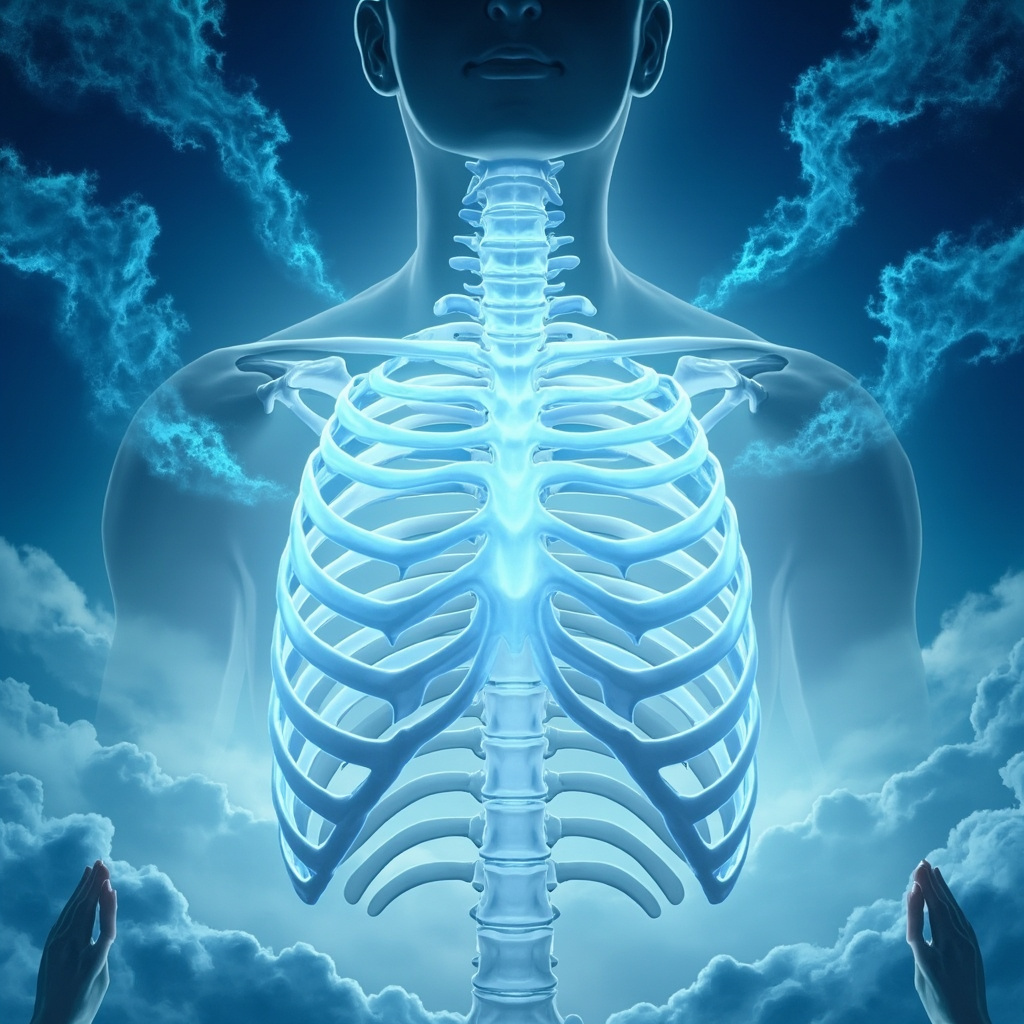
The intercostal muscles nestle between your ribs, quiet powerhouses that make every breath possible. These slim bands expand your chest when you inhale and help contract it as you exhale. Without their smooth action, breathing feels labored, oxygen flow dips, and the body struggles to stay energized.
For a deeper look, check the intercostal muscles glossary.
The Breathing Engine Between Your Ribs
Imagine your rib cage as a flexible bellows. Intercostal muscles pull the ribs up and out during inhalation, creating space for air to rush in. On the exhale, they assist in drawing the ribs down and in, pushing carbon dioxide out. This rhythm ensures your lungs fill fully, delivering oxygen to every cell.
There are external and internal intercostals, working in teams. The externals lift the ribs mainly, while internals aid expiration. Together, they support not just quiet breaths but also deeper ones needed during exercise or stress release. When balanced, they promote steady ventilation, better oxygenation, and a calm body rhythm.
When Intercostal Muscles Falter
Tight or weak intercostals show up as shortness of breath, chest tightness, or shallow panting. You might feel winded after light activity, or notice ribs that barely move. Reduced lung capacity follows, leading to fatigue, headaches, or poor sleep. In severe cases, respiratory distress sets in, making even rest uncomfortable.
Common triggers include poor posture, overexertion, or chronic habits like slouching over screens. But emotions play a big role too. Stress tenses these muscles, mimicking physical strain.
Emotional Shadows on the Breath
Feelings of being trapped or suffocated by life often settle in the intercostals. Picture carrying a heavy load of responsibility, fearing conflict, or struggling to claim your space. These emotions tighten the chest, restricting breath and amplifying anxiety.
Research highlights this link. Studies show intercostal tension can spark breathlessness in people prone to anxiety, feeding a cycle where shallow breaths signal danger to the brain.
Anxiety prompts rapid, chest-based breaths, overworking intercostals while underusing the diaphragm. This lowers blood oxygen, heightens tension, and locks in worry. Fear of confrontation or unexpressed needs? They manifest as guarded ribs, stifling your voice and vitality.
Intercostals as Allies for Healing
Healthy intercostals do more than breathe-they oxygenate organs, aiding heart, brain, and muscles. As a resource, they ease restriction, fostering emotional spaciousness. Deep breaths release trapped stress, boosting clarity and positivity.
In psychological practice, I see clients transform by addressing these ties. Biomarkers reveal intercostal energy and agitation from electrical readings, guiding targeted support.
Practical Steps to Free Your Breath
Build resilience with simple habits:
- Diaphragm pairing: Breathe low into the belly, letting intercostals expand sideways. Place hands on ribs; feel the lift.
- Posture check: Sit tall, shoulders down. Avoid hunching to let ribs move freely.
- Mindful release: Scan for chest tightness during stress. Inhale for four counts, hold four, exhale six. This calms the nervous system.
- Movement: Gentle twists or yoga poses like cat-cow stretch intercostals, reducing emotional hold.
- HRV focus: Track breath's impact on heart rhythm. Steady patterns build emotional stability.
For chronic issues, combine with relaxation like guided imagery, envisioning open space around your chest.
Progress Through Mind-Body Harmony
Tracking changes over time reveals gains. Improved intercostal function lifts mood, sharpens focus, and cuts agitation. Clients report less overwhelm, freer expression, and renewed energy.
By honoring these muscles' emotional role, you unlock breath as a bridge to well-being. It's a step toward resilience, where physiology and psyche align for lasting calm.
- 1. psychologytoday.com
- 2. physio-pedia.com
- 3. semanticscholar.org
- 4. psychologytoday.com
- 5. clinicaltrials.gov
- 6. mayoclinic.org
- 7. int.livhospital.com
- 8. facebook.com
- 9. researchgate.net
- 10. pubmed.ncbi.nlm.nih.gov
- 11. myofascialmississauga.com
- 12. pulmonolrespirjournal.com
- 13. medizinonline.com
- 14. doctronic.ai
- 15. integrativetherapiesandwellness.com
- 16. mayoclinic.org
- 17. healthline.com
- 18. pubmed.ncbi.nlm.nih.gov
- 19. psychologytoday.com
- 20. apa.org
- 21. facebook.com
- 22. physio-pedia.com
- 23. balticsportscience.com
- 24. schultzmyers.com
- 25. va.gov
- 26. instagram.com
- 27. x.com
- 28. psychologytoday.com
- 29. thefasciahub.com
- 30. pmc.ncbi.nlm.nih.gov
- 31. healthline.com
- 32. doctronic.ai
- 33. psychosomaticsandemotionalanatomy.com
- 34. sciencedirect.com
- 35. frontiersin.org
- 36. pmc.ncbi.nlm.nih.gov
- 37. cegla.de
- 38. psychologytoday.com
- 39. healthline.com
- 40. pmc.ncbi.nlm.nih.gov
- 41. my.clevelandclinic.org
- 42. healthline.com
- 43. healthpartners.com
- 44. pmc.ncbi.nlm.nih.gov
Related posts
Glossary
- Energy and mind Structures > oxygen
- Energy and mind Structures > carbon
- Energy and mind Structures > Focused Coherence; Focus
- Energy and mind Structures > Regulation
- Body zones > lungs
- Body zones > muscles
- Body zones > intercostal
- Body zones > respiratory
- Body zones > chest
- Energy and mind Structures > Organs
- TCM Recipes > Heart Health: Remedies for Anxiety and Palpitations
- TCM Recipes > Lung Support: A TCM Recipe for Respiratory Health
- TCM Recipes > Brain Boost: Clear Fog, Improve Focus & Memory
- TCM Recipes > Boost Your Energy: A TCM Recipe for Fatigue Relief
- Energy and mind Structures > sleep
- Energy and mind Structures > vitality
- Energy and mind Structures > Stress
- Stimuli > Moon - Nasal Passage, Breathing, Taste
- Binaural beats > Nervous System: A Program for Emotional Balance and Relaxation
- Stimuli > Blood
see also...
- Energy and mind Structures > HRV
- Energy and mind Structures > Body zones > substantia nigra
- Energy and mind Structures > TCM Recipes > Tension Headache Relief: A Natural Approach to Ease Stress
- Testimonials > 61% Drop in Nausea and 58% in Headaches from Sound Therapy
- Binaural beats > Stimuli > Variolinum
- Binaural beats > Transmutation: A Sound Journey for Personal Change