


Lens: Clarity in Vision and Emotions
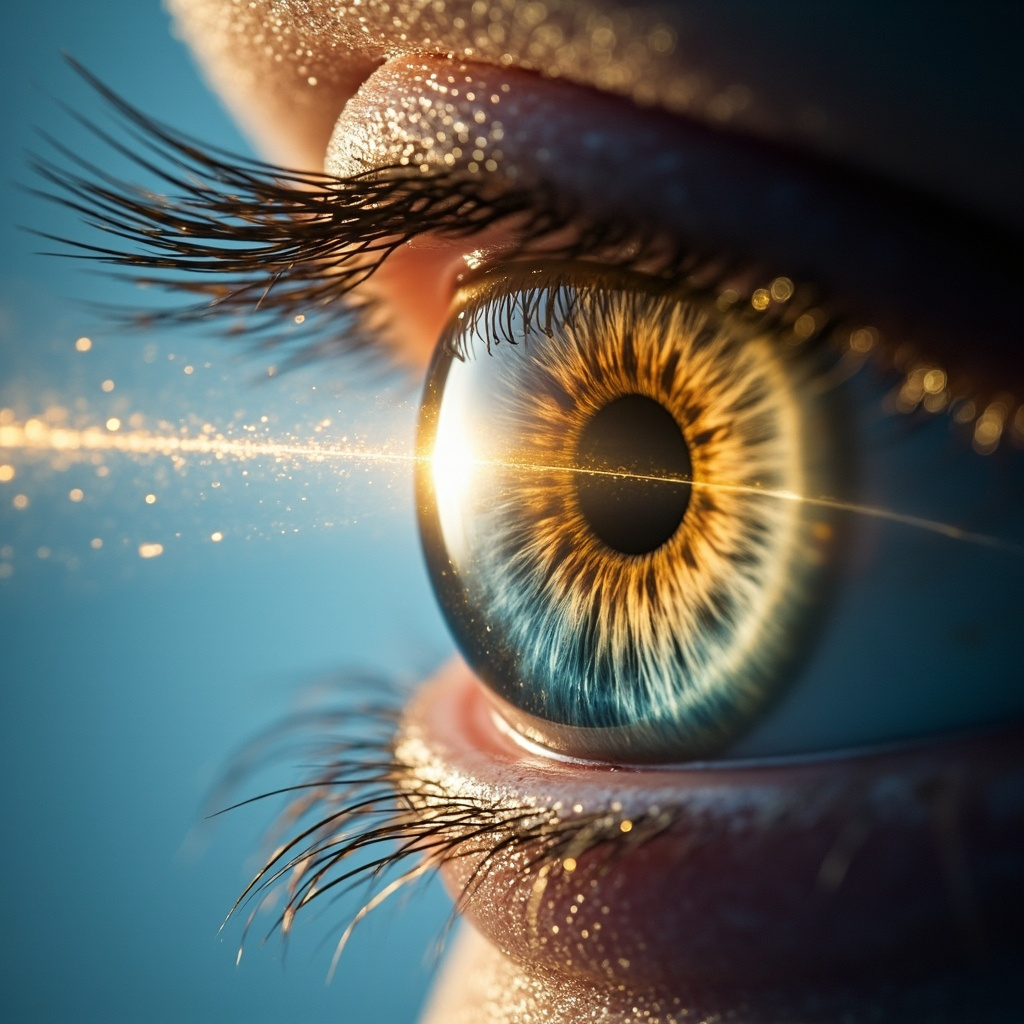
The Lens: Gateway to Clear Sight
The lens sits behind the iris and pupil in your eye. It acts like a flexible window, changing shape to focus light onto the retina. This lets you see near or far with precision. A healthy lens keeps your world sharp and vibrant. For more details, see the lens glossary.
When the lens works well, everyday tasks feel effortless. Reading a book, driving at night, or spotting a friend's smile all come into focus. But if it stiffens or clouds, vision blurs, turning clarity into frustration.
Signs of Lens Imbalance
Common issues include cataracts, where the lens grows opaque, like fog on glass. Colors fade, lights halo, and details vanish. This affects millions, often starting slowly with age or other factors.
Other problems arise from strain, poor light, or health shifts. You might notice:
- Blurry edges on objects
- Trouble shifting focus between distances
- Sensitivity to glare
- Headaches from eye effort
These physical changes signal more than wear. They often tie to deeper patterns in the body.
Emotional Links: Seeing Beyond the Surface
In psychology, vision shapes how we perceive life. The lens mirrors our inner clarity. A clouded lens may point to emotional blocks, like fear of facing reality or anxiety about what lies ahead.
Stress plays a key role. High tension raises cortisol, which harms eye tissues over time. Studies show people with cataracts face higher risks of anxiety and depression. Blurred sight limits activities, isolates socially, and feeds worry cycles. One recent review found cataract surgery often lifts mood, proving vision and emotions interconnect.
Heart rate variability (HRV) offers clues. Low HRV signals poor stress handling, which strains eyes. Agitation disrupts focus, making the lens work harder. Emotional conflicts-unresolved grief, future dread-manifest as perceptual fog, symbolizing a "clouded" life view.
Lens as a Resource for Balance
A strong lens supports the whole body. It sharpens perception, aiding organs like the brain or nerves. Clear sight helps interpret signals accurately, boosting decisions and calm.
When priorities arise elsewhere, the lens aids by:
- Enhancing focus during stress
- Clearing mental fog for better choices
- Linking vision to emotional resilience
As a resource, it guides inner journeys toward precision and peace.
Practical Steps to Support Your Lens
Psychology meets body wisdom here. Build habits for lens health and emotional flow:
Reduce Stress Daily
- Practice deep breathing: Inhale for 4 counts, exhale for 6. Boosts HRV, eases eye tension.
- Walk in nature: Soft light rests the lens, calms the mind.
Mindful Eye Care
- Follow the 20-20-20 rule: Every 20 minutes, look 20 feet away for 20 seconds.
- Palming: Rub hands warm, cup over closed eyes. Relaxes muscles, invites clarity.
Emotional Tools
- Journal fears: Write what you hesitate to "see." Clears mental blocks.
- Gratitude scans: Note three clear sights daily. Shifts focus to positives.
Nutrition and Rest
- Eat leafy greens, fish, nuts: Antioxidants protect the lens.
- Sleep 7-9 hours: Repairs tissues overnight.
Track progress with relaxation practices. Mindfulness lowers agitation, steadies HRV, and sharpens sight. Over time, biomarkers shift, reflecting resilience.
Path to Renewed Clarity
Your lens holds power: physical focus meets emotional insight. Address stress early to prevent clouds. Embrace it as ally for whole-body harmony. Clear vision starts within-see your path forward today.
- 1. nclasik.com
- 2. pmc.ncbi.nlm.nih.gov
- 3. ophthalmologytimes.com
- 4. lens.com
- 5. x.com
- 6. insighttimer.com
- 7. selfhack.com
- 8. eyesinsj.com
- 9. advvisioncenters.com
- 10. insightcla.com
- 11. healthzilla.ai
- 12. oclvision.com
- 13. journals.lww.com
- 14. youtube.com
- 15. youtube.com
- 16. open.spotify.com
- 17. youtube.com
- 18. aao.org
- 19. eyeshophouston.com
- 20. visionworks.com
- 21. researchgate.net
- 22. youtube.com
- 23. youtube.com
- 24. pmc.ncbi.nlm.nih.gov
- 25. pmc.ncbi.nlm.nih.gov
- 26. freedomeyelaser.com.au
- 27. x.com
- 28. youtube.com
- 29. mymseyecare.com
- 30. pdfs.semanticscholar.org
- 31. experiencelife.lifetime.life
- 32. courier-journal.com
- 33. news.cuanschutz.edu
- 34. pmc.ncbi.nlm.nih.gov
- 35. x.com
- 36. biospectralsystems.com
- 37. bonnereyeclinic.com
- 38. pacificeyemd.com
- 39. centreforsight.net
- 40. sciencedirect.com
- 41. naturallyclearvision.com
- 42. thomasdentalandeyecare.com
- 43. insighttimer.com
- 44. x.com
- 45. youtube.com
- 46. youtube.com
- 47. boernevisioncenter.com
- 48. sanmarcosvision.com
- 49. youtube.com
- 50. x.com
- 51. gero.usc.edu
- 52. lceyes.com
- 53. x.com
- 54. x.com
- 55. pmc.ncbi.nlm.nih.gov
- 56. clinicaltrials.gov
- 57. x.com
- 58. pmc.ncbi.nlm.nih.gov
Related posts
Glossary
- Energy and mind Structures > Focused Coherence; Focus
- Energy and mind Structures > Mental
- Energy and mind Structures > Peace
- Energy and mind Structures > Grief
- Body zones > muscles
- Body zones > nerves
- Body zones > tissues
- Body zones > eyes
- Body zones > lens
- Body zones > face
- Energy and mind Structures > Organs
- TCM Recipes > Cataract Relief: Natural Ways to Improve Vision
- TCM Recipes > Brain Boost: Clear Fog, Improve Focus & Memory
- Energy and mind Structures > sleep
- Energy and mind Structures > Head, perception
- Energy and mind Structures > Stress
- Stimuli > Moon - Nasal Passage, Breathing, Taste
- Stimuli > AIDS
- Stimuli > Harmony
see also...
- Energy and mind Structures > HRV
- Energy and mind Structures > Body zones > thoracic
- Energy and mind Structures > TCM Recipes > Boost Energy: A Simple Remedy for Low Energy and Fatigue
- Testimonials > 61% Drop in Nausea and 58% in Headaches from Sound Therapy
- Binaural beats > Stimuli > Sacral, Zinc Etc