


Cell Nuclei: Neuron Control for Deep Sleep
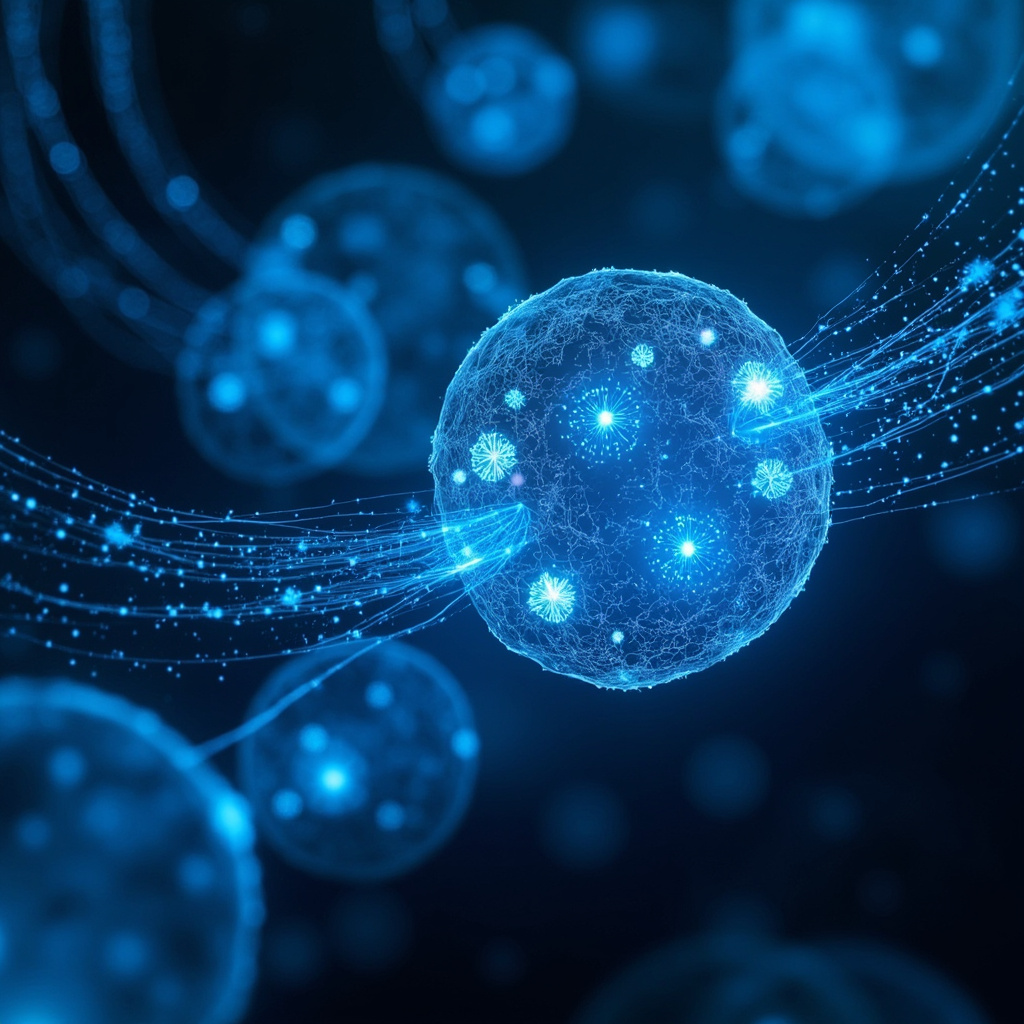
Cell Nuclei in Neurons: The Brain's Hidden Command Centers
Inside every neuron, the basic building block of your brain and spinal cord, lies a cell nucleus. Think of it as the control room. It holds your genetic blueprint and decides which genes turn on or off to produce proteins. These proteins help the neuron communicate, stay healthy, and respond to the body's needs.
When working well, cell nuclei coordinate all cell activities. They ensure neurons fire properly, supporting thinking, memory, and automatic functions like breathing during sleep. For a deeper look, check the Cell Nuclei glossary.
Poor function in these nuclei can lead to bigger problems. Neurons may struggle, contributing to foggy thinking, mood dips, or even serious brain conditions over time. This directly impacts your ability to unwind and enter deep sleep.
How Cell Nuclei Influence Sleep Quality
Deep sleep relies on healthy neurons. The nuclei control gene expression, which sets your internal clock or circadian rhythm. They help balance cortisol, the stress hormone that peaks in the morning but should drop at night for rest.
Recent research shows sleep deprivation hits neuron nuclei hard. In mouse brain studies, lack of sleep changed gene activity and nuclear proteins in neurons more than in other brain cells like astrocytes. Neurons showed shifts in genes for inflammation, synapse health, and RNA processing – all key for recovery. After just hours without sleep, these control centers showed more changes, suggesting neurons lead the brain's response to tiredness.
This ties into heart rate variability (HRV), a sign of nervous system balance. Low HRV from stress disrupts neuron signals, making sleep shallow. Healthy nuclei help maintain steady rhythms, promoting energy restoration overnight.
Disrupted nuclei also affect breathing patterns. Neurons in the brainstem rely on them to keep airways open during rest, preventing interruptions like shallow breaths.
The Emotional Link to Neuron Nuclei
Feelings run deeper than you think. Existential conflicts – questions about your purpose, self-worth, or life path – can create chronic emotional stress. This stress may disrupt cell nuclei in neurons, leading to inflammation or poor gene regulation.
Over time, this builds a cycle: unsettled emotions spike cortisol, fragment sleep, and weaken neuron health. You wake unrefreshed, with low energy or racing thoughts. Studies link such stress to higher risks of brain decline, where neuron nuclei fail to protect cells.
Recognizing this connection is key. When emotions feel heavy, they signal a need to nurture your brain's control centers.
Using Cell Nuclei as a Resource for Recovery
Healthy cell nuclei are powerful allies. They regulate genes to boost neuron strength, sharpen focus, and buffer stress. This supports overall brain function, leading to better sleep onset, deeper rest, and morning vitality.
As a resource, strong nuclei help other body systems. They enhance cognitive clarity, stabilize mood, and aid energy recovery. In sleep coaching, we look at related signs like cortisol trends or HRV to spot imbalances early.
Practical Steps to Support Your Neuron Nuclei
- Evening wind-down: Dim lights 2 hours before bed to align circadian genes.
- Deep breathing: Slow inhales (4 seconds) and exhales (6 seconds) activate calm nerves, easing stress on nuclei.
- Morning sunlight: 10-15 minutes boosts natural cortisol rhythm, supporting gene health.
- Consistent sleep window: Aim for 7-9 hours to let nuclei repair and reset.
- Stress check-ins: Journal purpose-related thoughts to release emotional blocks.
These habits foster parasympathetic activation, the rest-and-digest mode that protects neurons.
Why Focus on Cell Nuclei Now?
In our fast world, sleep suffers first. But tuning into cell nuclei offers a path to biological alignment. They bridge physical recovery and emotional peace, unlocking restorative nights. Next time you struggle to sleep, consider your brain's quiet commanders – nurturing them leads to profound change.
- 1. ps-itscounseling.com
- 2. academic.oup.com
- 3. biorxiv.org
- 4. youtube.com
- 5. youtube.com
- 6. quantumclinic.com
- 7. pmc.ncbi.nlm.nih.gov
- 8. sciencedirect.com
- 9. sciencedaily.com
- 10. youtube.com
- 11. sciencedirect.com
- 12. jamanetwork.com
- 13. onlinelibrary.wiley.com
- 14. nature.com
- 15. pmc.ncbi.nlm.nih.gov
- 16. biorxiv.org
- 17. cell.com
- 18. pmc.ncbi.nlm.nih.gov
- 19. link.springer.com
- 20. mdpi.com
- 21. scirp.org
- 22. massgeneralbrigham.org
- 23. sciencedirect.com
- 24. cell.com
- 25. pmc.ncbi.nlm.nih.gov
- 26. youtube.com
- 27. open.spotify.com
- 28. pmc.ncbi.nlm.nih.gov
- 29. pmc.ncbi.nlm.nih.gov
- 30. pubmed.ncbi.nlm.nih.gov
- 31. nature.com
- 32. nad.com
- 33. mednexus.org
- 34. medicalxpress.com
- 35. pmc.ncbi.nlm.nih.gov
- 36. nature.com
- 37. pubmed.ncbi.nlm.nih.gov
- 38. lonestarneurology.net
- 39. frontiersin.org
- 40. pmc.ncbi.nlm.nih.gov
- 41. today.ucsd.edu
- 42. cell.com
- 43. youtube.com
- 44. biorxiv.org
- 45. sciencedirect.com
- 46. brainchanges.org
- 47. pmc.ncbi.nlm.nih.gov
- 48. medicalxpress.com
- 49. pmc.ncbi.nlm.nih.gov
- 50. annualreviews.org
Related posts
Glossary
- Energy and mind Structures > Focused Coherence; Focus
- Energy and mind Structures > Regulation
- Energy and mind Structures > Purpose
- Energy and mind Structures > Fire
- Energy and mind Structures > Peace
- Energy and mind Structures > Memory
- Energy and mind Structures > Clock
- Body zones > nerves
- Body zones > cell nuclei
- TCM Recipes > Brain Boost: Clear Fog, Improve Focus & Memory
- Energy and mind Structures > sleep
- Energy and mind Structures > vitality
- Energy and mind Structures > Stress
- Stimuli > RBM8A, RNA Processing
- Stimuli > Cortisol
- Stimuli > Moon - Nasal Passage, Breathing, Taste
- Binaural beats > Inflammation Relief: Heal Faster with Binaural Beats
- Binaural beats > Spinal Cord Support: Enhance Wellness and Emotional Balance
- Binaural beats > Nervous System: A Program for Emotional Balance and Relaxation
- Stimuli > Lead
see also...
- Energy and mind Structures > HRV
- Energy and mind Structures > Body zones > cell nuclei
- Energy and mind Structures > TCM Recipes > Boost Energy: A Simple Remedy for Low Energy and Fatigue
- Binaural beats > Stimuli > Sacral, Zinc Etc
- Binaural beats > Transmutation: A Sound Journey for Personal Change
- Testimonials > 61% Drop in Nausea and 58% in Headaches from Sound Therapy