


DHEA: Vitality Hormone for Deep Sleep
What is DHEA?
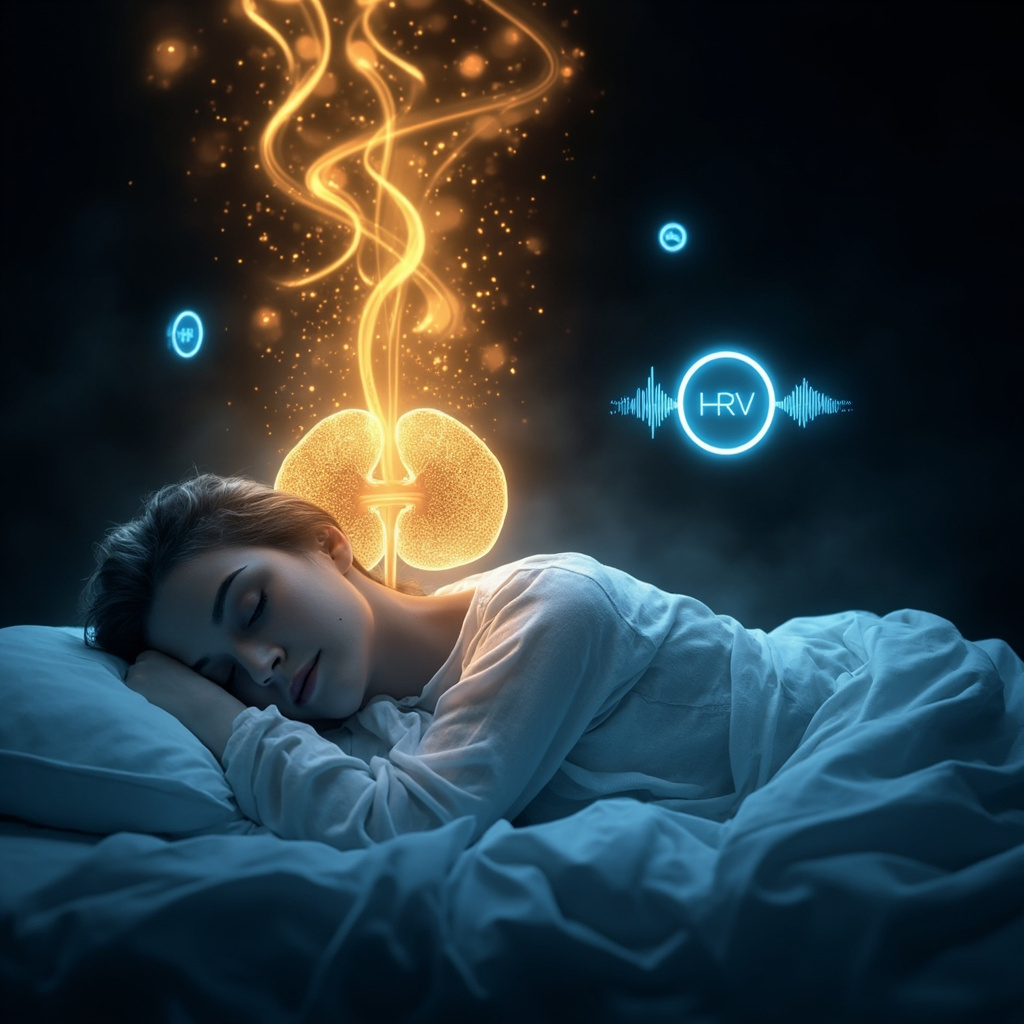
DHEA (dehydroepiandrosterone) is a hormone your body produces mainly in the adrenal glands, sitting atop your kidneys. It acts as a building block for other key hormones like testosterone and estrogen. Every day, DHEA helps maintain steady energy levels, supports your immune system, lifts your mood, and keeps bones strong.
As we age, natural DHEA production drops, often starting in our 30s. This decline can show up as everyday tiredness, low spirits, or slower recovery after stress. For more details, check the DHEA glossary.
DHEA and Restorative Sleep
Sleep is your body's prime time for repair, and DHEA plays a quiet but powerful role. Healthy DHEA levels promote deep sleep stages, like slow-wave sleep, where true recovery happens. Research shows that higher DHEA correlates with more time in these vital phases, helping you wake feeling refreshed.
In contrast, low DHEA disrupts your circadian rhythm-that inner clock guiding sleep and wake cycles. It makes falling asleep harder and fragments nighttime rest. Balanced DHEA supports heart rate variability (HRV), a sign of your nervous system's flexibility between rest and activity. Good HRV means smoother shifts into sleep and deeper recovery.
The Stress Battle: DHEA vs. Cortisol
Cortisol, the main stress hormone, rises with pressure and should dip at night for sleep. DHEA acts as its natural counterbalance. When cortisol stays high, it wears down DHEA, leading to exhaustion and shallow sleep. This imbalance often appears in busy lives with poor sleep habits or ongoing worry.
Think of DHEA as your resilience shield. It buffers stress impacts, preserving energy for overnight recharge. Tools assessing body electrical activity can spot DHEA biomarkers-its energy, activity levels, and body connections-guiding ways to restore harmony.
Emotional Ties to DHEA
Beyond the physical, DHEA touches feelings of vitality and strength. When flowing well, it brings a sense of inner power and bounce-back ability. Imbalances may stir stress, low confidence, or fears around aging and fading energy.
Emotional strains like self-doubt or loss of purpose can subtly affect DHEA output. Addressing these through rest, breathwork, or mindset shifts helps. As a resource, DHEA bolsters mood stability, easing into calm evenings and sound sleep.
Signs of DHEA Imbalance
Watch for these clues:
- Persistent fatigue, even after rest
- Mood dips or irritability
- Slower healing from workouts
- Weakened resistance to colds
- Bone or joint concerns over time
If these ring true, nurturing DHEA could transform your nights.
Ways to Support DHEA for Better Sleep
Simple steps build DHEA naturally:
- Prioritize 7-9 hours sleep aligned with natural light-dark early, bright mornings.
- Manage stress with deep belly breaths or evening walks to lower cortisol.
- Eat nutrient-rich foods: healthy fats like avocados, nuts; proteins; colorful veggies.
- Exercise moderately-strength training boosts DHEA precursors.
- Limit caffeine post-noon; opt for herbal teas.
Research backs this: One study found a single DHEA dose increased REM sleep, the dream-rich phase for emotional processing.
Reclaim Your Rest
DHEA is your ally for vibrant days built on solid nights. By tuning into its signals, you unlock deeper recovery, steady energy, and emotional ease. Start small-track your sleep patterns and stress-toward balanced hormones and renewal.
- 1. pmc.ncbi.nlm.nih.gov
- 2. journals.plos.org
- 3. pubmed.ncbi.nlm.nih.gov
- 4. heartmath.com
- 5. digitalcommons.gaacademy.org
- 6. citybeat.com
- 7. nortonhealthcare.com
- 8. pmc.ncbi.nlm.nih.gov
- 9. pmc.ncbi.nlm.nih.gov
- 10. choosehealth.io
- 11. frontiersin.org
- 12. lamkinclinic.com
- 13. tandfonline.com
- 14. pmc.ncbi.nlm.nih.gov
- 15. mayoclinic.org
- 16. sciencedirect.com
- 17. pmc.ncbi.nlm.nih.gov
- 18. tier1hw.com
- 19. pmc.ncbi.nlm.nih.gov
- 20. jssm.org
- 21. pubmed.ncbi.nlm.nih.gov
- 22. openaccess.city.ac.uk
- 23. sciencedirect.com
- 24. medicalxpress.com
- 25. sciencedirect.com
- 26. clinicaltrials.eu
- 27. pubmed.ncbi.nlm.nih.gov
- 28. ccjm.org
- 29. pubmed.ncbi.nlm.nih.gov
- 30. pmc.ncbi.nlm.nih.gov
- 31. rupahealth.com
- 32. docus.ai
Related posts
Glossary
- Energy and mind Structures > Purpose
- Energy and mind Structures > Exhaustion
- Energy and mind Structures > Confidence
- Energy and mind Structures > Clock
- Body zones > hormones
- Body zones > dhea
- Body zones > kidneys
- Energy and mind Structures > sleep
- Energy and mind Structures > Stress
- Stimuli > Cortisol
- Stimuli > Testosterone
- Binaural beats > Sound Sleep: Enhance Restful Sleep and Relaxation
- Stimuli > Bone
- Stimuli > Harmony