


Adrenal Cortex: Stress Shield for Deep Sleep
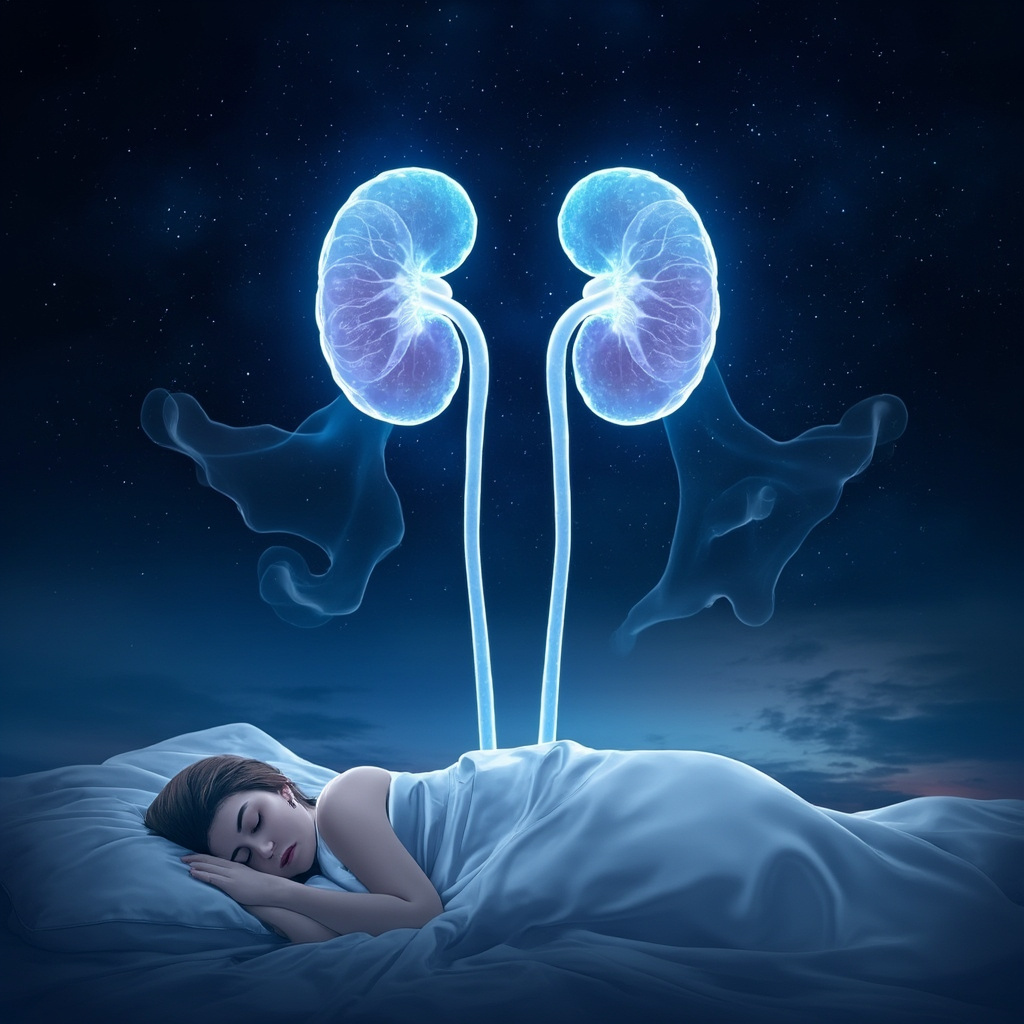
Understanding the Adrenal Cortex
The adrenal cortex forms the outer layer of the adrenal glands, small organs perched atop your kidneys. It acts like a command center for vital hormones. These include cortisol, which manages stress and energy; aldosterone, which balances fluids and blood pressure; and androgens, which influence strength and mood.
When working well, the adrenal cortex keeps your body in harmony. It helps control metabolism, supports your immune system, and readies you for daily challenges. For more details, see the cortex glossary.
How the Adrenal Cortex Shapes Your Sleep
Cortisol follows a natural daily rhythm. Levels peak in the morning to wake you up and energize your day, then drop at night to allow deep rest. This pattern aligns with your circadian rhythm, the inner clock guiding sleep and wake times.
If the adrenal cortex overproduces cortisol, especially in the evening, sleep suffers. You might wake up too early, struggle to fall asleep, or feel wired yet tired. Recent research highlights this: higher cortisol before bed links to shorter sleep time and more disruptions. Low morning cortisol can leave you sluggish, dragging through the day without true recovery.
Heart rate variability (HRV), a measure of your nervous system's flexibility, often dips with cortex imbalances. Good HRV signals relaxation and readiness for sleep; poor HRV means ongoing stress blocks rest.
Signs of Adrenal Cortex Imbalance
- Trouble staying asleep past 3 or 4 a.m.
- Morning fatigue despite full hours in bed
- Afternoon energy crashes
- Heightened sensitivity to stress
These patterns show in sleep biomarkers, revealing how cortisol rhythms affect energy restoration and breathing during rest.
Emotional Links to the Adrenal Cortex
Beyond hormones, the adrenal cortex ties to deep feelings. It responds to fear, survival pressures, and overwhelm from life's demands. When strained, you might feel anxious about the future, threatened by change, or desperate for control.
Picture constant low-level alert: heart racing over small worries, mind replaying threats. This emotional load keeps cortisol high, sabotaging sleep. Balanced, it fosters resilience, turning stress into steady calm.
The Adrenal Cortex as Your Inner Resource
A healthy adrenal cortex supports the whole body. It steadies blood pressure for steady heart rhythms, balances metabolism for sustained energy, and tempers stress to aid immunity. In sleep terms, it ensures cortisol dips at night, promoting parasympathetic activation-your rest-and-digest mode.
When called upon, it helps:
- Lungs breathe deeply for oxygen-rich sleep
- Brain quiet for dream-filled recovery
- Muscles relax, easing tension
This makes it a key ally for circadian balance and vitality.
Practical Steps to Support Your Adrenal Cortex
Support this vital layer through daily habits:
Rhythm Reset
- Dim lights after sunset to signal cortisol drop.
- Morning sunlight exposure boosts natural peak.
Stress Soothers
- Deep belly breathing: Inhale for 4 counts, exhale 6, to lift HRV.
- Evening wind-down: Journal worries to offload mental load.
Nourish and Restore
- Foods like leafy greens and fatty fish aid hormone balance.
- Avoid caffeine post-noon; it mimics cortisol spikes.
Track patterns: Note wake times and energy. If cortisol seems off-early awakenings or exhaustion-simple tweaks rebuild balance.
A Follow-Up to Adrenal Glands
Building on our adrenal glands post, the cortex is the powerhouse layer driving hormone output. Tune it for profound sleep gains.
Recent studies confirm: Managing evening cortisol trumps supplements for quality rest. Your body knows the way back to deep, restorative nights.
- 1. academic.oup.com
- 2. sciencedirect.com
- 3. adrenal.com
- 4. pubmed.ncbi.nlm.nih.gov
- 5. instagram.com
- 6. nepjol.info
- 7. ncbi.nlm.nih.gov
- 8. healthline.com
- 9. blog.accessmedlab.com
- 10. pmc.ncbi.nlm.nih.gov
- 11. ptsduk.org
- 12. globalrph.com
- 13. ubiehealth.com
- 14. mdpi.com
- 15. jscimedcentral.com
- 16. healthline.com
- 17. pmc.ncbi.nlm.nih.gov
- 18. frontiersin.org
- 19. my.clevelandclinic.org
- 20. sciencedirect.com
- 21. pmc.ncbi.nlm.nih.gov
- 22. rthm.com
- 23. newtropin.com
- 24. kimba.ai
- 25. researchgate.net
- 26. nuritas.com
- 27. sciencedirect.com
- 28. everlywell.com
- 29. frontiersin.org
- 30. youtube.com
- 31. mdpi.com
- 32. academic.oup.com
- 33. stacks.cdc.gov
- 34. icahealth.com
- 35. ndnr.com
Related posts
Glossary
- Energy and mind Structures > Mental
- Energy and mind Structures > Clock
- Energy and mind Structures > Immunity
- Energy and mind Structures > Relax
- Body zones > glands
- Body zones > cortex
- Body zones > hormones
- Body zones > kidneys
- Body zones > lungs
- Body zones > muscles
- Energy and mind Structures > Organs
- TCM Recipes > Heart Health: Remedies for Anxiety and Palpitations
- TCM Recipes > Brain Boost: Clear Fog, Improve Focus & Memory
- TCM Recipes > Adrenal Support: Remedies for Fatigue and Stress
- TCM Recipes > Boost Your Energy: A TCM Recipe for Fatigue Relief
- Energy and mind Structures > sleep
- Energy and mind Structures > vitality
- Energy and mind Structures > blood pressure
- Energy and mind Structures > fluids
- Energy and mind Structures > Stress
- Stimuli > Cortisol
- Stimuli > Moon - Nasal Passage, Breathing, Taste
- Binaural beats > Immune System Support: Enhancing Health with Sound Frequencies
- Stimuli > Harmony
- Stimuli > Blood
- Stimuli > GAPDH, Metabolism
see also...
- Energy and mind Structures > HRV
- Energy and mind Structures > Body zones > cerebrospinal fluid
- Energy and mind Structures > TCM Recipes > Tension Headache Relief: A Natural Approach to Ease Stress
- Testimonials > 61% Drop in Nausea and 58% in Headaches from Sound Therapy
- Binaural beats > Stimuli > Chakra Throat
- Binaural beats > Immune System Support: Enhancing Health with Sound Frequencies