


Besnoitia (lung): Meditation for Respiratory Calm
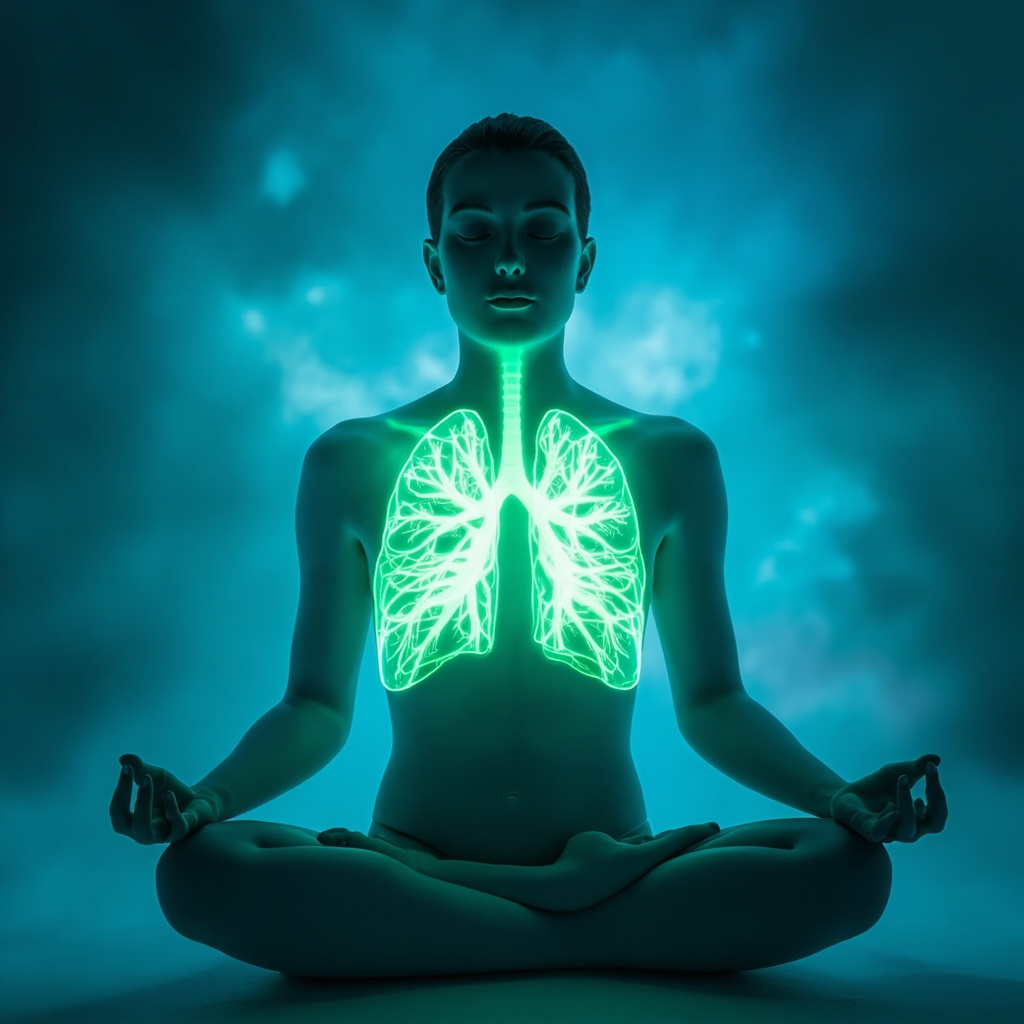
What is Besnoitia in the Lungs?
Besnoitia is a tiny parasitic organism that can settle in the lung tissue. When it invades, it damages the delicate structures there, leading to respiratory distress. You might notice shortness of breath, tightness in the chest, or a constant feeling of unease when inhaling. These physical changes make everyday activities harder and can leave you feeling vulnerable.
In simple terms, think of your lungs as the body's breath centers. Any imbalance here affects how oxygen flows, impacting energy and mood. Addressing this through mindful practices can help bring harmony back.
The Emotional Side of Lung Imbalance
When Besnoitia affects the lungs, it's not just physical. It often brings waves of anxiety and fear. The struggle to breathe can make you feel exposed, as if your body is under threat. Frustration builds too, from worrying about health and daily limitations.
These emotions tie into the nervous system. Stress biomarkers rise, and heart rate variability (HRV) drops, signaling less resilience to tension. Your mind races with concerns, creating a cycle: discomfort fuels worry, and worry tightens the breath further.
Meditation steps in here. By focusing on breath and calm, you regulate emotions, lower stress markers, and rebuild a sense of safety.
Why Meditation Supports Lung Health
Research shows breathing-focused meditation improves lung function and reduces respiratory symptoms. One study found that regular breathing meditation strengthened respiratory muscles and eased mental strain. Another highlighted how mindfulness practices enhance oxygen flow and lower anxiety in those with lung challenges.
As a meditation coach, I track HRV and stress levels to see progress. These practices activate the parasympathetic system-the body's rest mode-easing agitation and promoting emotional regulation. For lung issues like those from Besnoitia, gentle breathwork clears stagnant energy and fosters deeper, freer inhales.
A Guided Meditation for Balance
Find a quiet spot. Sit comfortably with feet on the ground, hands on your lap. Close your eyes softly.
Step 1: Settle into Awareness Take three slow breaths. Inhale through your nose for four counts, exhale through pursed lips for six. Feel your belly rise and fall. Notice any tension in your chest.
Step 2: Journey to the Lungs Imagine a soft light entering your nostrils, traveling down to your lungs. Picture the lung tissue as expansive fields, now hosting Besnoitia. Without judgment, acknowledge the discomfort.
Step 3: Invite Calm With each inhale, whisper inwardly: "Lungs, breathe freely. Release distress." Exhale: "Besnoitia, find harmony with my body." Visualize the light soothing the tissues, dissolving tightness.
Step 4: Call the Resource If balanced, see Besnoitia as an ally: "Besnoitia in my lungs, support my breath. Bring vitality and safety." Feel strength returning, breaths deepening.
Step 5: Anchor the Calm Place a hand on your chest. Breathe normally for five minutes, noting ease. Open your eyes, carrying this peace.
Practice daily for 10-15 minutes. Over time, you'll sense lighter breathing and steadier emotions.
Breathing Exercises to Complement
- Pursed-Lip Breathing: Inhale nose (2 counts), exhale lips pursed (4 counts). Clears airways, reduces breath trapping.
- Diaphragmatic Breath: Hand on belly, breathe so it rises more than chest. Builds lung capacity.
- 4-7-8 Technique: In 4, hold 7, out 8. Calms nerves, improves HRV.
These align with meditation, targeting respiratory rhythm for better efficiency.
Signs of Progress
Watch for:
- Easier, deeper breaths without effort.
- Less anxiety around physical sensations.
- Improved mood and energy.
- If tracking biomarkers, rising HRV and falling stress levels.
When Besnoitia shifts to a resource, it aids respiratory health, eases emotional distress, and nurtures well-being. Your lungs become allies in vitality.
Embrace this inner voyage. Consistent practice rewires your response to challenges, fostering lasting calm.
- 1. pubmed.ncbi.nlm.nih.gov
- 2. frontiersin.org
- 3. wellspire.net
- 4. cymbiotika.com
- 5. mdpi.com
- 6. pmc.ncbi.nlm.nih.gov
- 7. youtube.com
- 8. youtube.com
- 9. coherence.today
- 10. pubmed.ncbi.nlm.nih.gov
- 11. sciencedirect.com
- 12. nature.com
- 13. sciencedirect.com
- 14. mdpi.com
- 15. journals.sagepub.com
- 16. frontiersin.org
- 17. sciencedirect.com
- 18. vbn.aau.dk
- 19. sciencedirect.com
- 20. facebook.com
- 21. researchgate.net
- 22. mindful.org
- 23. conwaymedicalcenter.com
- 24. pmc.ncbi.nlm.nih.gov
- 25. lidsen.com
- 26. pulmonaryfibrosis.org
- 27. pmc.ncbi.nlm.nih.gov
- 28. breatheclinicguwahati.com
- 29. pmc.ncbi.nlm.nih.gov
- 30. nature.com
- 31. researchgate.net
- 32. link.springer.com
- 33. sciencedirect.com
- 34. link.springer.com
- 35. lung.org
- 36. thoracic.org
- 37. pmc.ncbi.nlm.nih.gov
- 38. patient.boehringer-ingelheim.com
- 39. cochranelibrary.com
- 40. pubs.acs.org
Related posts
Glossary
- Energy and mind Structures > oxygen
- Energy and mind Structures > Mental
- Energy and mind Structures > Peace
- Energy and mind Structures > Besnoitia (lung)
- Body zones > lungs
- Body zones > muscles
- Body zones > nerves
- Body zones > nose
- Body zones > parasympathetic
- Body zones > respiratory
- Body zones > tissues
- Body zones > chest
- Body zones > eyes
- TCM Recipes > Lung Support: A TCM Recipe for Respiratory Health
- Energy and mind Structures > vitality
- Energy and mind Structures > Theta; 4.31-6.97 Hz. Light sleep, meditation.
- Energy and mind Structures > Stress
- Stimuli > Moon - Nasal Passage, Breathing, Taste
- Stimuli > AIDS
- Stimuli > Harmony