


Emotional Balance: Path to Inner Calm
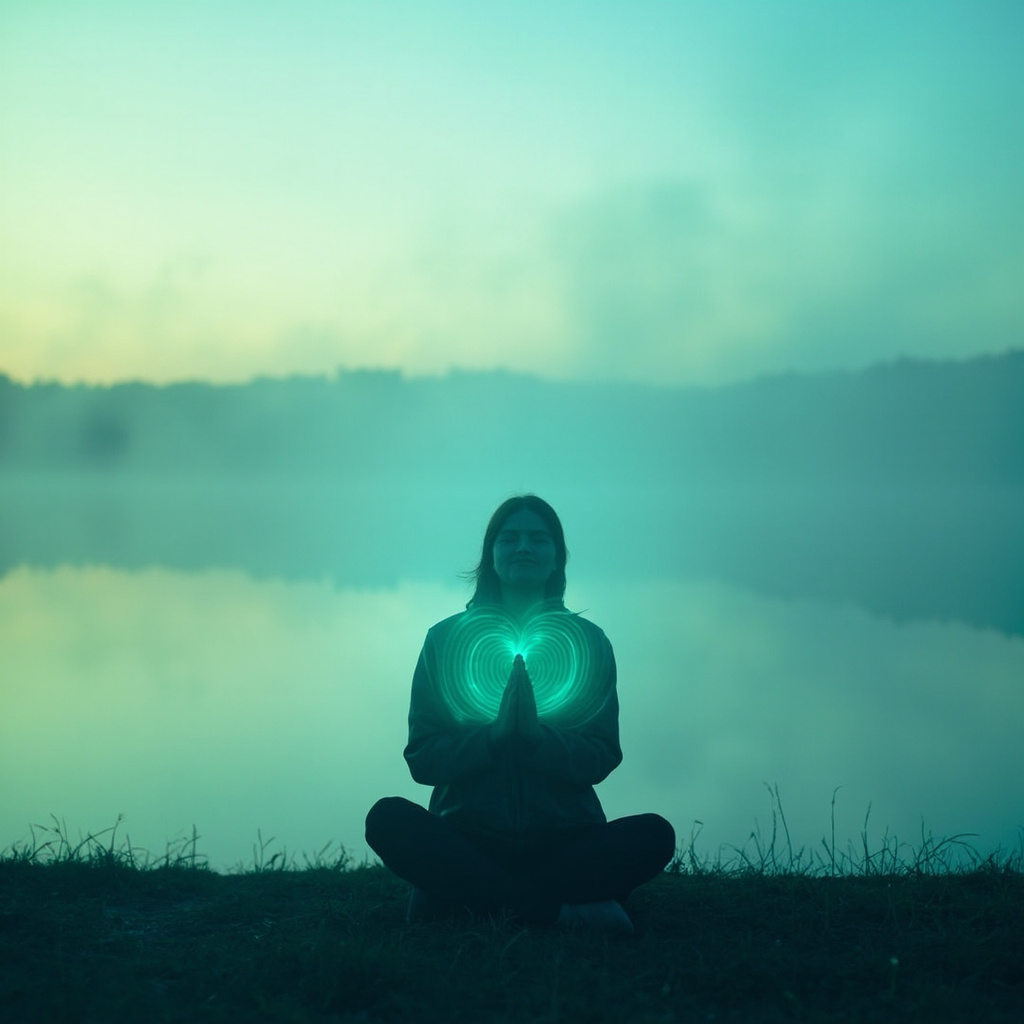
Emotional balance is the steady ability to experience and handle your feelings without being overwhelmed. It acts like an inner anchor, keeping you calm amid life's ups and downs. When in tune, it supports clear thinking, strong relationships, and vibrant health. In our bodies, it shows up through subtle signs like smooth heart rhythms and relaxed nerves.
For a deeper look, check the emotional balance glossary.
Why Emotional Balance Matters
A balanced emotional state goes beyond just feeling good. It protects your whole body. Lack of balance often fuels ongoing stress, worry, and tiredness, which can strain your heart, weaken immunity, and disrupt sleep. On the flip side, good balance lowers these risks.
It creates resilience, helping you bounce back from challenges. Your organs work better, energy flows smoothly, and daily life feels lighter. Studies link it to lower anxiety and sharper focus.
Spotting Emotional Balance in Your Body
Your body gives clues through its natural rhythms. One key sign is heart rate variability (HRV). This measures tiny shifts in your heartbeat. High HRV means your nervous system switches easily between action and rest modes. It signals emotional steadiness.
Other hints include:
- Steady breathing during talks or tasks
- Quick calm after upsets
- Fewer tension headaches or stomach issues from nerves
- Better sleep with vivid, positive dreams
When off-kilter, you might notice racing thoughts, tight chest, or mood swings.
Emotional Balance as Your Inner Resource
Think of emotional balance as a trusted friend. It quiets stress and worry, letting your body heal and thrive. It nurtures organs by easing tension on them. Meridians-energy paths in traditional views-flow freer. Emotions settle, building toughness against daily strains.
In practice, call on it during tough moments. Picture it as a warm, steady light in your chest. This simple shift invites calm and opens doors to better health.
Meditation: Your Tool for Balance
Meditation builds emotional balance step by step. It trains your mind to observe feelings without judgment. Over time, this strengthens nervous system control.
Focus on these approaches:
- Breath awareness: Slow inhales and exhales boost HRV. Try 4 counts in, 6 out for five minutes daily.
- Body scan: Notice tension spots, breathe into them. Releases held emotions.
- Loving-kindness: Send kind thoughts to yourself and others. Softens harsh self-talk.
A large global study in Scientific Reports (2025) reviewed millions of HRV sessions. It found positive feelings like peace create high coherence-smooth heart rhythms tied to emotional stability. Negative moods scatter these rhythms. Breathing practices matched natural calm frequencies, proving meditation's power.
Stress Biomarkers and Your Progress
Track simple signs of change. Notice your HRV if you have a tool, or feel your pulse after practice-steadier means progress. Less agitation, more mental clarity show emotional growth.
As a meditation coach, I guide using these cues. Low HRV? Add gentle breathwork. High stress markers? Short daily sits. Emotional links guide deeper peace.
Build It into Your Day
Start small:
- Morning: 5-minute breath focus to set calm.
- Midday: Pause, name your feeling, let it pass.
- Evening: Reflect on gratitudes for balance.
Consistency matters. Even brief practices shift biomarkers toward harmony. Over weeks, feel lighter, more resilient.
Emotional balance is your foundation for lasting well-being. Nurture it with meditation, and watch health bloom.
- 1. raleightmjandsleep.com
- 2. instagram.com
- 3. nccih.nih.gov
- 4. instagram.com
- 5. pmc.ncbi.nlm.nih.gov
- 6. sona.help
- 7. harmonizedneurology.com
- 8. pmc.ncbi.nlm.nih.gov
- 9. nih.gov
- 10. smartgenes.co.nz
- 11. pmc.ncbi.nlm.nih.gov
- 12. pmc.ncbi.nlm.nih.gov
- 13. newsinhealth.nih.gov
- 14. journals.sagepub.com
- 15. pmc.ncbi.nlm.nih.gov
- 16. nature.com
- 17. link.springer.com
- 18. pmc.ncbi.nlm.nih.gov
- 19. worthingtonoptimalwellness.com
- 20. pmc.ncbi.nlm.nih.gov
- 21. researchgate.net
- 22. ncbi.nlm.nih.gov
- 23. bhakticlinic.com
- 24. pmc.ncbi.nlm.nih.gov
- 25. heraldnews.com
- 26. facebook.com
- 27. pmc.ncbi.nlm.nih.gov
- 28. pilgrimageyoga.com
- 29. erinrosenblum.com
- 30. facebook.com
- 31. instagram.com
- 32. healtheducationandpublichealth.com
- 33. facebook.com
- 34. blog.lief.ai
- 35. kubios.com
- 36. pubmed.ncbi.nlm.nih.gov
- 37. psychologytoday.com
- 38. newlifehw.com
- 39. frontiersin.org
- 40. pmc.ncbi.nlm.nih.gov
Related posts
Glossary
- Energy and mind Structures > Focused Coherence; Focus
- Energy and mind Structures > Mental
- Energy and mind Structures > Peace
- Energy and mind Structures > Immunity
- Body zones > nerves
- Body zones > chest
- Energy and mind Structures > Organs
- TCM Recipes > Emotional Balance: A TCM Guide to Calm Anxiety & Insomnia
- TCM Recipes > Stomach Health: Natural Remedies for Digestive Issues
- TCM Recipes > Heart Health: Remedies for Anxiety and Palpitations
- Energy and mind Structures > sleep
- Energy and mind Structures > emotional balance
- Energy and mind Structures > Theta; 4.31-6.97 Hz. Light sleep, meditation.
- Energy and mind Structures > Stress
- Stimuli > IGF1, Growth
- Stimuli > Moon - Nasal Passage, Breathing, Taste
- Binaural beats > Nervous System: A Program for Emotional Balance and Relaxation
- Stimuli > Harmony
see also...
- Energy and mind Structures > HRV
- Energy and mind Structures > Body zones > substantia nigra
- Energy and mind Structures > TCM Recipes > Tension Headache Relief: A Natural Approach to Ease Stress
- Testimonials > 61% Drop in Nausea and 58% in Headaches from Sound Therapy
- Binaural beats > Stimuli > Sacral, Zinc Etc
- Binaural beats > Transmutation: A Sound Journey for Personal Change