


Adrenal Cortex: Stress Balance via Meditation
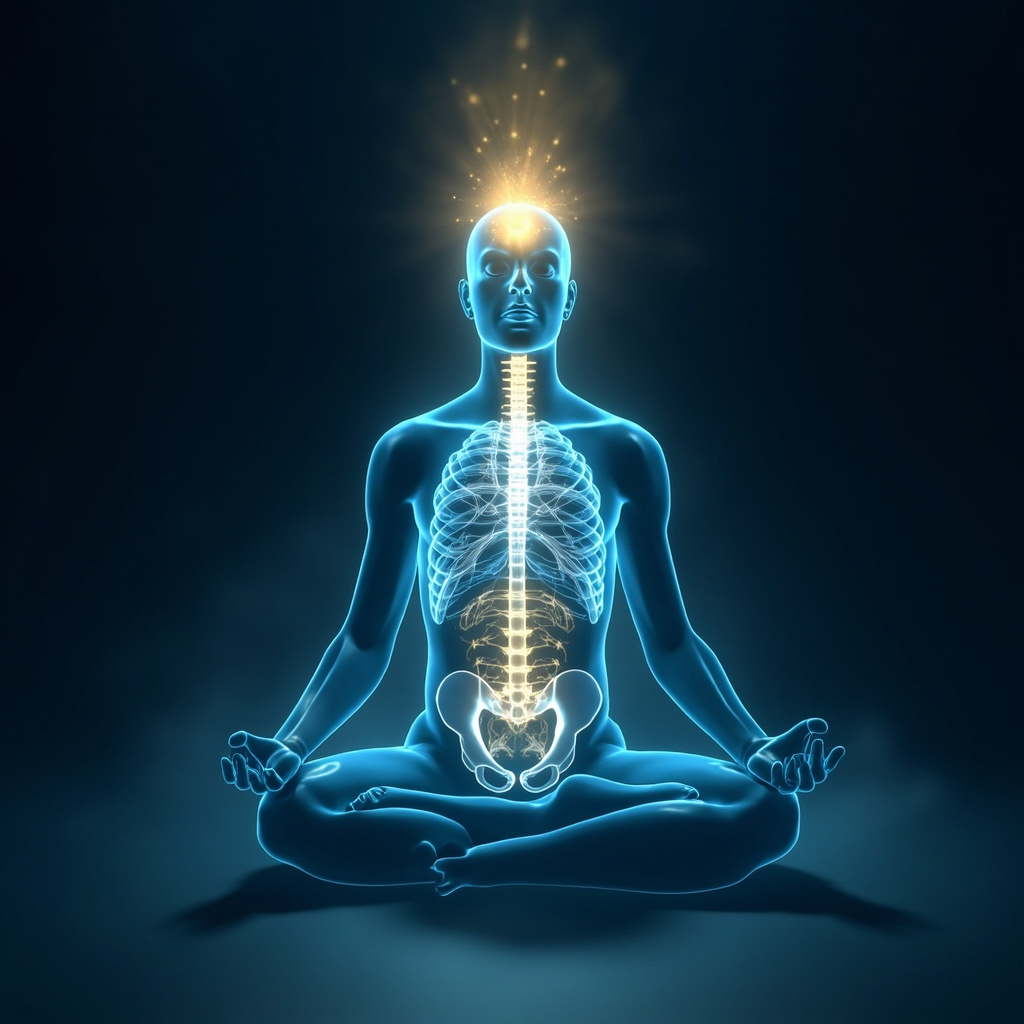
Understanding the Adrenal Cortex
The adrenal cortex forms the outer layer of the adrenal glands, small organs perched on top of your kidneys. It produces vital hormones such as cortisol, aldosterone, and androgens. These help control metabolism, blood pressure, immune function, and your body's response to stress. When balanced, it keeps your energy steady and supports daily health.
Think of it as your body's stress manager. In times of challenge, it ramps up cortisol to give you quick energy and focus. Once the pressure eases, levels drop back to normal. This cycle maintains homeostasis, or your internal balance.
Links to Emotions and Stress
Beyond physical roles, the adrenal cortex ties deeply to emotions. High activity often signals intense stress, fear, or survival worries. You might feel overwhelmed by demands, threatened by uncertainty, or anxious about the future. These feelings can strain the cortex, leading to ongoing tension.
For example, constant worry keeps cortisol elevated, disrupting sleep, mood, and immunity. Emotional conflicts around control or security amplify this. Recognizing these patterns is key to healing.
Signs of Imbalance
When the adrenal cortex struggles, symptoms appear:
- Persistent fatigue, even after rest
- Weight fluctuations, especially around the midsection
- Blood pressure swings
- Weakened immunity and frequent illnesses
- Anxiety, irritability, or low mood
Too little hormone output (like in Addison's disease) brings exhaustion and low pressure. Excess (Cushing's syndrome) causes weight gain and muscle weakness. Stress often tips the scale toward overproduction.
Meditation's Role in Regulation
Meditation offers a gentle way to support the adrenal cortex. Practices calm the hypothalamic-pituitary-adrenal (HPA) axis, the brain-body pathway that triggers cortisol release. Studies show mindfulness and similar techniques lower cortisol effectively.
Recent research highlights Heartfulness meditation reducing stress hormones while boosting well-being markers like oxytocin. Participants saw clear drops in cortisol after regular practice, easing anxiety and improving resilience.
As a meditation coach, I track heart rate variability (HRV) and stress biomarkers to guide sessions. Higher HRV signals better parasympathetic activation-your rest-and-restore mode. Meditation strengthens this, countering adrenal overdrive.
Practical Meditation Techniques
Start simple to nurture your adrenal cortex:
Breath Awareness
Sit comfortably. Inhale for 4 counts, hold 4, exhale 6. Focus on the breath's rhythm. This slows the HPA axis, cutting cortisol within minutes.
Body Scan
Lie down. Mentally scan from toes to head, releasing tension. Visualize the adrenal glands bathed in calm light, easing their burden.
Loving-Kindness Practice
Repeat: "May I be safe. May I be peaceful." This shifts from fear to compassion, balancing emotional stress.
Aim for 10-20 minutes daily. Over time, you'll notice steadier energy and mood.
Using the Adrenal Cortex as a Resource
A healthy cortex aids the whole body. It regulates stress for others, stabilizes blood pressure, and fuels metabolism. In meditation, invite it as an ally: "Adrenal cortex, support my calm and strength."
Direct attention here during sessions to build resilience. It helps organs like the heart and brain handle challenges.
Building Lasting Calm
Combine meditation with rest, nutrition, and nature walks. Monitor progress through feelings of ease and vitality. If stress lingers, biomarkers from electrical activity scans reveal cortex status, guiding deeper work.
For more: /body/122-cortex
Embrace these practices for emotional balance and adrenal harmony. Inner peace starts with one breath.
- 1. digitalcommons.liberty.edu
- 2. frontiersin.org
- 3. sciencedirect.com
- 4. researchgate.net
- 5. pmc.ncbi.nlm.nih.gov
- 6. oshercenter.org
- 7. eng.cam.ac.uk
- 8. pmc.ncbi.nlm.nih.gov
- 9. pubmed.ncbi.nlm.nih.gov
- 10. youtube.com
- 11. ucdavis.edu
- 12. amjmed.com
- 13. pmc.ncbi.nlm.nih.gov
- 14. sciencedirect.com
- 15. droracle.ai
- 16. novowellnesscenter.com
- 17. sciencedirect.com
- 18. jmatonline.com
- 19. va.gov
- 20. europepmc.org
- 21. mdpi.com
- 22. tandfonline.com
- 23. insighttimer.com
- 24. digitalcommons.liberty.edu
- 25. tandfonline.com
- 26. pmc.ncbi.nlm.nih.gov
- 27. youtube.com
- 28. researchgate.net
- 29. pubmed.ncbi.nlm.nih.gov
- 30. onlinelibrary.wiley.com
- 31. nepjol.info
- 32. stillsitting.com
- 33. faseb.onlinelibrary.wiley.com
- 34. tandfonline.com
Related posts
Glossary
- Energy and mind Structures > Focused Coherence; Focus
- Energy and mind Structures > Scale
- Energy and mind Structures > Security
- Energy and mind Structures > Peace
- Energy and mind Structures > Exhaustion
- Energy and mind Structures > Immunity
- Body zones > glands
- Body zones > cortex
- Body zones > head
- Body zones > hormones
- Body zones > kidneys
- Body zones > parasympathetic
- Energy and mind Structures > Organs
- TCM Recipes > Emotional Balance: A TCM Guide to Calm Anxiety & Insomnia
- TCM Recipes > Heart Health: Remedies for Anxiety and Palpitations
- TCM Recipes > Brain Boost: Clear Fog, Improve Focus & Memory
- TCM Recipes > Adrenal Support: Remedies for Fatigue and Stress
- Energy and mind Structures > sleep
- Energy and mind Structures > vitality
- Energy and mind Structures > blood pressure
- Energy and mind Structures > Theta; 4.31-6.97 Hz. Light sleep, meditation.
- Energy and mind Structures > Stress
- Stimuli > Cortisol
- Stimuli > AIDS
- Stimuli > Harmony
- Stimuli > Blood
- Stimuli > Oxytocin
- Stimuli > GAPDH, Metabolism