


Chest: Breath, Protection, Emotional Calm
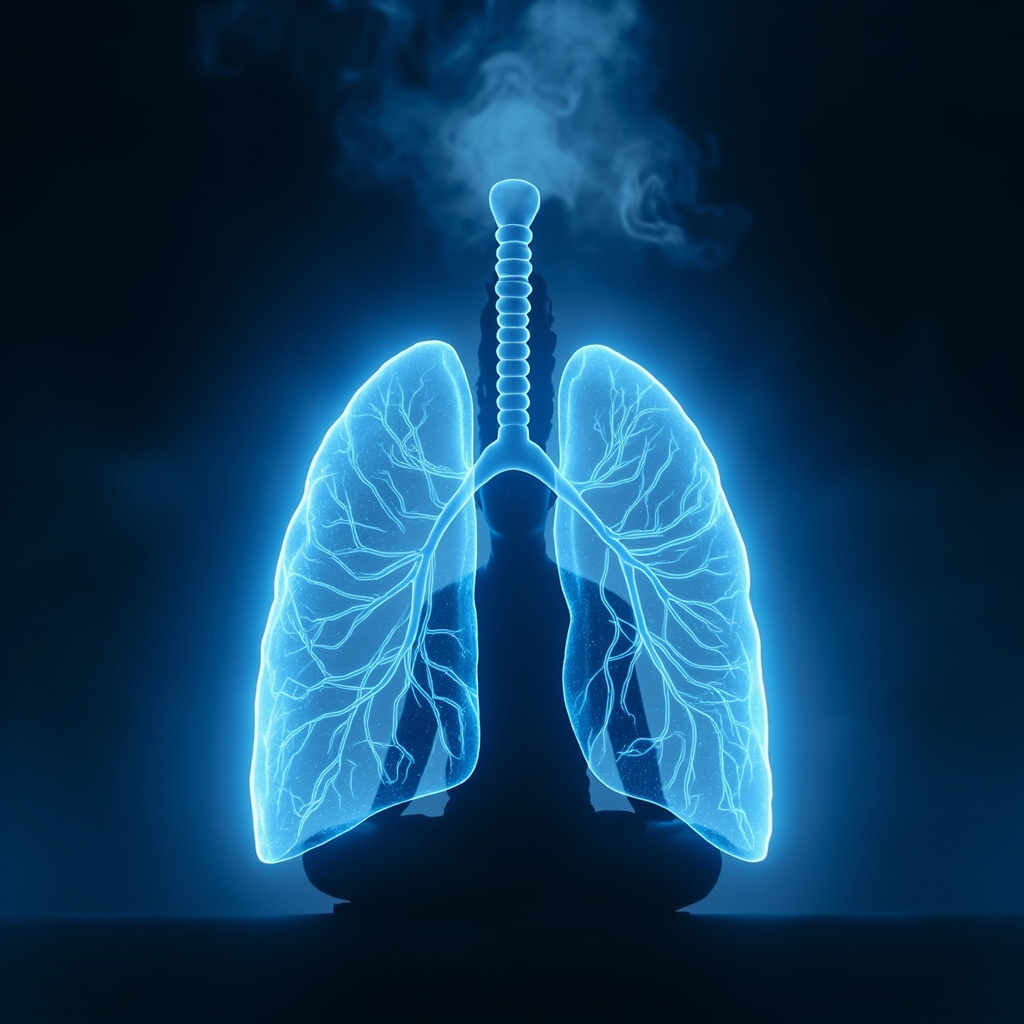
The chest sits between the neck and abdomen. It forms the thoracic cavity protected by the rib cage. Inside, the heart pumps life-giving blood, and the lungs fill with air for every breath. Learn more about the chest.
Physical Role of the Chest
A healthy chest does essential work:
- Enables deep, steady breathing to oxygenate the body.
- Shields the heart and lungs from injury.
- Supports smooth cardiovascular flow and strong respiratory health.
When balanced, it keeps energy moving freely. Oxygen reaches every cell, boosting vitality and recovery.
Emotional Connections to the Chest
Beyond the physical, the chest holds deep feelings. It relates to:
- Vulnerability and opening to love.
- A sense of safety and self-protection.
- Processing grief or emotional hurts.
Tightness here might signal fear of hurt or trouble giving and receiving love. Balanced emotions flow like breath, fostering trust in relationships and inner peace.
Signs of Chest Imbalance
Imbalance can show as:
- Shallow breathing or chest tightness.
- Heart or lung strain, like high blood pressure or shortness of breath.
- Emotional blocks, such as guardedness or unexplained sadness.
These signal a need for gentle care to restore harmony.
The Chest as a Resource
A strong chest aids the whole body:
- Delivers oxygen to organs for better function.
- Promotes emotional openness and love expression.
- Protects vital parts, supporting overall balance.
Tap into it for energy balance and stress relief.
Meditation for Chest Harmony
Meditation regulates the nervous system, easing stress biomarkers like HRV (heart rate variability, a measure of heart flexibility). Practices focus breath and awareness here.
Simple Breathing Exercise
- Sit comfortably, hands on chest.
- Inhale slowly for 4 counts, feel expansion.
- Hold 4 counts, notice calm.
- Exhale 6 counts, release tension.
- Repeat 10 minutes daily.
This boosts parasympathetic activity for rest and digest.
Mindfulness for Emotions
Guide attention to the chest:
- Visualize warm light filling heart and lungs.
- Affirm: "I am safe. I open to love."
- Observe feelings without judgment.
These build emotional regulation and clarity.
Recent studies support this. A 2025 systematic review of 23 trials found meditation lowers heart rate, blood pressure, and stress while improving HRV and respiration. Slow breathing practices showed strong results in autonomic balance. Another landmark trial showed Transcendental Meditation cut major heart events by 65% over five years in high-risk groups, with lasting effects.
Build Lasting Calm
Regular practice refines breathing patterns and mental clarity. Track progress by noting easier breaths and lighter emotions. Use contemplative sits to tune into chest energy.
As a meditation coach, I see clients gain resilience through these steps. Start small for big shifts in chest health and inner peace.
- 1. youtube.com
- 2. pubmed.ncbi.nlm.nih.gov
- 3. pubmed.ncbi.nlm.nih.gov
- 4. medrxiv.org
- 5. healthcare-bulletin.co.uk
- 6. heartandlung.org
- 7. pmc.ncbi.nlm.nih.gov
- 8. youtube.com
- 9. pubmed.ncbi.nlm.nih.gov
- 10. surgery.wustl.edu
- 11. lvhn.org
- 12. pubmed.ncbi.nlm.nih.gov
- 13. pubmed.ncbi.nlm.nih.gov
- 14. sciencedirect.com
- 15. link.springer.com
- 16. pmc.ncbi.nlm.nih.gov
- 17. biorxiv.org
- 18. psychologytoday.com
- 19. eastvalleynd.com
- 20. pubmed.ncbi.nlm.nih.gov
- 21. goodsky.com.au
- 22. pubmed.ncbi.nlm.nih.gov
- 23. youtube.com
- 24. researchgate.net
- 25. sciencedirect.com
- 26. cardiovascularbusiness.com
- 27. pmc.ncbi.nlm.nih.gov
- 28. pilgrimageyoga.com
- 29. healthcare-bulletin.co.uk
- 30. sentaraproviderresources.com
- 31. pubmed.ncbi.nlm.nih.gov
- 32. youtube.com
- 33. frontiersin.org
- 34. news.miu.edu
- 35. pubmed.ncbi.nlm.nih.gov
- 36. my.clevelandclinic.org
- 37. nature.com
- 38. thelancet.com
- 39. pubmed.ncbi.nlm.nih.gov
- 40. resetbigsky.com
Related posts
Glossary
- Energy and mind Structures > oxygen
- Energy and mind Structures > Focused Coherence; Focus
- Energy and mind Structures > Regulation
- Energy and mind Structures > Mental
- Energy and mind Structures > Sadness
- Energy and mind Structures > Love
- Energy and mind Structures > Peace
- Body zones > lungs
- Body zones > parasympathetic
- Body zones > respiratory
- Body zones > chest
- Energy and mind Structures > Organs
- TCM Recipes > Stress Relief for High Blood Pressure: A TCM Approach
- TCM Recipes > Heart Health: Remedies for Anxiety and Palpitations
- TCM Recipes > Lung Support: A TCM Recipe for Respiratory Health
- Energy and mind Structures > blood pressure
- Energy and mind Structures > Theta; 4.31-6.97 Hz. Light sleep, meditation.
- Energy and mind Structures > Stress
- Stimuli > Moon - Nasal Passage, Breathing, Taste
- Stimuli > AIDS
- Stimuli > Harmony
- Stimuli > Blood