


Hindbrain: Breath, Balance, Survival Calm
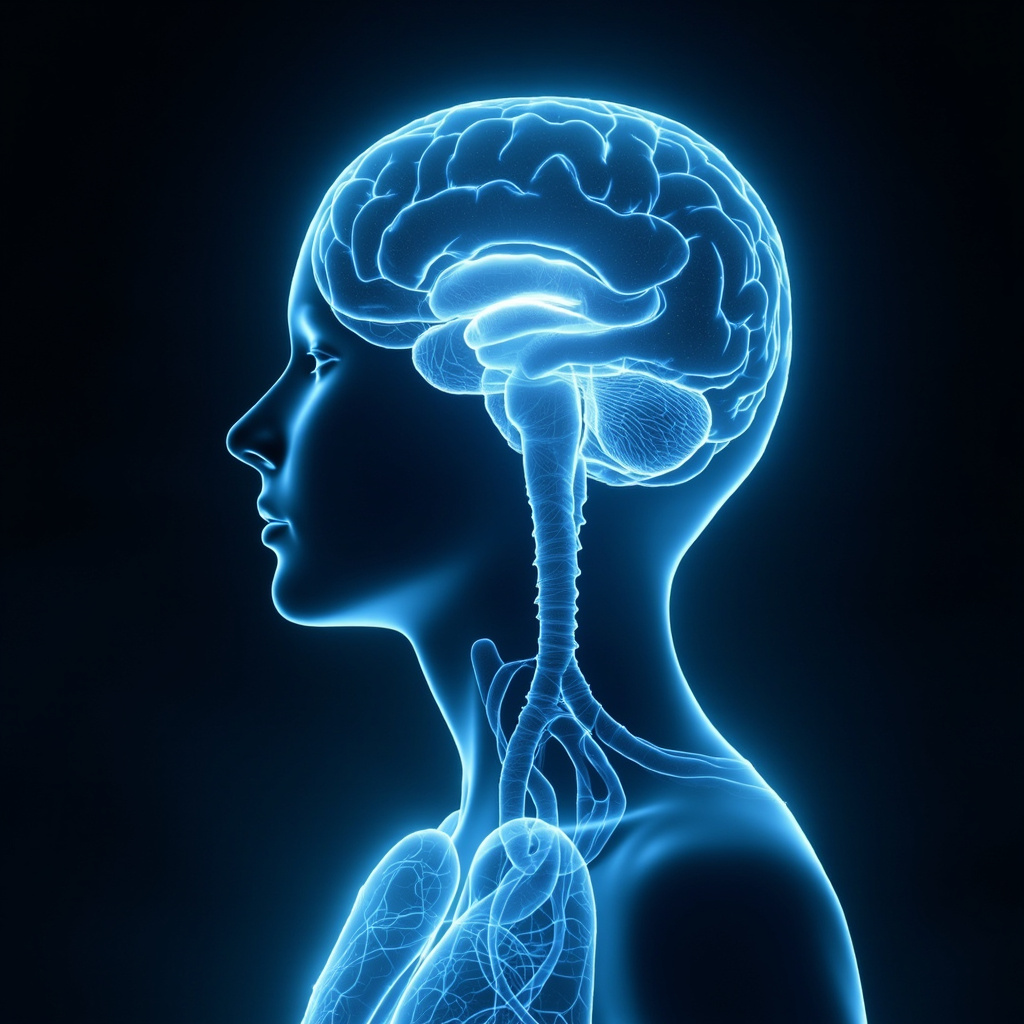
What is the Hindbrain?
The hindbrain sits at the base of your brain, like a sturdy foundation. It includes parts called the medulla oblongata, pons, and cerebellum. Learn more in our glossary.
This area quietly manages life's basics:
- Heart rate to keep blood flowing steadily.
- Breathing to fill your lungs with ease.
- Movement coordination for smooth steps and actions.
When it works well, you feel grounded and in control. Everyday tasks happen without effort.
Signs Your Hindbrain Needs Attention
If the hindbrain feels off, you might notice:
- Dizziness or lightheaded moments.
- Trouble keeping balance.
- Shallow or uneven breathing.
- Jerky movements or coordination slips.
These can stem from physical strain or deeper emotional pressures. Think of it as your body's alarm for survival needs.
The Emotional Side of the Hindbrain
Deep down, the hindbrain links to survival instincts. It reacts to feelings of fear, insecurity, or lack of support. When stress builds-maybe from daily worries or past fears-it can tighten these instincts.
This shows up physically:
Stress biomarkers like heart rate variability (HRV)-a simple measure of how your heart beats vary-drop. Low HRV signals your body is stuck in alert mode, not rest.
How Meditation Brings Hindbrain Balance
Meditation is a gentle way to soothe the hindbrain. It activates your rest response, easing survival fears.
Start with Breath Awareness
Focus on your breath:
- Sit comfortably, feet on the ground.
- Notice air entering and leaving your nose.
- If mind wanders to worries, return to breath.
This mirrors hindbrain work, calming breath and heart naturally. Over time, HRV improves, showing more relaxation.
Body Scan for Coordination
Lie down and scan from toes to head:
- Tense and release each muscle group.
- Picture steady energy flowing through limbs.
This rebuilds hindbrain's coordination signals, reducing dizziness.
Mindfulness for Emotional Roots
Sit quietly and observe feelings:
- Name fears without judgment: "I feel insecure."
- Breathe into the base of your skull.
Regular practice lowers agitation biomarkers, fostering emotional stability.
Studies show mindfulness boosts parasympathetic activity-the rest branch of your nervous system-directly supporting hindbrain functions.
Using Hindbrain as a Resource
A balanced hindbrain becomes your ally. It steadies heart rate for other organs under stress. It smooths breathing for lung health. Coordination aids whole-body movement.
In meditation, invite it: "Hindbrain, guide my breath and steps with calm strength."
This inner support builds resilience against daily stressors.
Daily Practices for Lasting Calm
- Morning breath ritual: 5 minutes deep belly breaths.
- Evening scan: Release day's tensions from base of brain.
- Track progress: Notice steadier steps, easier breath.
Consistency matters. Even short sessions shift biomarkers toward calm.
The hindbrain teaches us: survival thrives in peace, not panic. Through meditation, reclaim this foundation for vibrant health.
Related posts
Glossary
- Energy and mind Structures > Peace
- Energy and mind Structures > Relax
- Body zones > head
- Body zones > lungs
- Body zones > muscles
- Body zones > nose
- Body zones > parasympathetic
- Body zones > hindbrain
- Energy and mind Structures > Organs
- TCM Recipes > Heart Health: Remedies for Anxiety and Palpitations
- TCM Recipes > Lung Support: A TCM Recipe for Respiratory Health
- TCM Recipes > Brain Boost: Clear Fog, Improve Focus & Memory
- Energy and mind Structures > movement
- Energy and mind Structures > Limbs, skin
- Energy and mind Structures > Theta; 4.31-6.97 Hz. Light sleep, meditation.
- Energy and mind Structures > Stress
- Stimuli > Moon - Nasal Passage, Breathing, Taste
- Stimuli > AIDS
- Stimuli > Blood