


Cladosporium herbarum: TCM Lung Harmony Path
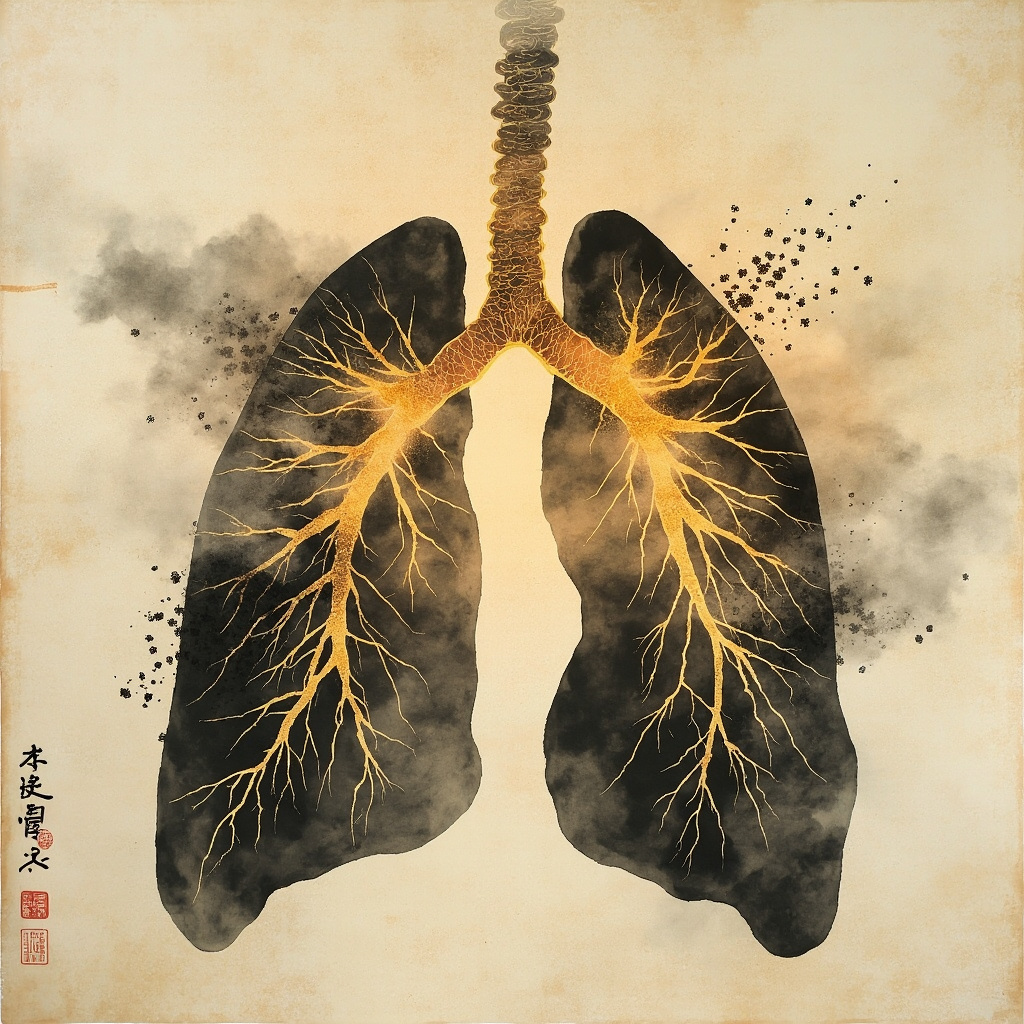
Cladosporium herbarum is a widespread mold found on plants, in soil, and even indoors on damp surfaces. Its tiny spores float in the air, and when breathed in, they can irritate the lungs and airways. In Traditional Chinese Medicine (TCM), we see this as a challenge to the lungs, the organ that governs the intake of qi-our vital life energy-and protects the body from external invaders.
While often harmless, this mold becomes a concern for those sensitive to it, sparking allergy symptoms. Recent insights confirm it as a leading cause of inhaled mold allergies worldwide. For more on its profile, see the glossary.
Respiratory Effects: A TCM Perspective
The lungs in TCM belong to the metal element, linked to the skin and large intestine. They regulate breathing and circulate defensive qi to fend off wind and dampness-external factors like mold spores. When Cladosporium herbarum disrupts this, symptoms appear:
- Sneezing and runny nose
- Coughing and wheezing
- Tight chest and shortness of breath
- Itchy eyes or throat
These mimic an attack on the lung's boundary, much like wind invading in TCM terms. Prolonged exposure may lead to asthma flares or chronic irritation, weakening qi flow and fostering dampness-a sticky, heavy quality that clogs the system.
In vulnerable people, it can contribute to hypersensitivity pneumonitis, an inflammatory response in the lung tissue. This aligns with TCM's view of untransformed pathogens lingering, causing heat or phlegm buildup.
Emotional Connections
TCM teaches that organs hold emotions. The lungs connect to grief and sadness, but Cladosporium herbarum imbalances often stir anxiety, irritation, and frustration. Breathing difficulties heighten worry about health and daily comfort, especially in moldy homes. This creates a cycle: emotional distress tightens the chest, further blocking qi.
When out of harmony, the mold evokes discomfort in the body and mind. Yet, viewed as a resource, it supports healing-clearing respiratory woes, easing anxiety, and promoting a balanced indoor space.
Assessing Imbalances
TCM practitioners evaluate through pulse, tongue, and symptoms. Biomarkers from body electrical activity offer modern insights into energy states, agitation, and links-revealing if lung qi is deficient or invaded by damp allergens.
Key signs include:
- Pale tongue with white coating (dampness)
- Weak pulse at lung position
- Fatigue alongside breath issues
We relate this to five elements: metal (lungs) weakened by wood (liver stress) or fed poorly by earth (spleen dampness).
Pathways to Harmony
Restoring balance focuses on strengthening lungs, expelling damp, and smoothing qi. Strategies include:
Dietary Adjustments
- Warm, drying foods: ginger, garlic, pears
- Avoid cold, dairy, sweets that breed damp
Herbal Support
Formulas like Xiao Chai Hu Tang clear pathogens while tonifying qi. Or Jade Screen Powder bolsters defensive energy against allergens.
Acupuncture and Meridians
Points on lung and large intestine meridians (LU1, LI4) open airways and calm the spirit. This enhances heart rate variability, signaling autonomic balance-as shown in recent studies on acupuncture for allergies.
Breath and Movement
Qigong or Tai Chi deepens lung qi, much like meta-analyses praise for boosting variability and resilience.
Lifestyle Shifts
Reduce exposure: ventilate homes, fix leaks, use dehumidifiers. Pair with mindfulness to release anxiety.
When as a Resource
In harmony, Cladosporium herbarum aids by resolving lung irritation, lifting emotional fog, and supporting clean environments. Targeted resonance frequencies attune its structure, while guided journeys direct attention to it as priority or ally.
By bridging ancient wisdom with biomarkers, TCM transforms mold challenges into opportunities for vitality. Clear breath invites joy; balanced qi fosters peace. Consult a practitioner for personalized paths.
(Word count: 612)
- 1. mdpi.com
- 2. sciencedirect.com
- 3. pmc.ncbi.nlm.nih.gov
- 4. researchgate.net
- 5. youngpediatrician.com
- 6. researchsquare.com
- 7. youtube.com
- 8. yourhealthmagazine.net
- 9. linkedin.com
- 10. thermofisher.com
- 11. gbif.org
- 12. link.springer.com
- 13. onlinelibrary.wiley.com
- 14. healthline.com
- 15. anchormedicalcenter.com
- 16. droracle.ai
- 17. medicalnewstoday.com
- 18. ejcrim.com
- 19. jstage.jst.go.jp
- 20. airallergy.sciensano.be
- 21. researchgate.net
- 22. researchgate.net
- 23. linkedin.com
- 24. pmc.ncbi.nlm.nih.gov
- 25. inspq.qc.ca
- 26. awarticles.s3.amazonaws.com
- 27. newfoodmagazine.com
- 28. mynectar.com
- 29. jtd.amegroups.org
- 30. library.bustmold.com
- 31. nature.com
- 32. thermofisher.com
- 33. pmc.ncbi.nlm.nih.gov
- 34. pmc.ncbi.nlm.nih.gov
- 35. pubmed.ncbi.nlm.nih.gov
- 36. thermofisher.com
- 37. frontiersin.org
- 38. droracle.ai
- 39. mycology.adelaide.edu.au
- 40. sciencedirect.com
Related posts
Glossary
- Energy and mind Structures > Structure
- Energy and mind Structures > Metal
- Energy and mind Structures > Earth
- Energy and mind Structures > Wood
- Energy and mind Structures > Peace
- Energy and mind Structures > Cladosporium herbarum
- Body zones > lungs
- Body zones > respiratory
- Body zones > tongue
- Body zones > chest
- Body zones > eyes
- Energy and mind Structures > Organs
- TCM Recipes > Breathe Easy: Relief for Asthma Symptoms
- TCM Recipes > Allergy Relief: Natural Solutions for Respiratory Comfort
- TCM Recipes > Skin Health: Remedies for Acne and Eczema
- TCM Recipes > Lung Support: A TCM Recipe for Respiratory Health
- TCM Recipes > Boost Your Energy: A TCM Recipe for Fatigue Relief
- Energy and mind Structures > vitality
- Energy and mind Structures > pathogens
- Energy and mind Structures > Panchaka; Large intestine
- Stimuli > Ginger
- Stimuli > Sneezing
- Stimuli > Moon - Nasal Passage, Breathing, Taste
- Stimuli > AIDS
- Stimuli > Lead
- Stimuli > Harmony
see also...
- Energy and mind Structures > Panchaka; Large intestine
- Energy and mind Structures > Body zones > eyes
- Energy and mind Structures > TCM Recipes > Tension Headache Relief: A Natural Approach to Ease Stress
- Testimonials > 61% Drop in Nausea and 58% in Headaches from Sound Therapy
- Binaural beats > Stimuli > Sacral, Zinc Etc