


Vascular Chest: TCM Emotional Flow Hub
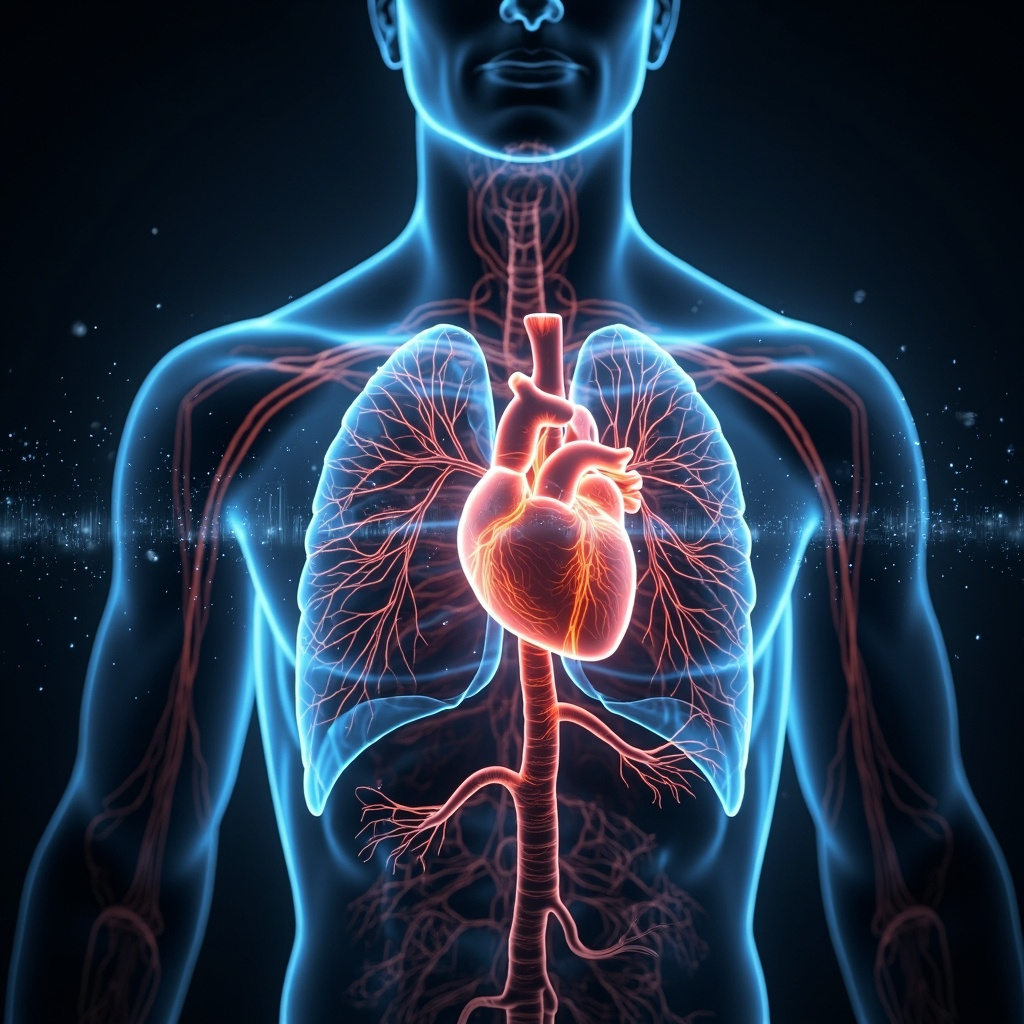
The Vascular Chest: Center of Circulation
The vascular chest refers to the network of major blood vessels in the upper torso, surrounding vital organs like the heart and lungs. It plays a crucial role in moving oxygen-rich blood from the lungs to the rest of the body and returning oxygen-poor blood for replenishment. Proper function here supports energy levels, organ health, and overall vitality. For more details, see the glossary.
When everything works well, you breathe easily, your heart pumps steadily, and your body feels light and capable.
Signs of Physical Imbalance
Issues in the vascular chest can show up as:
- Chest pain or tightness: Often triggered by activity or stress.
- Shortness of breath: Difficulty getting enough air.
- Fatigue: Low energy due to poor oxygen delivery.
- Swelling in limbs: From blocked circulation.
These symptoms signal that blood flow is restricted, affecting the whole body.
Emotional Links to the Vascular Chest
In Traditional Chinese Medicine (TCM), physical health mirrors emotional states. The chest, especially its vessels, holds feelings of pressure and burden. Do you feel overwhelmed by responsibilities, like carrying a heavy load? Fears about handling life's demands or unresolved grief and sadness often settle here.
The heart, governed by the fire element, relates to joy and connection. When joy is blocked by stress, vessels tighten. The lungs, tied to the metal element, process grief through breath. Stagnant emotions disrupt qi (vital energy) flow, leading to tension in chest vessels.
TCM Perspective: Harmony Through Balance
TCM views the vascular chest as a hub for heart-lung harmony. Meridians-energy pathways-run through this area, carrying qi to support circulation and respiration. Imbalances might stem from:
- Qi stagnation: From pent-up emotions.
- Blood deficiency: Lacking nourishment for vessels.
- Yin-yang disharmony: Too much heat (stress) or cold (withdrawal).
Practitioners assess these through signs like pulse, tongue, and now modern biomarkers from electrical activity readings. These reveal energy levels, agitation, and connections in the chest.
Chest Vessels as a Resource
A balanced vascular chest aids the body by:
- Delivering oxygen to tired organs.
- Easing emotional weight through deep breathing.
- Promoting overall harmony, linking physical flow with inner calm.
Call on it during meditation: Visualize warm blood flowing freely, releasing burdens with each exhale.
Aligning Ancient Wisdom with Modern Research
Recent studies echo TCM. One 2025 trial combined vibroacoustic therapy-gentle sound vibrations-with Baduanjin exercises (a TCM form). It improved cardiac function, reduced anxiety, and boosted mood in participants. Vibrations at specific frequencies resonate with body tissues, much like targeted audio in harmony practices. This supports circulation and stress relief, mirroring qi flow restoration.
Mind-body practices like Tai Chi also enhance heart rate variability, a marker of autonomic balance in the chest.
Practical Steps for Chest Harmony
Support your vascular chest daily:
- Deep belly breathing: 10 minutes to open lungs and vessels.
- Gentle movement: Walking or qigong to circulate qi.
- Emotional release: Journal about pressures; forgive past griefs.
- TCM aids: Warm foods for heart (ginger tea), herbs like hawthorn for vessels.
Targeted frequencies can resonate with chest structures, calming agitation. Guided inner journeys direct attention here, using words like 'release the weight' for priorities or 'draw strength from steady flow' as a resource.
By nurturing the vascular chest, you lift emotional burdens and energize your life. Harmony starts with awareness.
- 1. jamanetwork.com
- 2. journals.lww.com
- 3. clinicaltrials.gov
- 4. microcurrentneurofeedback.com
- 5. mdpi.com
- 6. sciencedirect.com
- 7. frontiersin.org
- 8. pubmed.ncbi.nlm.nih.gov
- 9. pdfs.semanticscholar.org
- 10. verywellmind.com
- 11. oatext.com
- 12. link.springer.com
- 13. mdpi.com
- 14. linkedin.com
- 15. pmc.ncbi.nlm.nih.gov
- 16. eurekalert.org
- 17. sciencedirect.com
- 18. scienceinhealth.com
- 19. onlinelibrary.wiley.com
- 20. cisteijournal.com
- 21. frontiersin.org
- 22. karger.com
- 23. tiktok.com
- 24. pmc.ncbi.nlm.nih.gov
- 25. instagram.com
- 26. scirp.org
- 27. pmc.ncbi.nlm.nih.gov
- 28. sciencedirect.com
- 29. journals.lww.com
- 30. nursing.ucla.edu
- 31. acaacupuncture.com
- 32. patents.google.com
- 33. drtanyakelloway.com
- 34. researchgate.net
- 35. frontiersin.org
- 36. frontiersin.org
- 37. facebook.com
- 38. balancewithinyou.com
- 39. facebook.com
- 40. pmc.ncbi.nlm.nih.gov
Related posts
Glossary
- Energy and mind Structures > oxygen
- Energy and mind Structures > Metal
- Energy and mind Structures > Fire
- Energy and mind Structures > Sadness
- Body zones > lungs
- Body zones > tissues
- Body zones > tongue
- Body zones > vascular
- Body zones > chest
- Body zones > chest
- Energy and mind Structures > Organs
- TCM Recipes > Circulation: Boost Energy and Warm Your Extremities
- TCM Recipes > Heart Health: Remedies for Anxiety and Palpitations
- Energy and mind Structures > vitality
- Energy and mind Structures > Vital organs
- Energy and mind Structures > Theta; 4.31-6.97 Hz. Light sleep, meditation.
- Energy and mind Structures > Stress
- Stimuli > Moon - Nasal Passage, Breathing, Taste
- Stimuli > AIDS
- Stimuli > Pain
- Binaural beats > Blood Vessels & Arteries: Boost Circulation & Well-Being
- Stimuli > Harmony
- Stimuli > Blood
see also...
- Energy and mind Structures > HRV
- Energy and mind Structures > Body zones > substantia nigra
- Energy and mind Structures > TCM Recipes > Tension Headache Relief: A Natural Approach to Ease Stress
- Testimonials > 61% Drop in Nausea and 58% in Headaches from Sound Therapy
- Binaural beats > Stimuli > Variolinum
- Binaural beats > Blood Vessels & Arteries: Boost Circulation & Well-Being