


Bladder: TCM's Guardian of Boundaries
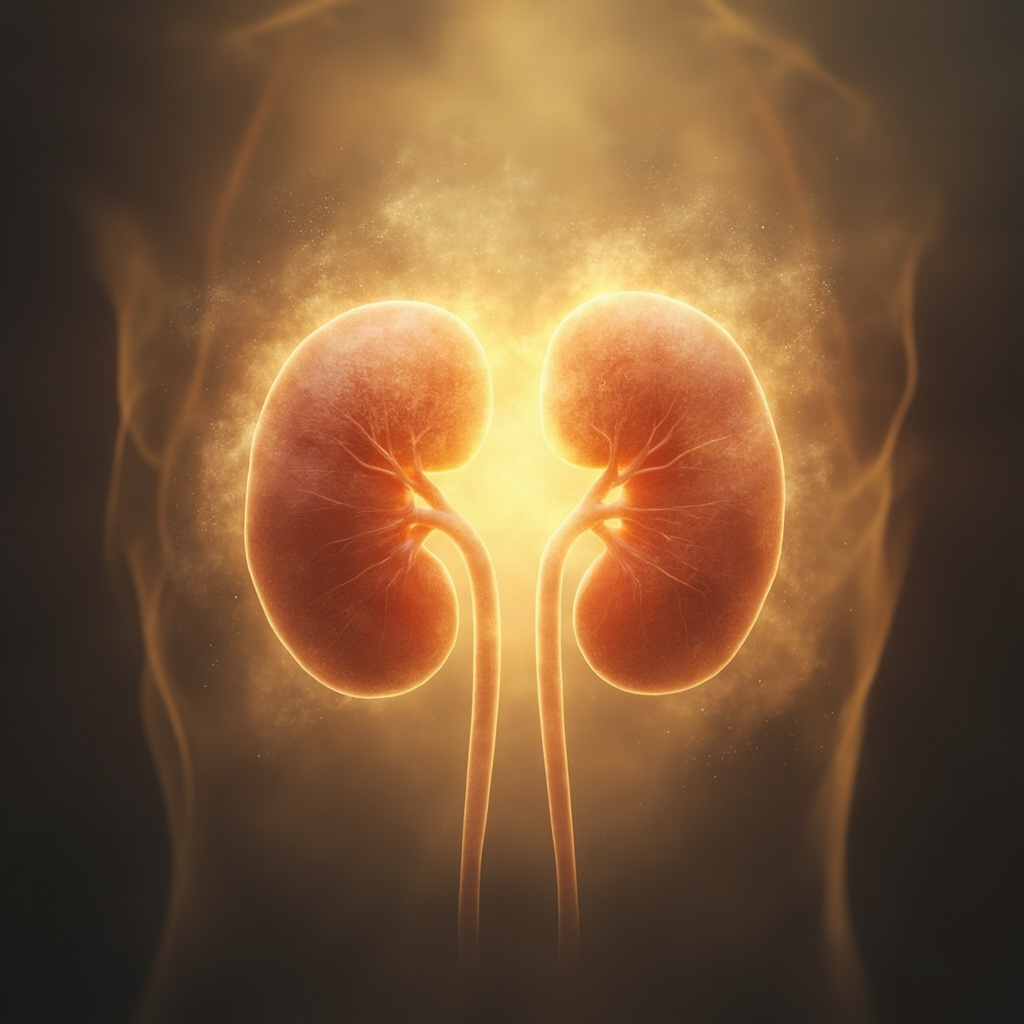
In Traditional Chinese Medicine (TCM), the bladder does more than store urine. It acts as a guardian, overseeing fluid balance and our inner sense of boundaries and control. This yang organ, paired with the yin kidney, belongs to the Water element, influencing both physical health and emotional well-being.
The Bladder's Physical Role
The bladder is a muscular sac in the pelvis that collects waste fluid from the kidneys. It holds urine until we choose to release it, maintaining continence and smooth urination. When healthy, it supports hydration and detoxification. Problems arise with weakness, leading to leaks, retention, or infections. Pain in the lower back or frequent urges often signal trouble, as the bladder meridian runs along the spine.
Bladder in TCM: Qi and Meridians
In TCM, the bladder transforms and excretes fluids through qi flow. Its meridian is the longest in the body, stretching from the inner eye, down the back in two lines, to the pinky toe. This path connects the head, spine, and legs, carrying vital energy. Blockages here can stagnate qi, causing stiffness, headaches, or urinary woes. The bladder relies on kidney essence for strength, ensuring smooth energy circulation.
Emotional Links to the Bladder
Emotions deeply affect the bladder. As part of the Water element, it ties to fear-the instinct to protect our territory. Feelings of invasion, loss of control, or insecurity can weaken it. Holding grudges, jealousy, or suspicion builds tension, like unpassed fluids. These stresses manifest as anxiety about personal space or fear of vulnerability. TCM sees emotional holding as dampness or cold invading the bladder, disrupting harmony between body and mind.
Signs of Imbalance
Watch for these clues:
- Physical: Urgent or weak urination, incontinence, bedwetting, lower abdominal pain, or backaches.
- Emotional: Restlessness over boundaries, fear of change, resentment, or difficulty letting go.
- Energy: Fatigue, cold limbs, or poor adaptability to stress.
Modern biomarker checks, from electrical activity scans, reveal the bladder mucosae's energy levels, agitation, and qualities. Low energy might show deficiency; high agitation, excess heat or tension.
Bladder as a Resource
A strong bladder aids the whole body. It regulates fluids, signals hydration needs, and removes waste. Emotionally, it fosters security and clear boundaries, supporting kidney vitality and overall calm. In TCM, calling on the bladder strengthens control and flow, helping other organs like the intestines or lungs.
Paths to Harmony
TCM offers gentle ways to balance the bladder:
- Acupuncture: Points along the meridian tonify qi and dispel dampness.
- Herbs: Formulas like Wu Ling San warm and drain excess fluids.
- Lifestyle: Stay hydrated but not over, warm the lower body, practice boundary-setting.
- Movement: Qigong flows activate the meridian, releasing emotional blocks.
Guided focus on the bladder-as a resource for stability or priority for healing-can shift its state. Its resonance supports fluid qi movement, easing both physical and emotional strains.
By honoring the bladder, we reclaim control, flow freely, and protect our inner territory. Harmony here ripples to joy, vitality, and peace.
- 1. creativesoultherapies.com
- 2. dovepress.com
- 3. pmc.ncbi.nlm.nih.gov
- 4. onlinelibrary.wiley.com
- 5. hendersonhealinghub.com
- 6. facebook.com
- 7. pmc.ncbi.nlm.nih.gov
- 8. journals.lww.com
- 9. myartofwellness.com
- 10. pmc.ncbi.nlm.nih.gov
- 11. pcdragonacu.com
- 12. pmc.ncbi.nlm.nih.gov
- 13. pmc.ncbi.nlm.nih.gov
- 14. pubmed.ncbi.nlm.nih.gov
- 15. acunelson.com
- 16. bodymatters.ie
- 17. naturalchoicemedicalclinic.com
- 18. nikkibostwick.com
- 19. acaacupuncture.com
- 20. pmc.ncbi.nlm.nih.gov
- 21. optimumenergyandwellness.com
- 22. sciencedirect.com
- 23. pmc.ncbi.nlm.nih.gov
- 24. link.springer.com
- 25. acuproacademy.com
- 26. pmc.ncbi.nlm.nih.gov
- 27. verywellmind.com
- 28. calandraacupuncture.com
- 29. albanacupuncture.com
- 30. drdebbie.co.za
- 31. pmc.ncbi.nlm.nih.gov
- 32. researchgate.net
- 33. texascenterforlifestylemedicine.org
- 34. sciencedirect.com
- 35. johannasacupuncture.com
- 36. pmc.ncbi.nlm.nih.gov
- 37. pmc.ncbi.nlm.nih.gov
- 38. infinityflexibility.com
Related posts
Glossary
- Energy and mind Structures > Focused Coherence; Focus
- Energy and mind Structures > Water
- Energy and mind Structures > Security
- Energy and mind Structures > Peace
- Energy and mind Structures > Letting go
- Body zones > head
- Body zones > bladder
- Energy and mind Structures > Organs
- TCM Recipes > Circulation: Boost Energy and Warm Your Extremities
- TCM Recipes > Boost Your Energy: A TCM Recipe for Fatigue Relief
- TCM Recipes > Digestive Relief: Remedies for Abdominal Pain & Nausea
- Energy and mind Structures > vitality
- Energy and mind Structures > fluids
- Energy and mind Structures > movement
- Energy and mind Structures > Limbs, skin
- Energy and mind Structures > Stress
- Stimuli > GSTM1, Detoxification
- Stimuli > AIDS
- Stimuli > Pain
- Stimuli > Bladder
- Stimuli > Harmony