


Capillaria Hepatica: Liver's Hidden Parasite
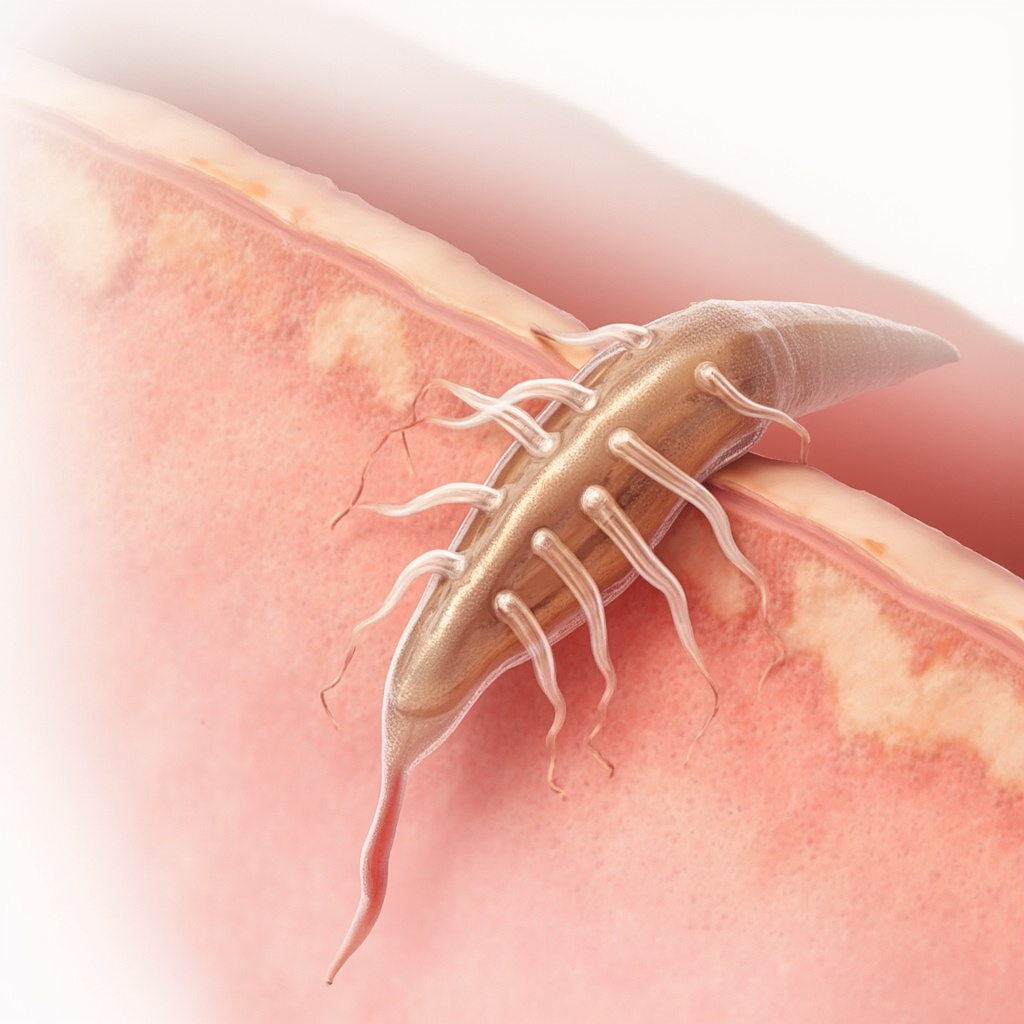
What is Capillaria Hepatica?
Capillaria hepatica is a slender nematode, a type of roundworm, that makes its home in the liver. It mostly affects rodents like rats, but can rarely jump to humans through contaminated soil, food, or water. Once inside, the adult worms burrow into liver tissue and lay eggs, leading to hepatic capillariasis-a condition marked by liver inflammation and damage. These eggs are tough, surviving in soil for weeks, waiting for a new host.
In humans, true infections are uncommon, with fewer than 200 cases reported worldwide. Children under nine and those in areas with poor sanitation or high rodent populations face higher risks. The parasite's life cycle depends on the host's death to release eggs, making it a silent, overlooked threat.
How Does It Enter the Body?
Infection happens when you accidentally ingest embryonated eggs from the environment. This can occur by:
- Eating unwashed vegetables or raw foods touched by contaminated soil.
- Drinking untreated water near rodent habitats.
- Close contact with dirt during play or gardening, especially in urban or rural spots with rats.
Rodents carry up to 70% infection rates in polluted areas. Eggs hatch in the intestines, larvae migrate to the liver via blood vessels, and mature worms start the damage within weeks. Unlike many parasites, eggs do not pass out in feces during life, so human-to-human spread is rare.
Signs and Symptoms to Notice
Early stages may show no issues with just a few worms. Heavier loads bring:
- Persistent fever and chills.
- Fatigue and loss of appetite.
- Abdominal pain, especially over the liver.
- Nausea, vomiting, or diarrhea.
- Enlarged liver (hepatomegaly) and jaundice in advanced cases.
Blood tests often reveal high eosinophils-white blood cells signaling parasite fights. Severe infections scar the liver (fibrosis), mimic tumors, or lead to failure. Lung symptoms like cough can appear if larvae wander.
The Emotional Side
Liver health ties closely to emotions. When burdened by invaders like Capillaria hepatica, you might feel anxiety, frustration, or helplessness from ongoing discomfort. Uncertainty about unexplained fatigue or pain stirs distress. The liver processes stress hormones, so inflammation here amplifies unease, mood dips, and fear of health decline.
Natural Support for Liver Recovery
As a naturopath, I focus on the body's healing power through gentle aids:
- Herbs for detox: Milk thistle protects liver cells and boosts regeneration. Dandelion root aids bile flow for cleansing.
- Immune boosters: Garlic and oregano offer antimicrobial punch. Probiotics restore gut-liver balance.
- Adaptogens: Ashwagandha eases stress, supporting energy without overload.
- Diet shifts: Favor bitter greens, beets, and turmeric for anti-inflammatory effects. Avoid sugars that feed imbalance.
- Lifestyle: Stay hydrated, move daily, and prioritize sleep for repair.
These align with monitoring biomarkers for detoxification, immunity, and vitality. Early trends guide tailored plans, like lymphatic support or anti-inflammatory herbs.
Turning Challenge into Resource
When in harmony, Capillaria hepatica signals can aid healing. It highlights liver needs, promoting reduced inflammation and security. In assessments of body electrical activity, we view its energy, agitation, qualities, and links. Balancing uses resonance frequencies in sessions, with guided words like: "Sense the liver's gentle strength emerging, releasing tension, welcoming calm restoration."
This fosters an inner voyage to vitality. For more, see the glossary: /energy_mind/1478-Capillariahepaticaliver.html.
Stay vigilant with hygiene and rodent control. Your liver thrives with natural nurture.
- 1. researchgate.net
- 2. nicoleapelian.com
- 3. pmc.ncbi.nlm.nih.gov
- 4. cdc.gov
- 5. cabidigitallibrary.org
- 6. medshadow.org
- 7. healthline.com
- 8. iaeme.com
- 9. youtube.com
- 10. ars.usda.gov
- 11. sciencedirect.com
- 12. sciencedirect.com
- 13. journals.asm.org
- 14. ebsco.com
- 15. webmd.com
- 16. ganeshdiagnostic.com
- 17. frontiersin.org
- 18. pmc.ncbi.nlm.nih.gov
- 19. animaldiversity.org
- 20. link.springer.com
- 21. wonderlabs.com
- 22. pmc.ncbi.nlm.nih.gov
- 23. brieflands.com
- 24. malacards.org
- 25. mfm.au
- 26. my.clevelandclinic.org
- 27. journals.asm.org
- 28. marinemammalcenter.org
- 29. rupahealth.com
- 30. en.wikipedia.org
- 31. medicoverhospitals.in
- 32. hadassahhealingoils.com
- 33. cdc.gov
- 34. drameet.com
- 35. mdpi.com
- 36. timesofindia.indiatimes.com
- 37. pmc.ncbi.nlm.nih.gov
- 38. pmc.ncbi.nlm.nih.gov
Related posts
Glossary
- Energy and mind Structures > Focused Coherence; Focus
- Energy and mind Structures > Water
- Energy and mind Structures > Security
- Energy and mind Structures > Capillaria hepatica (liver)
- Body zones > hormones
- Body zones > face
- TCM Recipes > Cough Relief: A Simple TCM Recipe for Chest Tightness
- TCM Recipes > Lymphatic Support: Boost Immunity & Reduce Swelling
- TCM Recipes > Liver Health: A TCM Recipe for Balance and Calm
- TCM Recipes > Lung Support: A TCM Recipe for Respiratory Health
- TCM Recipes > Boost Your Energy: A TCM Recipe for Fatigue Relief
- TCM Recipes > Digestive Relief: Remedies for Abdominal Pain & Nausea
- Energy and mind Structures > sleep
- Energy and mind Structures > vitality
- Energy and mind Structures > Stress
- Stimuli > Oregano
- Stimuli > AIDS
- Stimuli > Jaundice
- Stimuli > Pain
- Binaural beats > Inflammation Relief: Heal Faster with Binaural Beats
- Binaural beats > Blood Vessels & Arteries: Boost Circulation & Well-Being
- Stimuli > Worms
- Stimuli > Parasites
- Stimuli > Lead
- Stimuli > Harmony
- Stimuli > Blood
see also...
- Energy and mind Structures > HRV
- Energy and mind Structures > Body zones > thoracic
- Energy and mind Structures > TCM Recipes > Digestive Relief: Remedies for Abdominal Pain & Nausea
- Testimonials > 61% Drop in Nausea and 58% in Headaches from Sound Therapy
- Binaural beats > Stimuli > Variolinum
- Binaural beats > Blood Vessels & Arteries: Boost Circulation & Well-Being