


Streptococcus mutans 4.: Nutrition for Oral Balance
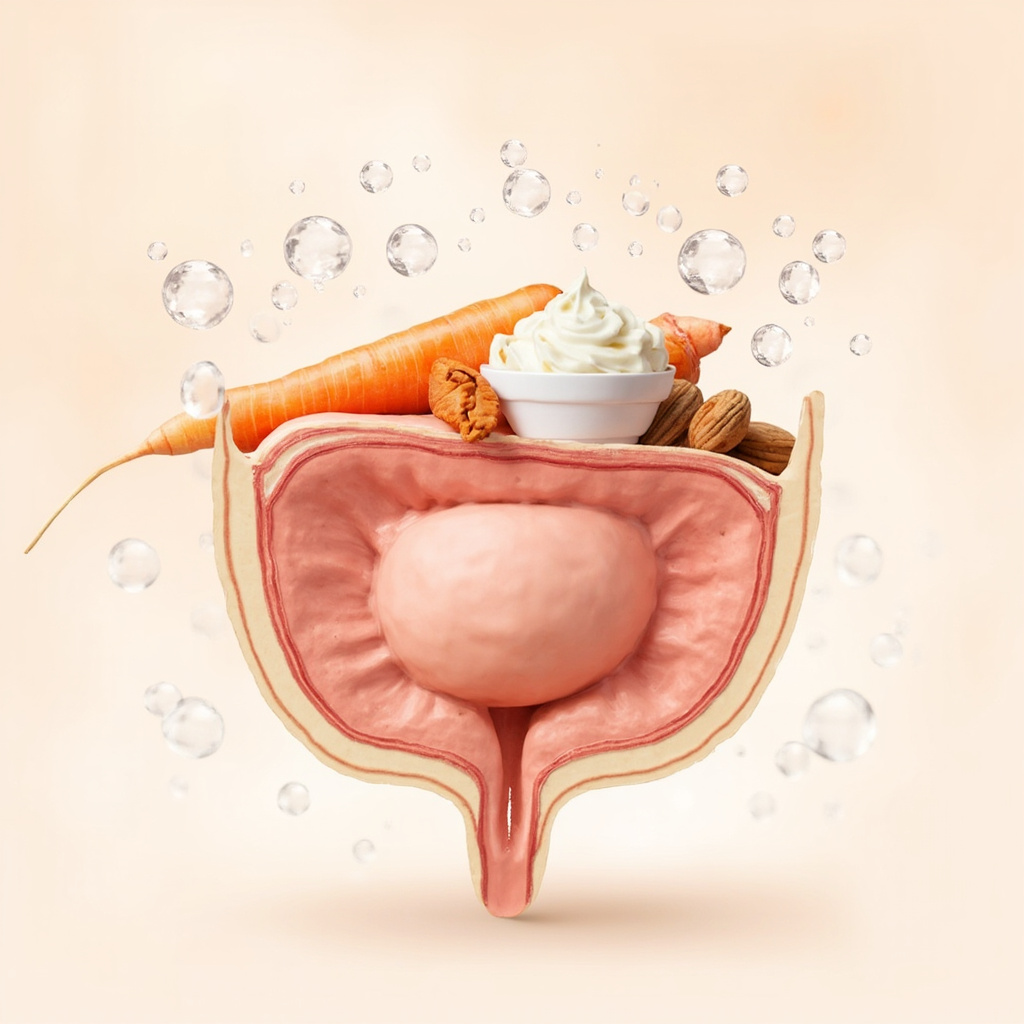
What is Streptococcus mutans 4.?
Streptococcus mutans lives in the mouth and plays a big role in tooth decay. This bacterium turns sugars from food into acids that erode tooth enamel, leading to cavities. When out of balance, it can cause pain, sensitivity, and dental issues that affect daily life. Learn more in the glossary.
Beyond physical effects, imbalance may bring discomfort, anxiety about appearance, and stress from ongoing toothaches. A healthy oral environment keeps this bacterium in check, supporting confidence and well-being.
The Link to Oral Health
Streptococcus mutans thrives on frequent sugar intake, forming sticky biofilms on teeth. These plaques protect it while acids weaken enamel. Studies show high levels correlate with caries risk, but nutrition can shift the balance toward health.
When viewed as a resource, it highlights the need for microbiome harmony. Supporting beneficial bacteria reduces its overgrowth, easing dental strain and related emotions like frustration.
Key Nutrients for Oral Balance
Focus on foods that starve harmful bacteria and nourish protective ones:
- Calcium-rich dairy: Cheese and yogurt neutralize acids and provide probiotics to compete with Streptococcus mutans.
- Xylitol: Found in sugar-free gum or naturally in some fruits, it inhibits bacterial growth without feeding acids.
- Polyphenols from tea and cocoa: Green or black tea catechins reduce bacterial adhesion; unsweetened cocoa offers similar benefits.
Vitamins also matter:
- Vitamin D: Boosts enamel strength; get from sunlight or fatty fish.
- Vitamin C: Supports gum health; abundant in berries and peppers.
- Zinc: Fights inflammation; in nuts, seeds, and lean meats.
Foods to Embrace and Avoid
Include These Daily:
- Crunchy vegetables like celery, carrots, and apples: Stimulate saliva to wash away bacteria.
- Probiotic yogurt or kefir: Introduce friendly strains like Lactobacillus to crowd out pathogens.
- Leafy greens and nuts: Provide minerals for remineralization.
- Herbal teas: Rinse mouth naturally post-meals.
Limit or Skip:
- Sugary snacks and sodas: Prime fuels for acid production.
- Sticky candies: Linger on teeth, promoting biofilms.
- Frequent carbs: Opt for whole grains over refined.
Pair with good habits: Chew sugar-free xylitol gum after eating to boost saliva flow.
Practical Meal Ideas
Breakfast: Yogurt with berries and nuts – probiotics plus antioxidants.
Snack: Cheese cubes or apple slices – calcium and crunch for cleaning.
Lunch: Salad with greens, fish, and olive oil – vitamins and healthy fats.
Dinner: Grilled veggies and lean protein – mineral boost without sugars.
Evening: Green tea – polyphenol rinse before bed.
Track changes: Notice less sensitivity or fresher breath as balance improves.
Emotional and Overall Benefits
Balancing Streptococcus mutans eases physical pain and lifts mood. No more self-consciousness from dental woes – just a confident smile. Nutrition ties gut and oral health, reducing stress impacts on digestion too.
Recent research backs this: Probiotics and polyphenol-rich foods lower Streptococcus mutans counts, cutting caries risk. Simple shifts yield lasting results.
Stay consistent for vibrant oral health.
- 1. pmc.ncbi.nlm.nih.gov
- 2. nature.com
- 3. 404dental.com
- 4. scilit.com
- 5. jyi.org
- 6. nature.com
- 7. link.springer.com
- 8. scirp.org
- 9. pmc.ncbi.nlm.nih.gov
- 10. tandfonline.com
- 11. chapinpediatricdentist.com
- 12. frontiersin.org
- 13. researchgate.net
- 14. westgatedentalcentre.com
- 15. mdpi.com
- 16. frontiersin.org
- 17. jadafs.ada.org
- 18. journals.lww.com
- 19. ebsco.com
- 20. pmc.ncbi.nlm.nih.gov
- 21. journals.lww.com
- 22. oss.jocpd.com
- 23. pmc.ncbi.nlm.nih.gov
- 24. onlinelibrary.wiley.com
- 25. semanticscholar.org
- 26. dimensionsofdentalhygiene.com
- 27. journals.publishing.umich.edu
- 28. ncbi.nlm.nih.gov
- 29. frontiersin.org
- 30. sciencedirect.com
- 31. mdpi.com
- 32. rchsd.org
- 33. pmc.ncbi.nlm.nih.gov
- 34. onlinelibrary.wiley.com
- 35. pmc.ncbi.nlm.nih.gov
- 36. omicsonline.org
- 37. healthline.com
- 38. sciencedirect.com
- 39. bristlehealth.com
- 40. mtperio.com
Related posts
Glossary
- Energy and mind Structures > calcium
- Energy and mind Structures > Confidence
- Energy and mind Structures > Streptococcus mutans 4.
- Body zones > mouth
- Body zones > teeth
- Body zones > cavities
- Energy and mind Structures > pathogens
- Energy and mind Structures > Digestion
- Energy and mind Structures > Stress
- Stimuli > IGF1, Growth
- Stimuli > Streptococcus mutans
- Stimuli > Pain
- Stimuli > Stimulate
- Stimuli > Harmony