


Bacteria: Gut Allies for Nutrition and Balance
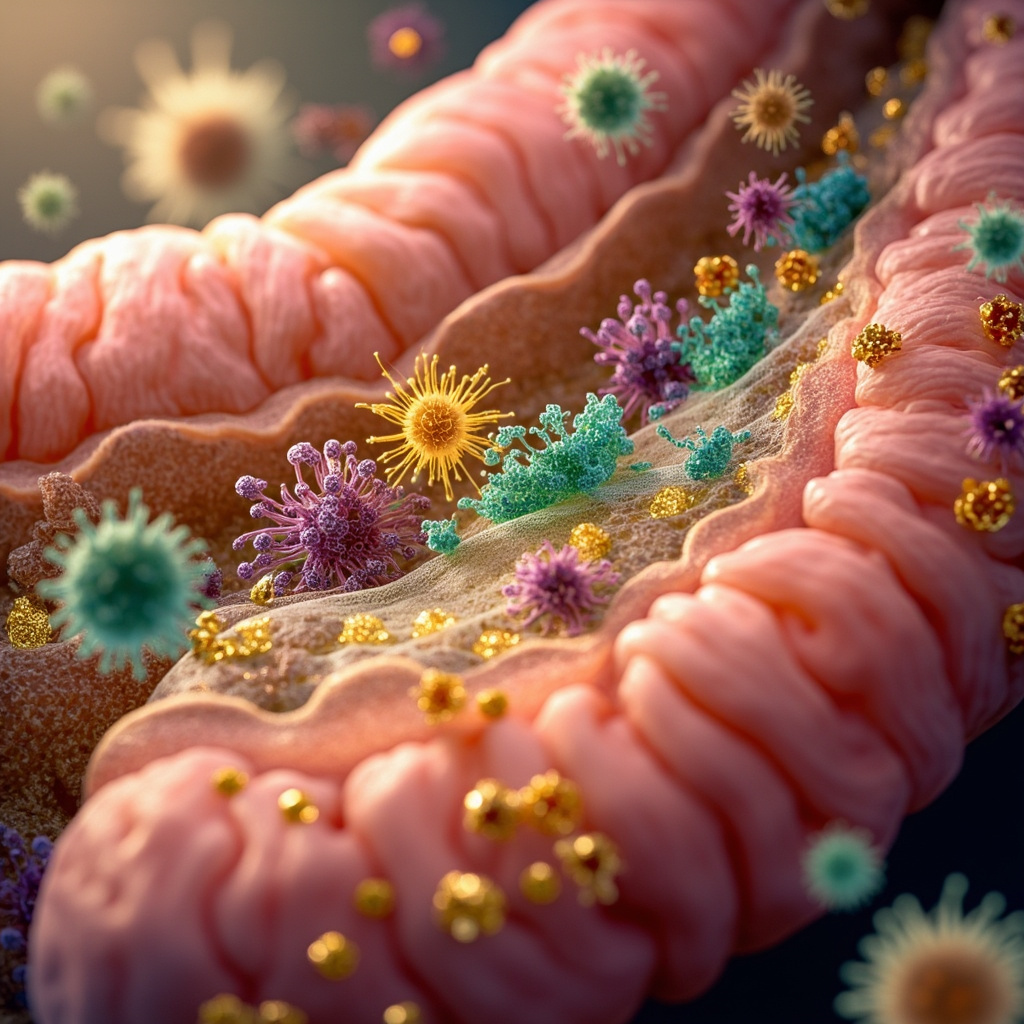
Your gut is home to trillions of bacteria, small organisms that influence digestion, energy levels, and even mood. These bacteria break down fibers into useful compounds, create essential vitamins, and help regulate inflammation. When balanced, they act as allies, promoting nutrient absorption and a strong immune system. Recent studies highlight specific groups, like CAG-170, that appear more in healthy people and produce vitamin B12 to support the gut ecosystem.
The Two Sides of Gut Bacteria
Most gut bacteria are helpful. They ferment undigested food into short-chain fatty acids, which feed gut cells, reduce inflammation, and aid metabolism. For example, strains like Bifidobacterium and Faecalibacterium produce butyrate, a compound that strengthens the gut lining and calms immune responses.
However, if harmful bacteria overgrow, they can cause issues like bloating, infections, or weakened immunity. Factors such as poor diet, stress, and antibiotics can shift this balance, leading to dysbiosis-an imbalance linked to fatigue, digestive discomfort, and mood changes.
Bacteria as a Resource for Your Health
Healthy bacteria contribute in key ways:
- Digestion and nutrient uptake: They break down complex carbs and fibers, making nutrients more available.
- Vitamin production: Some generate B vitamins, like B12, vital for energy and nerve health.
- Immune support: They train the immune system to fight pathogens while preventing overreactions.
- Mood and stress relief: Through the gut-brain connection, they influence serotonin and reduce inflammation that affects emotions.
Supporting these bacteria with the right foods enhances their benefits, leading to steady energy and better recovery from stress.
Nutrition Strategies to Support Gut Bacteria
Diet is the foundation for a thriving gut microbiome. Focus on foods that feed beneficial bacteria:
Prebiotic-Rich Foods
These fibers nourish good bacteria:
- Onions, garlic, leeks, and asparagus (inulin source).
- Bananas, artichokes, and whole grains (fructooligosaccharides).
- Legumes and oats (resistant starch).
Fermented Foods
They deliver live bacteria:
- Yogurt, kefir, and kombucha.
- Sauerkraut, kimchi, and miso.
- Tempeh and natty.
Anti-Inflammatory Additions
- Berries, green tea, and dark chocolate (polyphenols that boost good strains).
- Fatty fish or flaxseeds (omega-3s for barrier health).
- Colorful veggies like carrots and leafy greens (carotenoids).
Avoid excess sugar and processed fats, which favor harmful bacteria. A high-fiber, plant-based diet increases diversity and short-chain fatty acids, improving everything from blood sugar control to emotional balance.
Stress also impacts bacteria-high cortisol levels can reduce diversity. Pair nutrition with relaxation to maintain harmony.
Detecting and Balancing Bacteria Imbalances
Signs of imbalance include ongoing fatigue, irregular digestion, frequent infections, or low mood. Nutritionists track these through symptoms and tests, linking them to nutrient gaps like low B vitamins or magnesium.
In BioCoherence, bacteria appear as a key structure, evaluated via biomarkers from body electrical readings. This reveals its energy, activity, and connections. Learn more in the glossary.
When bacteria serve as a resource, sessions guide attention to leverage it for gut health and vitality. If a priority, focus shifts to restore balance. Nutrition complements this by addressing deficiencies- for instance, boosting fiber for better microbiota or B12-rich foods if production lags.
Recent research, like a global study on CAG-170 bacteria, shows how certain microbes mark overall health, producing B12 and aiding digestion. This underscores nutrition's role in fostering them.
By prioritizing gut-friendly eating, you empower bacteria to optimize metabolism, ease inflammation, and elevate well-being. Start with small changes: add fermented foods daily and track how your energy responds.
- 1. nature.com
- 2. news-medical.net
- 3. makersnutrition.com
- 4. frontiersin.org
- 5. pmc.ncbi.nlm.nih.gov
- 6. jn.nutrition.org
- 7. sciencedaily.com
- 8. napiers.net
- 9. sciencedirect.com
- 10. medicaldaily.com
- 11. nccih.nih.gov
- 12. aces.illinois.edu
- 13. nature.com
- 14. nutritioninsight.com
- 15. todaysintegrativehealth.com
- 16. foodnavigator.com
- 17. youtube.com
- 18. independent.co.uk
- 19. frontiersin.org
- 20. pmc.ncbi.nlm.nih.gov
- 21. frontiersin.org
- 22. npr.org
- 23. pmc.ncbi.nlm.nih.gov
- 24. youtube.com
- 25. nutritionsource.hsph.harvard.edu
- 26. mdpi.com
- 27. nature.com
- 28. dsm-firmenich.com
- 29. pmc.ncbi.nlm.nih.gov
- 30. journals.physiology.org
- 31. newscientist.com
- 32. pmc.ncbi.nlm.nih.gov
Related posts
Glossary
- Energy and mind Structures > magnesium
- Energy and mind Structures > Focused Coherence; Focus
- Energy and mind Structures > Structure
- Energy and mind Structures > Immunity
- TCM Recipes > Emotional Balance: A TCM Guide to Calm Anxiety & Insomnia
- TCM Recipes > Digestive Relief: A Simple Guide to Ease Bloating & Indigestion
- TCM Recipes > Boost Your Energy: A TCM Recipe for Fatigue Relief
- Energy and mind Structures > organisms
- Energy and mind Structures > vitality
- Energy and mind Structures > pathogens
- Energy and mind Structures > Digestion
- Energy and mind Structures > Stress
- Stimuli > Cortisol
- Stimuli > Serotonin
- Binaural beats > Foundation of Security: Enhance Serenity and Well-Being
- Binaural beats > Inflammation Relief: Heal Faster with Binaural Beats
- Binaural beats > Immune System Support: Enhancing Health with Sound Frequencies
- Stimuli > Harmony
- Stimuli > Blood
- Stimuli > GAPDH, Metabolism
see also...
- Energy and mind Structures > HRV
- Energy and mind Structures > TCM Recipes > Tension Headache Relief: A Natural Approach to Ease Stress
- Testimonials > 61% Drop in Nausea and 58% in Headaches from Sound Therapy
- Binaural beats > Stimuli > Chakra Throat
- Binaural beats > Immune System Support: Enhancing Health with Sound Frequencies