


Epithelium: Nutrition for Protection
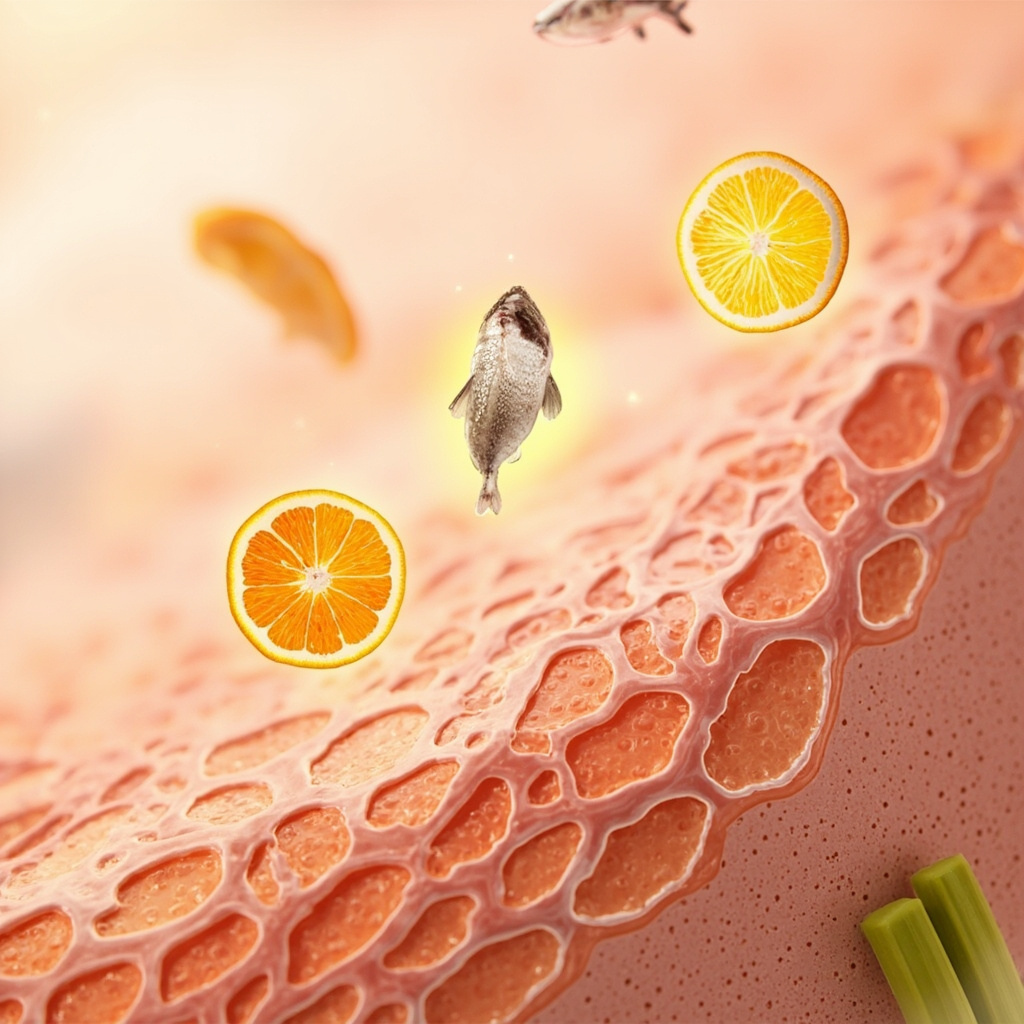
What is Epithelium?
Epithelium is the thin layer of tissue that covers the outside of your skin and lines the inside of your mouth, lungs, gut, and other organs. Think of it as your body's first line of defense. It keeps out germs, holds in moisture, and helps with feeling sensations like touch. For more details, see the epithelium glossary.
When healthy, this tissue acts like a smart wall: tough yet flexible, blocking harm while allowing good things like nutrients to pass through in places like your intestines.
Why Epithelium Matters
A strong epithelium protects against everyday threats. On your skin, it stops water loss and fights off bacteria. Inside, it shields organs and aids digestion by absorbing food properly. It even plays a role in sensing and secreting substances your body needs.
Weak epithelium can lead to dry skin, easy infections, poor nutrient uptake, or even bigger issues like inflammation. Recent studies show a leaky barrier links to allergies and chronic conditions, making nutrition key to repair and maintain it.
Emotional Side of Epithelium
Beyond physical protection, epithelium ties to how we feel safe and connected. Skin issues often mirror emotions around boundaries, separation from loved ones, or feeling attacked. Stress can weaken this barrier through inflammation, raising cortisol levels that disrupt gut and skin linings.
Supporting it with nutrition helps calm these effects, fostering a sense of self-worth and protection from within.
Nutrition to Strengthen Epithelium
Your diet directly feeds this tissue. Biomarkers from body scans can spot needs, like low levels signaling poor barrier function. Here are proven nutrients:
Vitamins for Repair and Defense
- Vitamin A: Guides skin cells to grow right, builds tight connections, boosts wound healing. Sources: carrots, sweet potatoes, fish, eggs.
- Vitamin C: Builds collagen for strength, fights oxidation, improves moisture hold. Sources: citrus, peppers, broccoli.
- Vitamin D: Helps cell growth, reduces inflammation, strengthens seals between cells. Sources: fatty fish, egg yolks, sunlight.
- Vitamin E: Shields against damage, calms swelling. Sources: nuts, seeds, green veggies.
Minerals for Integrity
- Zinc: Key for cell turnover, healing, antioxidant power. Low zinc raises skin pH, weakening barriers. Sources: oysters, meat, legumes.
- Iron: Supports collagen, fights fatigue-related weakness. Sources: red meat, spinach with vitamin C.
Healthy Fats and Fiber
- Omega-3 fatty acids (EPA, DHA): Increase barrier lipids like ceramides, cut water loss, ease redness. Aim for a good omega-3 to omega-6 balance. Sources: salmon, flaxseeds, walnuts.
40 - Fiber and probiotics: Gut fiber makes short-chain fatty acids that boost skin and gut barriers via microbiome health. Sources: onions, yogurt, whole grains.
Start with balanced meals: Add fatty fish twice weekly, colorful veggies daily, and fermented foods for gut support.
Epithelium as a Resource
When balanced, epithelium aids the whole body. It blocks infections for other organs, keeps hydration steady, and sends alert signals via sensations. Nutrition turns it into a reliable ally, enhancing energy and calm.
Track your biomarkers to personalize. Small diet tweaks yield big protection gains, aligning body and mind for vitality.
- 1. healthmiro.com
- 2. thedermdigest.com
- 3. dermatologytimes.com
- 4. healthline.com
- 5. sciencedirect.com
- 6. sciencedirect.com
- 7. onlinelibrary.wiley.com
- 8. pmc.ncbi.nlm.nih.gov
- 9. lpi.oregonstate.edu
- 10. onlinelibrary.wiley.com
- 11. mfm.au
- 12. thedermdigest.com
- 13. integrishealth.org
- 14. mdpi.com
- 15. frontiersin.org
- 16. zinpro.com
- 17. biorxiv.org
- 18. mdpi.com
- 19. onlinelibrary.wiley.com
- 20. clinicaleducation.org
- 21. news-medical.net
- 22. pmc.ncbi.nlm.nih.gov
- 23. journals.lww.com
- 24. pmc.ncbi.nlm.nih.gov
- 25. fldscc.com
- 26. tandfonline.com
- 27. sciencedirect.com
- 28. esmed.org
- 29. nature.com
- 30. webmd.com
- 31. frontiersin.org
- 32. pmc.ncbi.nlm.nih.gov
- 33. phoebeacklandnaturopath.com.au
Related posts
Glossary
- Energy and mind Structures > Water
- Body zones > lungs
- Body zones > mouth
- Body zones > epithelium
- Energy and mind Structures > Organs
- TCM Recipes > Skin Health: Remedies for Acne and Eczema
- Energy and mind Structures > vitality
- Energy and mind Structures > Digestion
- Energy and mind Structures > Stress
- Stimuli > IGF1, Growth
- Stimuli > AIDS
- Binaural beats > Inflammation Relief: Heal Faster with Binaural Beats
- Stimuli > Zinc
- Stimuli > Lead
- Stimuli > SOD1, Antioxidant
- Stimuli > EGFR, Cell Growth
see also...
- Energy and mind Structures > HRV
- Energy and mind Structures > Body zones > epithelium
- Energy and mind Structures > TCM Recipes > Hormonal Harmony: A TCM Recipe for Women's Balance
- Testimonials > 61% Drop in Nausea and 58% in Headaches from Sound Therapy
- Binaural beats > Stimuli > EGFR, Cell Growth
- Binaural beats > Desensitizer: Boost Your Energy and Focus Effectively