


Gastric Acid: Key to Digestion and Wellness
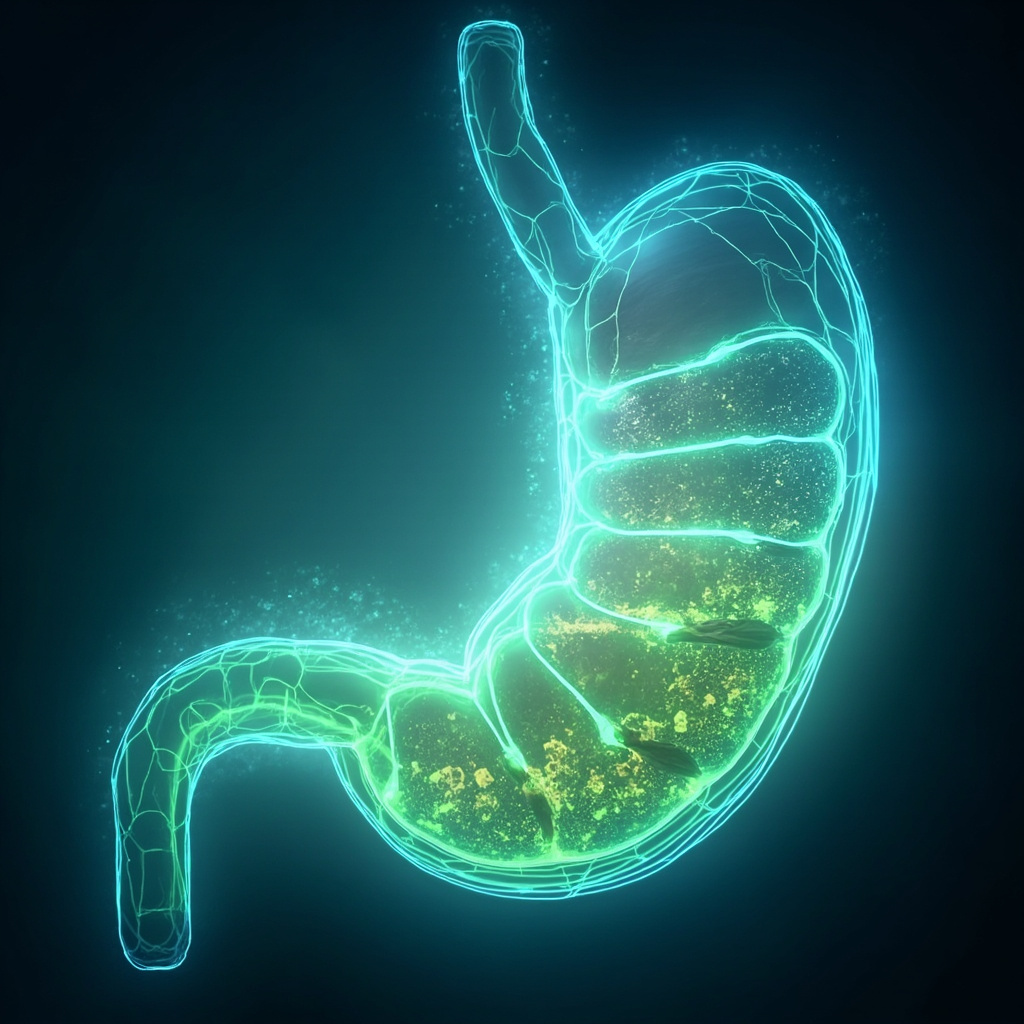
Understanding Gastric Acid
Gastric acid is the strong fluid your stomach makes to start digestion. It sits in the stomach lining and works like a natural breaker-down of food. This acid mainly contains hydrochloric acid, which has a very low pH to dissolve proteins and turn on enzymes that help process meals. Learn more in our glossary.
When working right, it protects you from harmful bacteria in food by killing many germs before they reach your intestines. It also releases vitamins and minerals from food so your body can absorb them better, like vitamin B12, iron, calcium, and magnesium.
Signs Your Gastric Acid is Out of Balance
Too much acid can irritate the stomach lining, leading to heartburn, acid reflux, gastritis, or even ulcers. You might feel a burning sensation in your chest after eating spicy or fatty foods.
Too little acid, called hypochlorhydria, is more common than you think, especially with age, stress, or certain medications. Symptoms include:
- Bloating and fullness after meals
- Indigestion or undigested food in stool
- Nutrient shortages causing fatigue, weak nails, or anemia
- Frequent gut infections since germs survive
Low acid makes it hard to break down proteins, so you feel sluggish and miss out on key nutrients for energy and immunity.
Nutrition's Role in Supporting Gastric Acid
As a nutritionist, I look at how diet influences stomach health through biomarkers like those for enzyme activity, mineral levels, and gut balance. Certain nutrients fuel acid production:
-
Zinc: Found in oysters, beef, pumpkin seeds. Essential for making hydrochloric acid.
-
Vitamin B1 (thiamine): In whole grains, pork, nuts. Supports stomach lining function.
-
Betaine HCl: From beets and spinach; supplements mimic natural acid if needed (consult a pro first).
Boost production with:
- Apple cider vinegar: 1 tsp in water before meals to gently increase acidity.
- Bitter greens like dandelion or arugula to stimulate digestive juices.
- Fermented foods: Sauerkraut or kimchi for probiotics that thrive in a balanced acid environment.
Avoid antacids long-term if possible, as they lower acid and block nutrient uptake. Instead, eat smaller meals, chew well, and limit processed foods that weaken digestion.
The Emotional Side of Gastric Acid
Stress, anger, and frustration often show up in the stomach. When life feels hard to 'digest,' emotions build tension. This triggers overproduction of acid from fight-or-flight responses or underproduction from chronic worry suppressing it.
High stress raises cortisol, which messes with gut motility and acid flow. Unresolved anger might lead to that tight, burning feeling. Addressing feelings through mindfulness can calm production naturally.
In turn, poor digestion feeds back into mood: low nutrients like B vitamins and magnesium worsen anxiety and irritability.
Gastric Acid as a Resource for Whole-Body Health
A healthy gastric acid level supports every cell. It ensures proteins become amino acids for muscle repair and hormones. Nutrients absorbed fuel your brain, bones, and immunity.
When optimized, it creates a balanced internal space, helping liver detox, kidneys filter, and gut bacteria stay in check.
Insights from Biomarkers
Biomarkers reveal gastric acid's energy, activity, and connections to other body parts. Low energy might signal fatigue from poor absorption; high agitation could point to inflammation.
By tracking these, we tailor nutrition: if zinc is low, add seeds; if stress markers are high, pair diet with relaxation.
Practical steps:
- Test fasting stomach pH or breath tests for low acid.
- Track symptoms in a food diary.
- Build meals around protein + bitters + zinc-rich foods.
Restoring gastric acid lifts energy, sharpens focus, and eases stress. Small changes yield big wellness gains.
- 1. chaindrugreview.com
- 2. sciencedirect.com
- 3. pubmed.ncbi.nlm.nih.gov
- 4. nhdmag.co.uk
- 5. hoag.org
- 6. norcen.org
- 7. healthline.com
- 8. uniteddigestive.com
- 9. khni.kerry.com
- 10. nutraingredients.com
- 11. pubmed.ncbi.nlm.nih.gov
- 12. pmc.ncbi.nlm.nih.gov
- 13. health.harvard.edu
- 14. pubmed.ncbi.nlm.nih.gov
- 15. ahead-app.com
- 16. lactalisingredients.com
- 17. organics.com
- 18. pubmed.ncbi.nlm.nih.gov
- 19. donat.com
- 20. pubmed.ncbi.nlm.nih.gov
- 21. pubmed.ncbi.nlm.nih.gov
- 22. absbehavioralhealth.com
- 23. rolaids.com
- 24. gutmicrobiotaforhealth.com
- 25. sciencedaily.com
- 26. foodnavigator.com
- 27. pubmed.ncbi.nlm.nih.gov
- 28. pmc.ncbi.nlm.nih.gov
- 29. pubmed.ncbi.nlm.nih.gov
- 30. pubmed.ncbi.nlm.nih.gov
Related posts
Glossary
- Energy and mind Structures > iron
- Energy and mind Structures > magnesium
- Energy and mind Structures > calcium
- Energy and mind Structures > Focused Coherence; Focus
- Energy and mind Structures > Sensation
- Energy and mind Structures > Water
- Energy and mind Structures > Wellness
- Energy and mind Structures > Immunity
- Body zones > hormones
- Body zones > bones
- Body zones > kidneys
- Body zones > chest
- Body zones > gastricacid
- TCM Recipes > Gastritis Relief: Soothing Stomach Inflammation & Pain
- TCM Recipes > Digestive Relief: A Simple Guide to Ease Bloating & Indigestion
- TCM Recipes > Heartburn Relief: A Simple TCM Recipe for Comfort
- TCM Recipes > Liver Health: A TCM Recipe for Balance and Calm
- TCM Recipes > Stomach Health: Natural Remedies for Digestive Issues
- TCM Recipes > Brain Boost: Clear Fog, Improve Focus & Memory
- TCM Recipes > Boost Your Energy: A TCM Recipe for Fatigue Relief
- Energy and mind Structures > Digestion
- Energy and mind Structures > Stress
- Stimuli > Cortisol
- Stimuli > Indigestion
- Binaural beats > Inflammation Relief: Heal Faster with Binaural Beats
- Stimuli > Zinc
- Stimuli > Stimulate
- Stimuli > Lead
see also...
- Energy and mind Structures > HRV
- Energy and mind Structures > Body zones > gastricacid
- Energy and mind Structures > TCM Recipes > Tension Headache Relief: A Natural Approach to Ease Stress
- Binaural beats > Stimuli > Sacral, Zinc Etc
- Binaural beats > Desensitizer: Boost Your Energy and Focus Effectively
- Testimonials > 61% Drop in Nausea and 58% in Headaches from Sound Therapy