


Bones: Nutrition for Strength and Stability
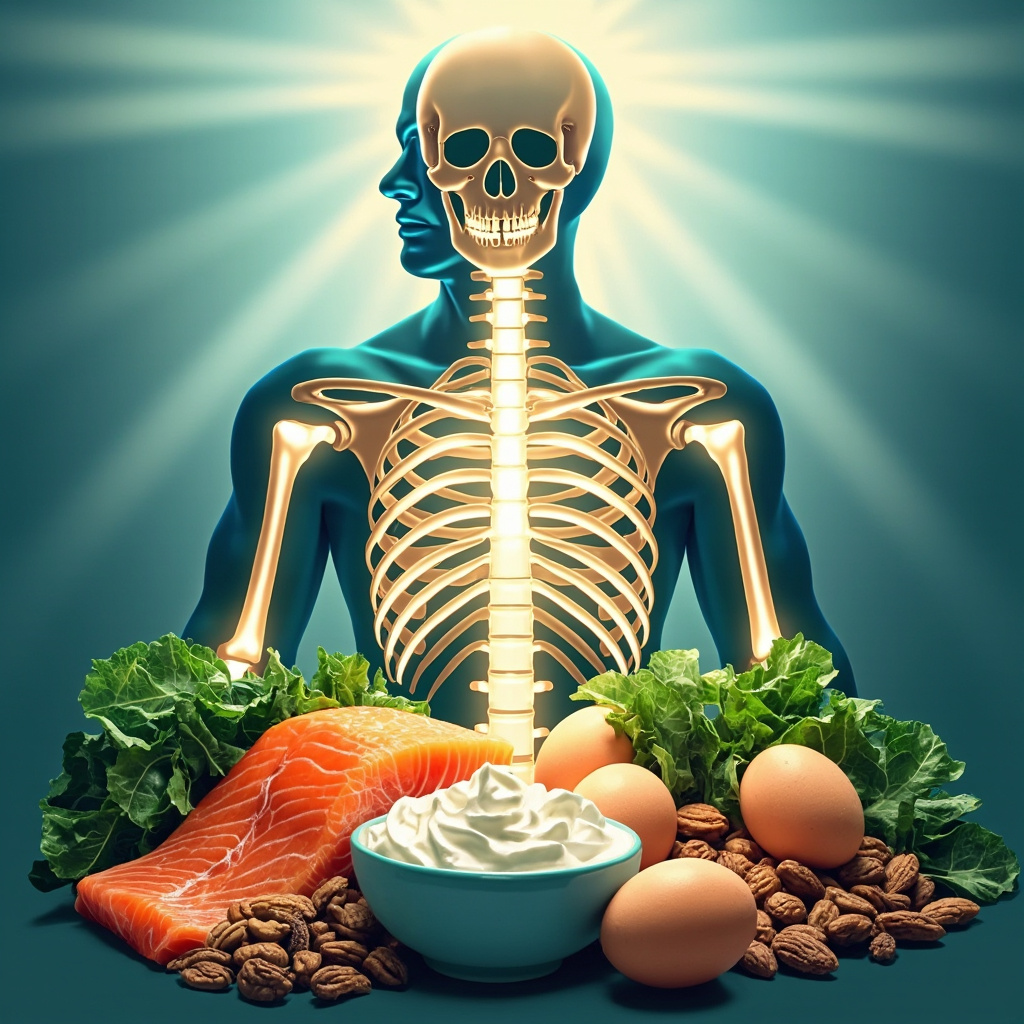
Your Body's Strong Foundation
Bones form the rigid skeleton that gives your body shape and structure. They protect vital organs like the heart and lungs, anchor muscles for movement, and store minerals such as calcium. Healthy bones allow smooth mobility and maintain balance in your body's mineral levels. For more details, see the bones glossary.
When bones function well, you feel grounded and capable. But imbalances can lead to fractures, thinning (osteoporosis), pain, or reduced movement. These issues often develop quietly over time, especially with age or poor nutrition.
Emotional Links to Bone Health
Bones connect to deeper feelings of stability and self-value. Struggles with bones may reflect fears of losing support in life, such as unstable relationships or shaky confidence. They can signal feeling undervalued or torn between personal desires and outside expectations.
Stress plays a big role here. Chronic worry or anxiety raises hormones that pull minerals from bones, weakening them. Studies show poor bone health links to higher depression risk, as bones produce factors like osteocalcin that influence mood and metabolism. Supporting your bones nutritionally can boost emotional resilience too.
Essential Nutrients for Robust Bones
Nutrition is key to bone strength. Focus on whole foods rich in these nutrients:
- Calcium: The main building block. Get it from leafy greens (kale, broccoli), dairy like yogurt or cheese, fortified plant milks, canned fish with bones (sardines, salmon), tofu, and almonds.
- Vitamin D: Helps absorb calcium. Sources include sunlight exposure, fatty fish (salmon, mackerel), egg yolks, fortified cereals, and mushrooms.
- Protein: Builds muscle to support bones. Aim for 50-60 grams daily from lean meats, eggs, beans, lentils, nuts, and quinoa. A 2025 study found this level boosts bone density in women, with no extra gains beyond.
- Magnesium: Aids calcium use. Found in nuts, seeds, whole grains, spinach, and bananas.
- Vitamin K: Directs calcium to bones. Eat natto, kale, spinach, and broccoli.
- Other supports: Potassium from potatoes and oranges, phosphorus from poultry and fish.
Avoid ultra-processed foods like sodas, cookies, and frozen meals. A recent Tulane study linked higher intake to lower bone density and higher hip fracture risk, especially in younger people or those with low body weight.
Practical Eating Tips
Build meals around bone-friendly foods:
- Breakfast: Yogurt with berries, nuts, and fortified cereal.
- Lunch: Salmon salad with leafy greens and olive oil dressing.
- Dinner: Tofu stir-fry with broccoli, quinoa, and beans.
- Snacks: Cheese sticks, almonds, or orange slices.
Combine with weight-bearing exercise like walking or weights to stimulate bone growth. Stay hydrated and limit sodium, alcohol, and excess caffeine, which can leach calcium.
Bones as a Valuable Resource
Balanced bones offer more than physical support. They stabilize emotions, promote self-worth, and aid overall health by regulating minerals and aiding movement. When strong, they help other body parts thrive, fostering vitality and calm.
Prioritize nutrition to nurture your bones. Small daily choices build lasting strength, inside and out.
- 1. powershealth.org
- 2. pmc.ncbi.nlm.nih.gov
- 3. pmc.ncbi.nlm.nih.gov
- 4. niams.nih.gov
- 5. pmc.ncbi.nlm.nih.gov
- 6. islandrheumatology.com
- 7. psychologytoday.com
- 8. health.clevelandclinic.org
- 9. nature.com
- 10. celiac.org
- 11. tandfonline.com
- 12. bonehealthandosteoporosis.org
- 13. frontiersin.org
- 14. pubmed.ncbi.nlm.nih.gov
- 15. pubmed.ncbi.nlm.nih.gov
- 16. cambridge.org
- 17. instagram.com
- 18. theros.org.uk
- 19. health.harvard.edu
- 20. fairfaxcounty.gov
- 21. nhs.uk
- 22. osteoporosis.foundation
- 23. pcrm.org
- 24. onlinelibrary.wiley.com
- 25. cnn.com
- 26. safefoodadvocacy.eu
- 27. goodrx.com
- 28. pmc.ncbi.nlm.nih.gov
- 29. news.tulane.edu
- 30. caoortho.com
- 31. sciencedirect.com
- 32. betterbones.com
- 33. bmgrp.com
- 34. mdpi.com
- 35. theros.org.uk
- 36. academic.oup.com
- 37. pmc.ncbi.nlm.nih.gov
- 38. sciencedaily.com
Related posts
Glossary
- Energy and mind Structures > calcium
- Energy and mind Structures > phosphorus
- Energy and mind Structures > potassium
- Energy and mind Structures > sodium
- Energy and mind Structures > Focused Coherence; Focus
- Energy and mind Structures > Structure
- Energy and mind Structures > Confidence
- Body zones > hormones
- Body zones > bones
- Body zones > lungs
- Body zones > muscles
- Energy and mind Structures > Organs
- TCM Recipes > Heart Health: Remedies for Anxiety and Palpitations
- TCM Recipes > Herbal Relief: A TCM Approach to Lift Your Mood
- Energy and mind Structures > vitality
- Energy and mind Structures > movement
- Energy and mind Structures > Vital organs
- Stimuli > IGF1, Growth
- Stimuli > AIDS
- Stimuli > Pain
- Stimuli > Stimulate
- Stimuli > Bone
- Stimuli > Lead
- Stimuli > GAPDH, Metabolism
see also...
- Energy and mind Structures > Vital organs
- Energy and mind Structures > Body zones > cerebrospinal fluid
- Energy and mind Structures > TCM Recipes > Spleen Health: A Simple Recipe for Digestive Strength
- Testimonials > 61% Drop in Nausea and 58% in Headaches from Sound Therapy
- Binaural beats > Stimuli > Chakra Throat