


Sound Waves Tune Stress Hormones
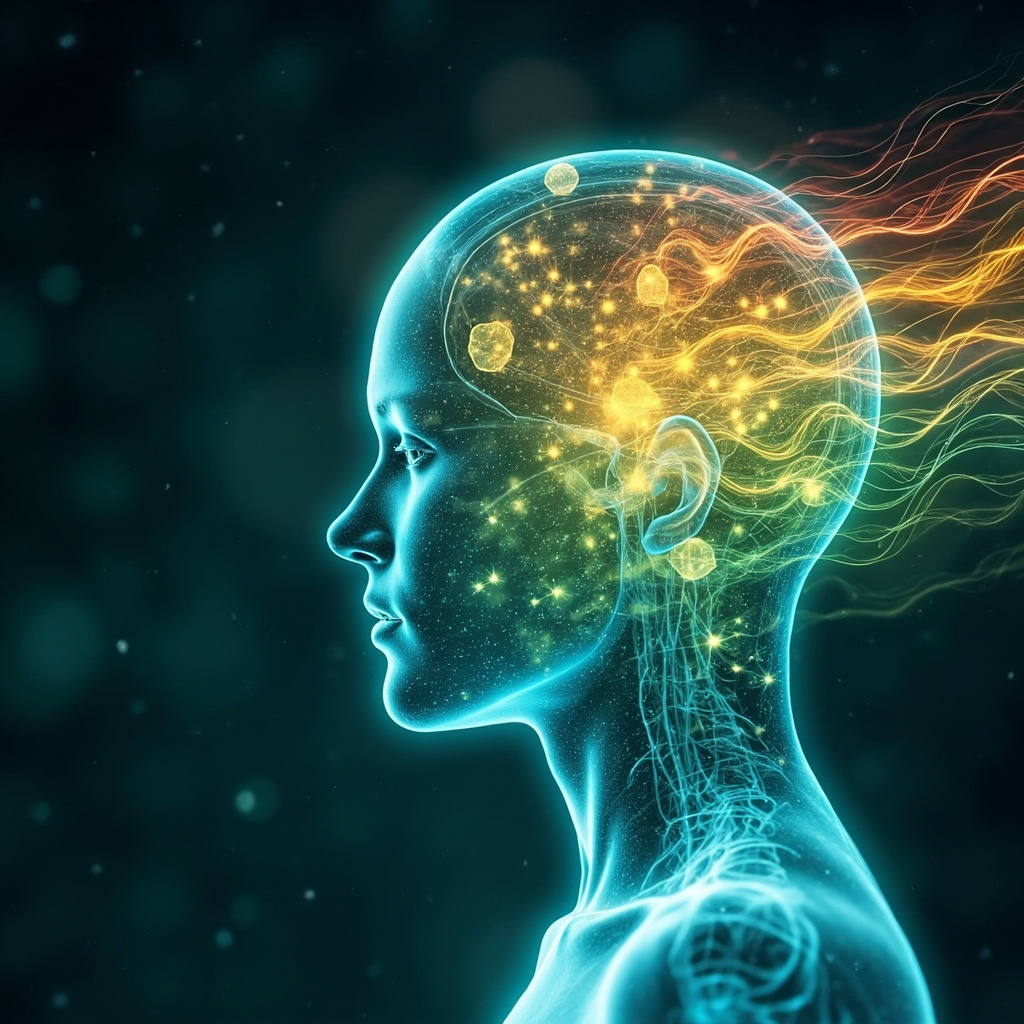
Sound's Hidden Power on Body Chemistry
Your body runs on tiny chemical messengers called hormones and neurotransmitters. They control stress, mood, joy, sleep, and energy. New research shows sound waves can nudge these molecules into better balance. Simple tones and rhythms act like gentle conductors, helping your system find harmony.
As Gino Stimulo recently wrote in his post on sound frequencies reshaping cellular genes (Sound Frequencies Reshape Cellular Genes), vibrations reach deep into our biology. Now, studies reveal they target hormones directly.
Stress Hormones Meet Their Match
Cortisol is the main stress hormone. It rises during worry or tension, wearing down energy over time. A study tested soothing piano music tuned to 528 Hz, played for just five minutes. Saliva tests showed cortisol dropped sharply-from 0.43 to 0.25 units-lasting up to 30 minutes. Standard 440 Hz music had little effect.
This 'love frequency' at 528 Hz also calmed the nervous system. Heart rate patterns shifted toward rest and recovery, cutting overactive stress signals.
Other sounds work too:
- Nature sounds like rain or waves: Promote calm, lower cortisol by easing the rest-digest response.
- Rhythms at 60-80 beats per minute: Match your heartbeat, reduce stress markers.
- Binaural beats in low ranges (1-8 Hz): Shift brain waves to deep relaxation, dialing down cortisol.
Boosting Feel-Good Molecules
Oxytocin, the bonding hormone, surged in the same 528 Hz test-from 37 to 73 units right after listening. It fosters trust, connection, and ease in relationships.
Serotonin and dopamine, key mood lifters, respond to similar vibes:
- 432 Hz tones: Steady mood, cut anxiety.
- Slow rhythmic music: Spark dopamine for pleasure and drive.
- Chants or theta waves (4-8 Hz): Build serotonin for steady calm.
These shifts happen through body pathways. Sound vibrations trigger nerve signals that talk to glands producing these molecules. No pills needed-just ears and air.
Sleep and Growth Support
Melatonin, your sleep signal, climbs with delta waves (1-4 Hz) or white noise. It helps deep rest, aiding overnight repair.
Growth hormone, vital for recovery, links to these low frequencies too. They mimic slow-wave sleep stages where the body rebuilds.
Reproductive hormones like estrogen benefit from steady rhythms, easing cycles and discomfort.
Evidence from Real Tests
The 528 Hz piano study used nine healthy adults. They gave saliva samples before, right after, and up to 45 minutes later. Mood scores improved-less tension and overall disturbance. Autonomic tests confirmed calmer nerves.
Broader reviews confirm patterns. Low frequencies hit metabolic hormones hardest, via brain-gland links. Even white noise or ambient tones help, though targeted ones pack more punch.
Simple Steps for Daily Use
Try these at home:
- Play 528 Hz tracks for 5-10 minutes morning or night to ease stress.
- Listen to 60 BPM music during work breaks for focus and joy.
- Use apps with binaural beats (headphones on) before bed for melatonin boost.
- Chant softly or hum low tones-your voice creates personal resonance.
Start small. Notice energy, mood, sleep changes over weeks. Sound supports self-tuning, aligning body signals for vitality.
This molecular harmony opens doors to inner strength. Vibrations remind us: Balance starts with what we hear.
Related posts
Glossary
- Energy and mind Structures > Focused Coherence; Focus
- Energy and mind Structures > Delta; Below 4.31 Hz. Deep sleep, deep meditation.
- Energy and mind Structures > Drive
- Energy and mind Structures > Pleasure
- Body zones > glands
- Body zones > hormones
- Body zones > nerves
- Body zones > neurotransmitters
- Body zones > cellular
- Body zones > ears
- TCM Recipes > Heart Health: Remedies for Anxiety and Palpitations
- TCM Recipes > Brain Boost: Clear Fog, Improve Focus & Memory
- Energy and mind Structures > sleep
- Energy and mind Structures > vitality
- Energy and mind Structures > Theta; 4.31-6.97 Hz. Light sleep, meditation.
- Energy and mind Structures > Stress
- Stimuli > IGF1, Growth
- Stimuli > Cortisol
- Stimuli > Serotonin
- Binaural beats > Nervous System: A Program for Emotional Balance and Relaxation
- Stimuli > Harmony
- Stimuli > Melatonin
see also...
- Energy and mind Structures > HRV
- Energy and mind Structures > Body zones > ears
- Energy and mind Structures > TCM Recipes > Boost Energy: A Simple Remedy for Low Energy and Fatigue
- Testimonials > 61% Drop in Nausea and 58% in Headaches from Sound Therapy
- Binaural beats > Stimuli > Melatonin
- Binaural beats > Transmutation: A Sound Journey for Personal Change