


Why Am I Always in Fight-or-Flight? The Hidden Nerve Stress
Understanding Your Body's Constant Alarm
Do you ever feel like you are running a marathon while sitting at your desk? You are not alone. Many people navigate their days with a persistent sense of unease, a racing heart, or a mind that simply refuses to quiet down. You might blame a busy schedule, too much coffee, or a difficult relationship, but often, the root cause is hidden deeper within your biology.
The Silent Struggle of Being Always On
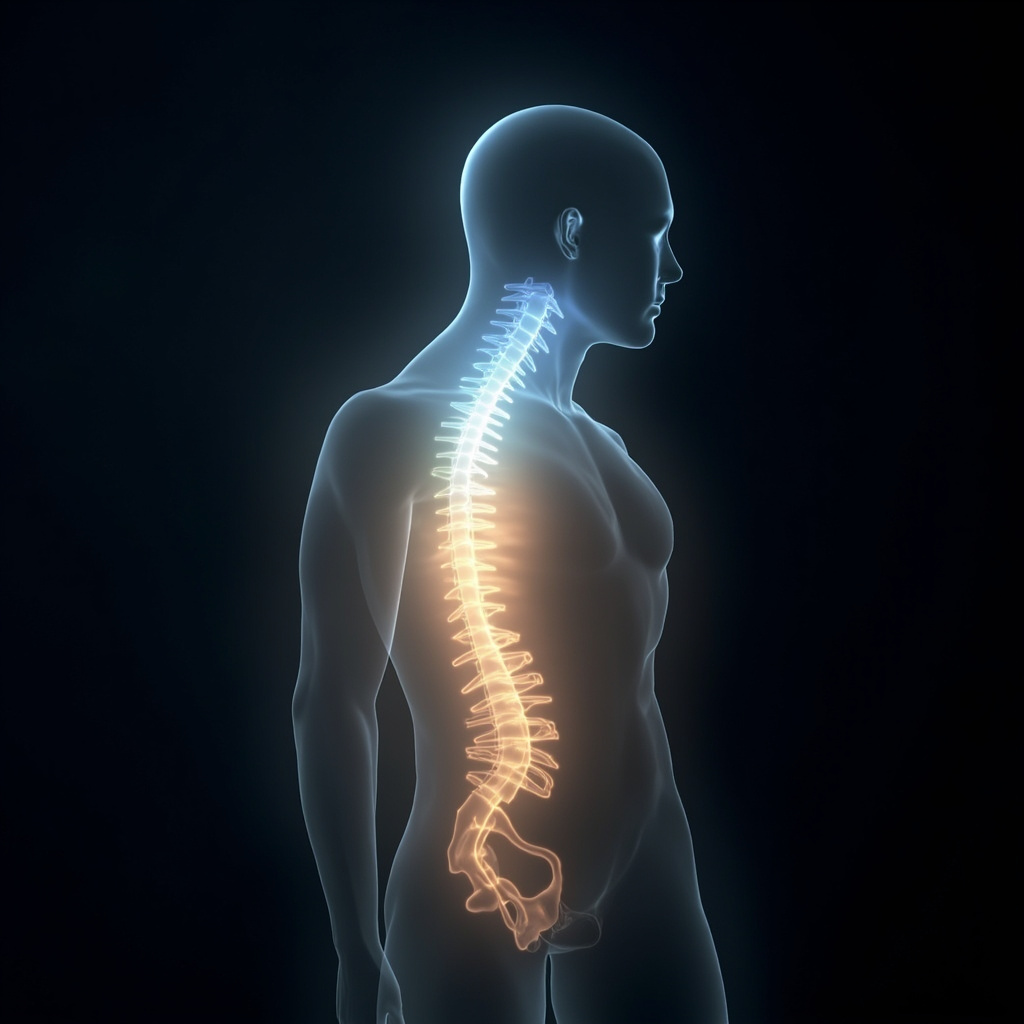
When your body perceives a threat, it activates the sympathetic nervous system [/body/303-sympathetic]. This system is designed to trigger a fight-or-flight response, flooding your body with energy to help you survive immediate danger. In our modern world, however, this system often gets stuck in the 'on' position. If you feel constantly drained, irritable, or unable to find deep relaxation, your body might be trapped in this survival mode, even when there is no actual danger.
Many have tried to fix this through traditional meditation, exercise, or therapy, only to feel frustrated when the anxiety returns the moment stress levels rise again. This is not a failure of your willpower; it is a signal that your nervous system needs a different kind of support.
Why the Root Cause Matters
Science shows that prolonged activation of this system can lead to physical exhaustion, digestive discomfort, and a weakened ability to connect with others. When your body is busy preparing for a fight, it diverts energy away from healing, digestion, and emotional regulation. Over time, this creates a cycle where your body forgets how to return to a state of rest and repair.
Restoring Your Internal Balance
Modern advancements in understanding how our bodies transmit electrical signals allow us to address these imbalances at their source. You do not have to settle for living in a constant state of high alert.
How We Help You Regain Control
By recording your body's electrical activity, it is possible to identify if your sympathetic system is indeed the primary driver of your stress. Once we identify this, we can use personalized frequencies to help your body remember how to switch back to a calm, restorative state.
- Harmonic Boosts: These use targeted frequencies to resonate with your body's natural rhythms, guiding your nervous system away from agitation and toward balance.
- Personal Guide: A 21-day program that uses specific audio frequencies and guided inner journeys to help you transform how you respond to daily stressors.
- Harmonizer: A device that applies gentle micro-currents to support your body's electrical harmony in real time.
This approach is not about masking symptoms; it is about providing your body with the tools it needs to self-regulate. By training your nervous system to recognize safety, you can reclaim your energy, improve your sleep, and foster deeper, more harmonious connections with those around you.
Related posts
Glossary
- Energy and mind Structures > Regulation
- Energy and mind Structures > Exhaustion
- Body zones > sympathetic
- Body zones > digestive
- Energy and mind Structures > sleep
- Energy and mind Structures > Digestion
- Energy and mind Structures > Theta; 4.31-6.97 Hz. Light sleep, meditation.
- Energy and mind Structures > Stress
- Stimuli > Hepatitis G virus, Primary
- Binaural beats > Nervous System: A Program for Emotional Balance and Relaxation
- Stimuli > Lead
- Stimuli > Harmony
- Stimuli > Heart