


Why Does Your Mid-Back Ache? The Hidden Dorsal Link
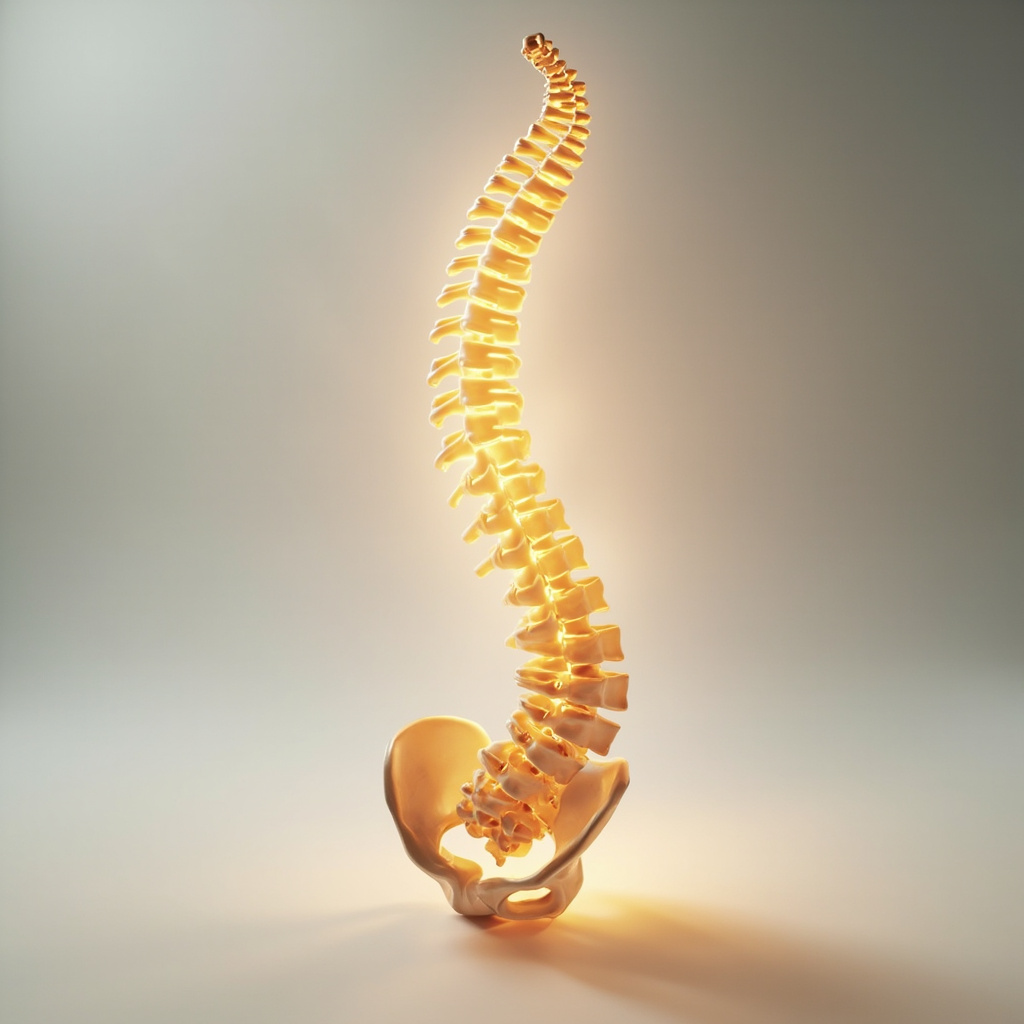
The Hidden Weight You Carry
Do you often find yourself rubbing the area between your shoulder blades at the end of the day? Maybe you have tried every ergonomic chair, countless hours of stretching, or even professional massages, yet that nagging tightness in your mid-back returns like clockwork. You are not alone, and your struggle is not a sign of weakness. Many people face this persistent discomfort, often labeled as simple muscle fatigue or poor posture.
What if the reason your previous efforts failed is that you were treating the symptom rather than the source? The mid-back, or the dorsal region of your spine, is more than just a structural pillar. It is an intricate hub for nerve signals and, according to many, a primary storage site for emotional stress related to the burdens we carry. When you feel overwhelmed or unsupported, your body often reflects this through physical tension in this specific area.
Understanding the Dorsal Connection
Scientific research into the connection between the spine and nervous system function highlights that our physical structure is deeply tied to how we process stress. When your dorsal region is under constant tension, it impacts the way your body transmits signals, leading to reduced mobility and that feeling of being perpetually stuck. If the root cause is an imbalance in your body's electrical activity or energy flow, traditional physical adjustments might only offer temporary relief because they do not address the systemic need for re-balancing.
Ignoring this deep-seated tension can lead to more than just back pain. It can affect your overall energy levels, your ability to sleep, and even your digestive comfort, as the nerves in this area serve vital organs. Addressing the root cause of this stiffness is essential for long-term health.
Reclaiming Your Structural Balance
To truly resolve this, we must look at the body as a whole. Modern technology now allows us to move beyond guesswork by analyzing the body's electrical activity. By recording specific biomarkers related to your dorsal region, we can identify exactly where your system is struggling to maintain harmony.
This is where an intelligent approach to self-development changes everything. Instead of just hoping for relief, you can use targeted, personalized frequencies to support your body's natural recovery processes.
- Harmonic Boosts: By using specific resonance frequencies, you can provide the support your dorsal structure needs to release chronic tension and restore natural flexibility.
- Personalized Guidance: Through guided meditations designed around your unique priorities, you can address the emotional aspects of the burdens you are carrying, allowing your mind and body to let go of stored stress.
- Micro-currents: Using a device to apply gentle, real-time currents can help harmonize your energy and soothe the nerves along your spine, promoting faster recovery and better posture.
By integrating these tools, you are not just fixing a sore back; you are tuning your entire system to be more resilient, capable, and balanced. You can learn more about how to assess your own needs and start your journey toward structural freedom by exploring the BioCoherence tutorials. Many users have reported that once they addressed the energy flow in their spine, they felt a profound sense of lightness and increased vitality in their daily lives.
Related posts
Glossary
- Energy and mind Structures > Structure
- Body zones > dorsal
- Body zones > nerves
- Body zones > digestive
- Body zones > face
- Energy and mind Structures > Organs
- Energy and mind Structures > sleep
- Energy and mind Structures > vitality
- Energy and mind Structures > Vital organs
- Energy and mind Structures > Stress
- Stimuli > Hepatitis G virus, Primary
- Stimuli > Pain
- Binaural beats > Nervous System: A Program for Emotional Balance and Relaxation
- Stimuli > Lead
- Stimuli > Harmony