


Why Procrastination Signals Body Stress?
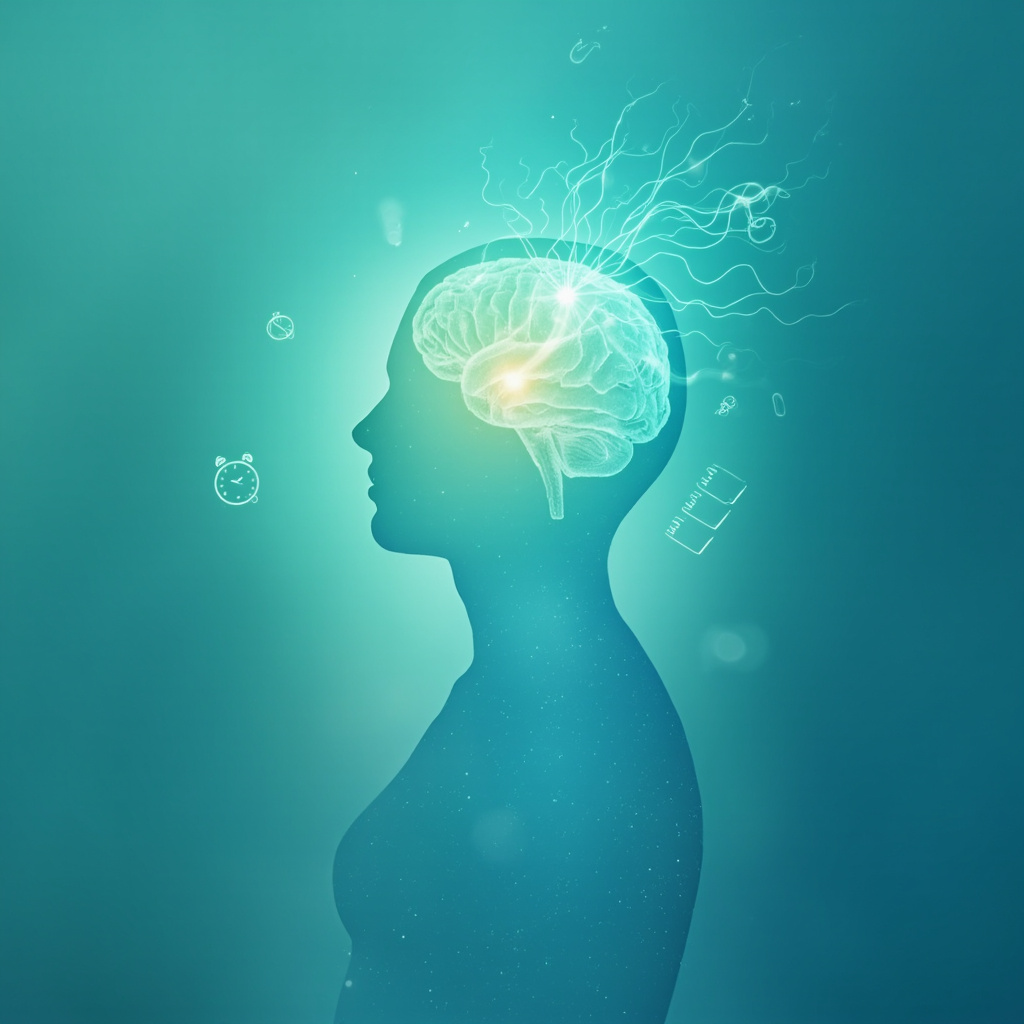
Recognizing Procrastination in Daily Life
You know the feeling. An important task waits, but you clean the kitchen, check emails, or watch videos instead. Guilt creeps in, stress builds, and the cycle repeats. This is procrastination, not just poor time management. It hits hard for many-up to one in four adults struggle chronically. It leaves you feeling stuck, overwhelmed, and questioning your drive.
Common signs include:
- Delaying even simple actions
- Last-minute rushes
- Self-criticism and low mood
These create a loop where short-term relief from avoidance clashes with long-term regret.
You've Tried Fixes-Here's Why They Often Fail
Most people fight back with tools like:
- To-do lists and planners
- Apps for focus timers
- Rewards for completion
- Strict schedules or friends for accountability
These help short-term but rarely stick. Why? They target behavior, ignoring deeper triggers. Willpower drains under constant pressure, and old habits return stronger.
The Hidden Cause: Stress Encoded in Your Body
Procrastination stems from emotion avoidance. Tasks feel uncomfortable, so your brain seeks easy dopamine hits elsewhere. But this runs deeper-it's wired into your physiology.
Your heart rate variability (HRV) measures beat-to-beat changes, showing stress resilience. Low HRV means your body struggles to shift from fight-or-flight. Procrastinators often show this pattern, as delaying amps cortisol (stress hormone) levels.
A review in Frontiers in Psychiatry found procrastination strongly ties to negative emotions like anxiety and depression. Another study tracked people over months: heavy procrastinators reported worse stress and health symptoms nine months later.
Brain Chemistry at Play: Dopamine and Cortisol Clash
Dopamine, your motivation chemical, dips when tasks seem unrewarding. Procrastination favors quick pleasures, starving long-term goals. Meanwhile, cortisol surges, impairing focus and memory.
Research shows chronic delayers have altered reward pathways, mimicking low-dopamine states seen in ADHD. Stress from unfinished work lowers HRV further, creating a vicious cycle.
Past efforts fail because they don't reset these chemicals. Apps can't lower cortisol or boost dopamine sustainably.
Why It Matters Now: Health Risks Build Quietly
Ignore it, and problems grow. Studies link procrastination to:
- Higher cardiovascular risks (like heart strain from chronic stress)
- Weakened immunity
- Sleep issues and fatigue
A Psychological Science report noted procrastinators are more prone to illness, as stress taxes the body. Without addressing roots, anxiety escalates, confidence erodes, and opportunities slip.
Beyond Willpower: New Paths to Balance
Traditional therapy or coaching takes months and costs thousands. Medication has side effects. What if you could measure and adjust your body's signals directly?
Enter biofeedback tools and personalized balancing methods. These use body data to target imbalances, like low HRV or agitation patterns, with gentle frequencies and guides.
They work by resonating with your natural rhythms, much like tuning a radio, to restore calm and drive.
Balancing Procrastination: A New Approach with BioCoherence
BioCoherence offers a fresh way to address this. It starts with a simple ECG sensor recording your full-body electrical activity. Software computes over 1,500 biomarkers, revealing hidden patterns.
One key is the Procrastination structure (learn more). It tracks energy levels, agitation, and links to stress or focus. High agitation here signals avoidance; low energy shows drained motivation.
When Procrastination acts as a resource, it helps reflect and redirect energy wisely. As a priority, it needs gentle focus to reduce delay urges.
How BioCoherence Restores Balance
Three tools target it precisely:
Harmonic Boosts
Custom audio frequencies make the Procrastination structure resonate. Structures align energy; stimuli guide toward action and calm. Build from your scan or Basic Programs.
Personal Guide
Daily 21-day program with guided words: "Notice the pull to delay-let it guide you to true priorities." Tailored to your biomarkers for inner journeys easing guilt.
Harmonizer
Micro-currents via a device, real-time adjusted. Choose from 10,000+ programs or scan-based for on-demand relief.
See tutorials for step-by-step setup.
Real Results from Users
Users report shifts aligning with biomarker changes:
"After weeks, I sleep better, have more energy, less brain fog. Old aches gone-feels like getting younger." - Mike N.
"Meditations unlocked buried emotions matching my scan. Profound release." - AB (coach)
"Playing frequencies in background brought unexpected tears-deep healing without effort." - Leon
These match HRV improvements and stress drops seen in studies.
Why This Works Where Others Don't
BioCoherence uses your unique data, not generics. Frequencies match resonance (like sound healing), micro-currents nudge nerves gently, words rewire emotions.
Compared to $5,000/year therapy, it's accessible with a sensor investment. 21-day cycles show progress objectively via repeat scans.
Start with a scan-see Procrastination's state. Balance it, watch motivation rise, stress fall.
Track HRV trends for proof. As a psychologist, I see this bridging mind-body for lasting emotional regulation.
Related posts
Glossary
- Energy and mind Structures > Focused Coherence; Focus
- Energy and mind Structures > Regulation
- Energy and mind Structures > Structure
- Energy and mind Structures > Drive
- Energy and mind Structures > Memory
- Energy and mind Structures > Procrastination
- Energy and mind Structures > Willpower
- Energy and mind Structures > Confidence
- Body zones > nerves
- TCM Recipes > Heart Health: Remedies for Anxiety and Palpitations
- TCM Recipes > Brain Boost: Clear Fog, Improve Focus & Memory
- TCM Recipes > Herbal Relief: A TCM Approach to Lift Your Mood
- Energy and mind Structures > sleep
- Energy and mind Structures > Stress
- Stimuli > Cortisol