


Why Does My Chest Feel Tight and Suffocated?
The Weight You Carry
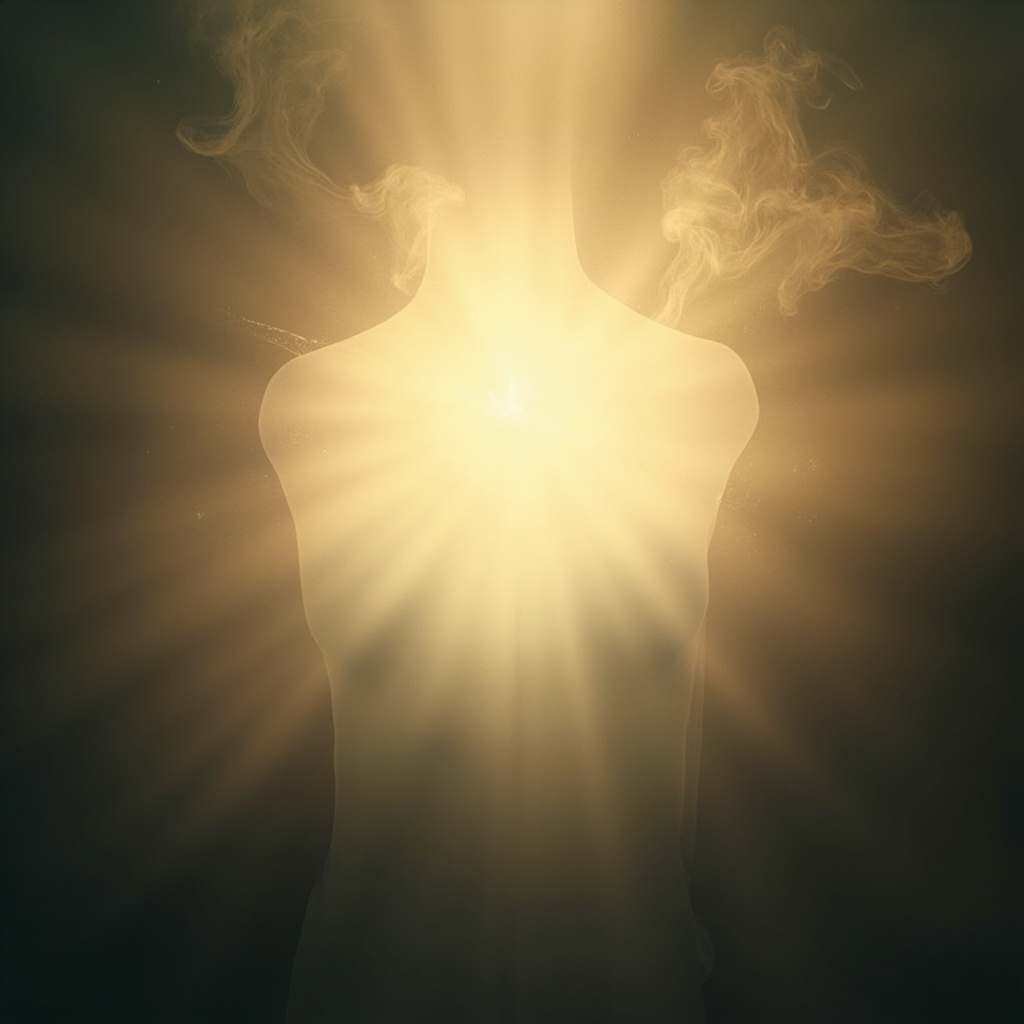
Do you ever feel a strange, persistent weight in the center of your chest? It is not quite a pain, but a sensation of tightness or pressure, as if you are being squeezed. You may find yourself taking shallow breaths, feeling like you cannot quite get enough air, or sensing a subtle, nagging feeling of suffocation when you are under stress. You are not alone in this; many people describe a sensation of being overwhelmed by responsibilities, as if they are trapped in a situation with no clear exit.
Why Traditional Approaches Often Fall Short
Many seek help for this tightness, only to be told their heart and lungs are physically healthy. While it is vital to rule out medical emergencies, these standard tests often look only at the structure of the organs. They rarely account for the energy flow or the emotional residue held within the tissues themselves. When you try to treat the symptom with rest or standard exercise, the feeling often returns because the root cause-a deep-seated emotional struggle or an energetic blockage-remains untouched.
The Hidden Role of the Mediastinum
In Traditional Chinese Medicine, we look at the mediastinum-the central compartment of your chest-as more than just a physical space containing the heart and lungs. It is an energetic crossroads. When you experience intense stress, unresolved conflicts, or feel "trapped" by life's demands, this area can become congested. It is not just a muscle or a lung issue; it is a reflection of your inner need for space and freedom clashing with external constraints. When this area is blocked, it impacts your vitality, your mood, and your ability to process stress.
Why You Need a New Perspective
Ignoring this persistent tightness can lead to more than just discomfort. It often manifests as chronic fatigue, anxiety, or a sense of emotional disconnection. By understanding that your body stores these experiences as electrical and energetic patterns, you open the door to a more effective way of healing. The goal is not just to mask the pressure, but to harmonize the energy flowing through this vital center.
Restoring Balance Through Frequencies
When we analyze the body's electrical activity, we can identify specific markers that show how the mediastinum is functioning. This is where modern technology meets ancient wisdom. Through specialized sensors, we can map your unique energetic signature and identify where the flow is restricted.
BioCoherence offers a way to address this through personalized audio frequencies and micro-currents. Instead of guessing, we use the data from your own body to create a Harmonic Boost. Think of this as a gentle, targeted tuning for your internal structures. By applying specific frequencies, we encourage the mediastinum to release held tension, allowing your heart and lungs to function with greater ease.
Your Daily Path to Clarity
Beyond the physical, the Personal Guide within the software provides a 21-day journey tailored to your specific priorities. It uses targeted text and audio to help you process the emotional weight that may be contributing to your chest tightness. It is about reconnecting with your sense of self and creating the internal space you need to breathe freely again.
For those who prefer a more direct physical approach, our Harmonizer uses micro-currents to support the body's natural rhythm. By choosing programs designed for organ support and emotional balance, you can actively participate in your recovery. You are not just fixing a symptom; you are tuning your body to a state of coherence, where your physical health and emotional well-being finally align.
Related posts
Glossary
- Energy and mind Structures > Structure
- Energy and mind Structures > Sensation
- Body zones > lungs
- Body zones > mediastinum
- Body zones > tissues
- Body zones > chest
- Energy and mind Structures > Organs
- TCM Recipes > Heart Health: Remedies for Anxiety and Palpitations
- TCM Recipes > Lung Support: A TCM Recipe for Respiratory Health
- Energy and mind Structures > Stress
- Stimuli > Pain
- Stimuli > Lead