


Body zones
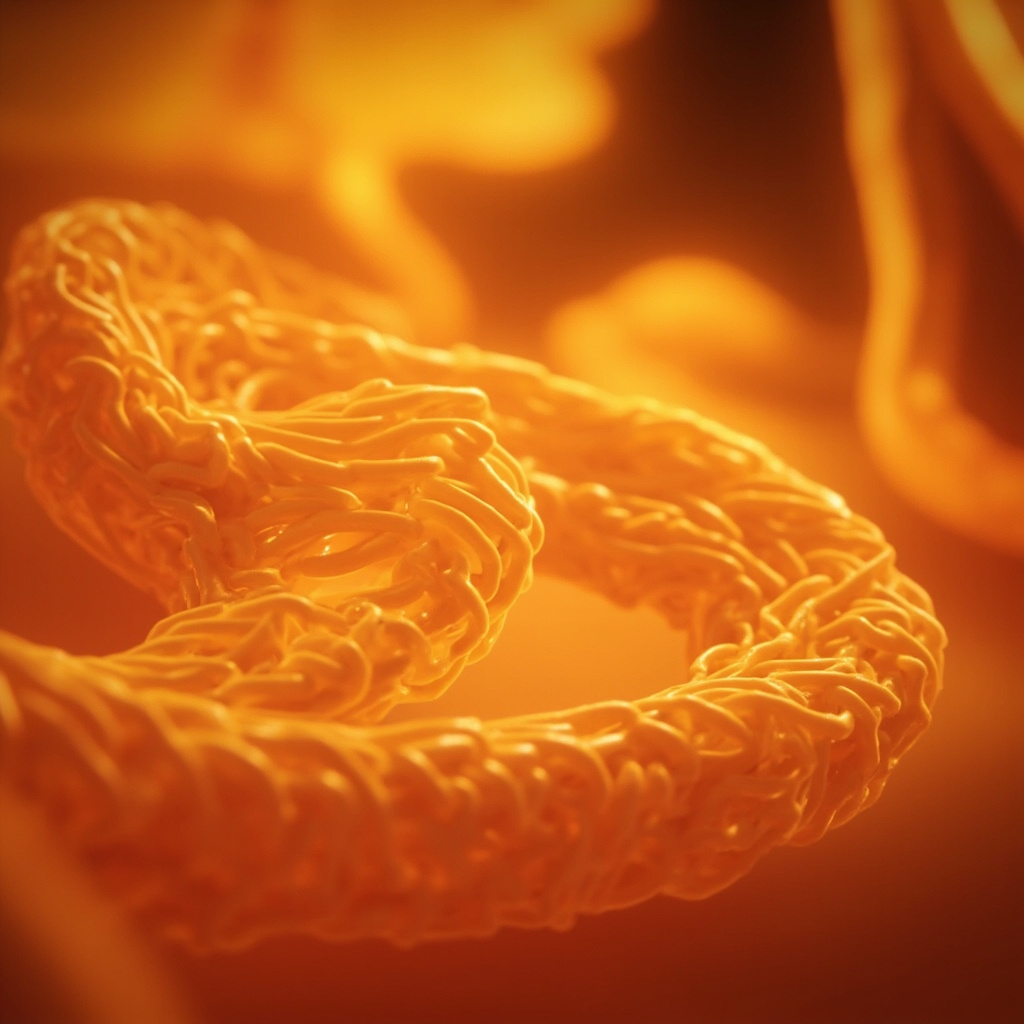
Duodenum Muscles: Muscles of the Small Intestine
(digestive.duodenum.muscles)Muscles in the duodenum, part of the small intestine, are located in the upper part of the digestive tract just below the stomach. When functioning properly, these smooth muscles contract rhythmically to mix and propel partially digested food, along with digestive enzymes and bile, further along the digestive tract for nutrient absorption. If these muscles malfunction, it can lead to conditions such as duodenal dysmotility or gastroparesis, causing symptoms like nausea, vomiting, bloating, and impaired digestion.
The muscles in the duodenum can help other organs by facilitating proper digestion and nutrient absorption, providing essential energy and information to the body, while also potentially alleviating stress-related symptoms that may impact overall organ function.
Muscle issues, particularly in the digestive system such as the duodenum, can be linked to emotions and feelings of powerlessness, lack of control, and difficulty digesting or accepting certain life situations. Stress, anxiety, and unresolved conflicts may manifest as physical discomfort or malfunction in these muscles.
The duodenum muscles, comprising smooth muscle fibers, are essential for the proper functioning of the small intestine. Their primary role is to facilitate the rhythmic contractions that mix and propel chyme-partially digested food-along with digestive enzymes and bile, ensuring effective nutrient absorption. This process is crucial for maintaining energy levels and overall vitality, as the absorbed nutrients fuel bodily functions and mental clarity. The duodenum interacts closely with organs such as the pancreas and liver, which release enzymes and bile necessary for digestion, highlighting the interconnected nature of the digestive system. Additionally, disruptions in muscle function can lead to gastrointestinal disorders, impacting not just physical health but also emotional well-being; for instance, feelings of frustration or anxiety may arise when digestion is compromised. Understanding these muscles' role can empower individuals to address underlying emotional stressors that affect digestive health, fostering resilience and enhancing overall well-being. By supporting efficient digestion, the duodenum muscles contribute significantly to physical energy, mental sharpness, and emotional stability, reinforcing the importance of digestive health in holistic wellness.
In BioCoherence, find the organ biomarkers and structures in Analyze > Body > Organs maps.
To comment, subscribe to the newsletter and get exclusive BioCoherence offers, please create a free account
Legal page
Website (c) 2026 Coherence Labs; contents (c) their respective authors.
Disclaimer BioCoherence provides both an academic analysis and an energetic and experimental analysis.
The information displayed may or may not be correlated with the physical state of the systems.
Calculations are based on individual measurements and experimental algorithms.
All computed results like energy levels, entropy levels and coherent systems are designed to provide useful information for personal development, not for medical purposes. The usage of all results are under the sole responsibility or the user. In case of doubt, it is important to consult a medical doctor. Please check our EULA before deciding your use of the software.