


Body zones
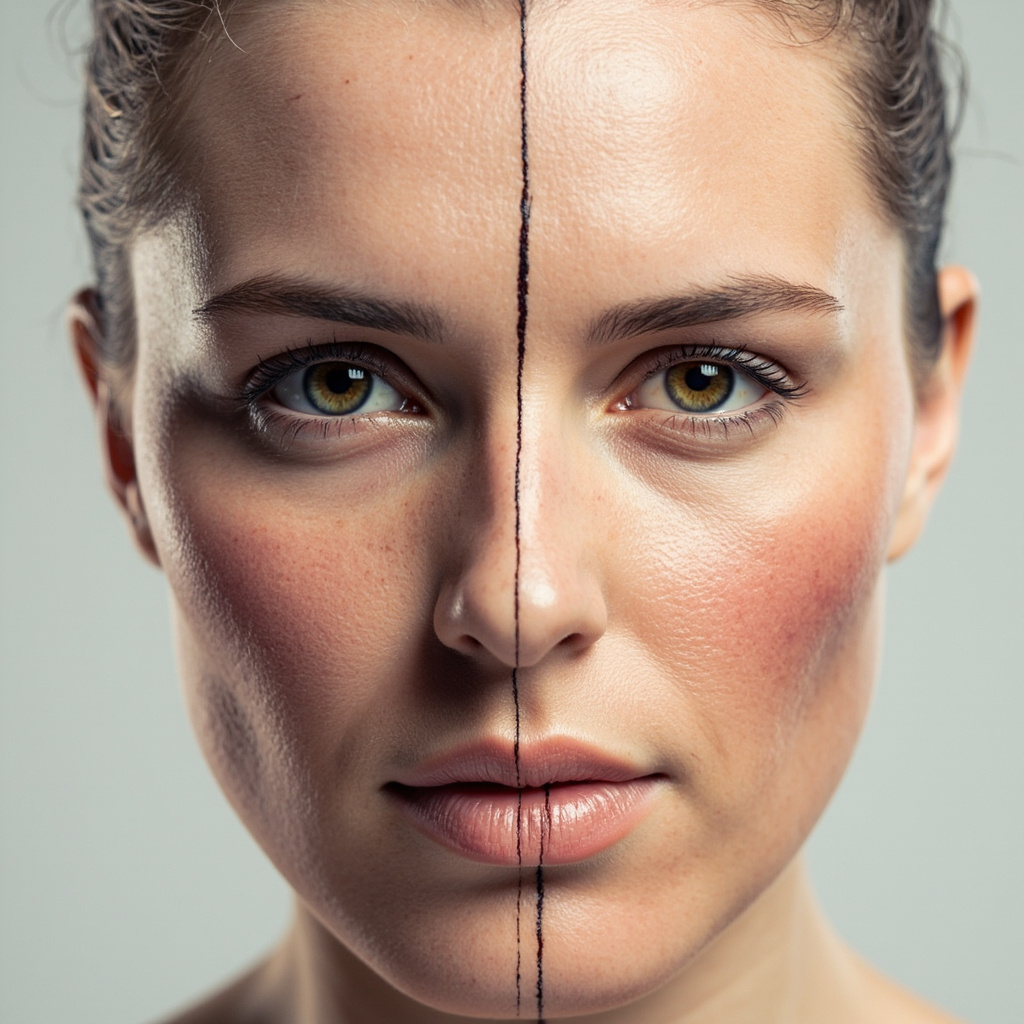
Face: The Front Part of the Head with Features
(skin.face)The face is located on the front part of the head. When functioning properly, it allows for sensory input (sight, smell, taste), facial expressions, and speech. If malfunctioning, it can result in impaired vision, loss of smell or taste, difficulty in expressing emotions, and problems with speech and communication.
The face can help other priority organs by providing sensory feedback that influences emotional well-being, facilitating communication and social interaction, and reflecting internal states that may guide self-awareness and personal growth.
The face, particularly the skin, can reflect deep emotional conflicts and feelings. Issues with facial skin may indicate a conflict related to self-identity or how one perceives oneself in relation to others. A common cause of facial skin problems could be a fear of losing face, feeling humiliated, or being unable to show one's true self. Emotional stress related to appearance, social acceptance, or personal image can manifest as skin issues on the face.
The skin of the face serves as a vital biomarker that reflects both physical and emotional health, playing a crucial role in sensory perception and interpersonal communication. It protects underlying structures, regulates temperature, and acts as a barrier against pathogens. The facial skin is interconnected with various organs and systems, such as the nervous system, which influences facial expressions and emotional responses, and the endocrine system, which can affect skin health through hormonal changes. This interplay is significant; for instance, stress can lead to increased cortisol levels, manifesting as skin issues like acne or eczema, which may further affect self-esteem and social interactions. Additionally, the face is often associated with expressions of emotional well-being, serving as a canvas for our feelings and experiences. Thus, maintaining healthy facial skin not only supports physical vitality but also enhances mental resilience and overall well-being. Optimal skin health can foster a positive self-image, encouraging confidence and social connectivity, and ultimately contributing to one's energetic balance and holistic health.
In BioCoherence, find the organ biomarkers and structures in Analyze > Body > Organs maps.
To comment, subscribe to the newsletter and get exclusive BioCoherence offers, please create a free account
Legal page
Website (c) 2026 Coherence Labs; contents (c) their respective authors.
Disclaimer BioCoherence provides both an academic analysis and an energetic and experimental analysis.
The information displayed may or may not be correlated with the physical state of the systems.
Calculations are based on individual measurements and experimental algorithms.
All computed results like energy levels, entropy levels and coherent systems are designed to provide useful information for personal development, not for medical purposes. The usage of all results are under the sole responsibility or the user. In case of doubt, it is important to consult a medical doctor. Please check our EULA before deciding your use of the software.