


Body zones
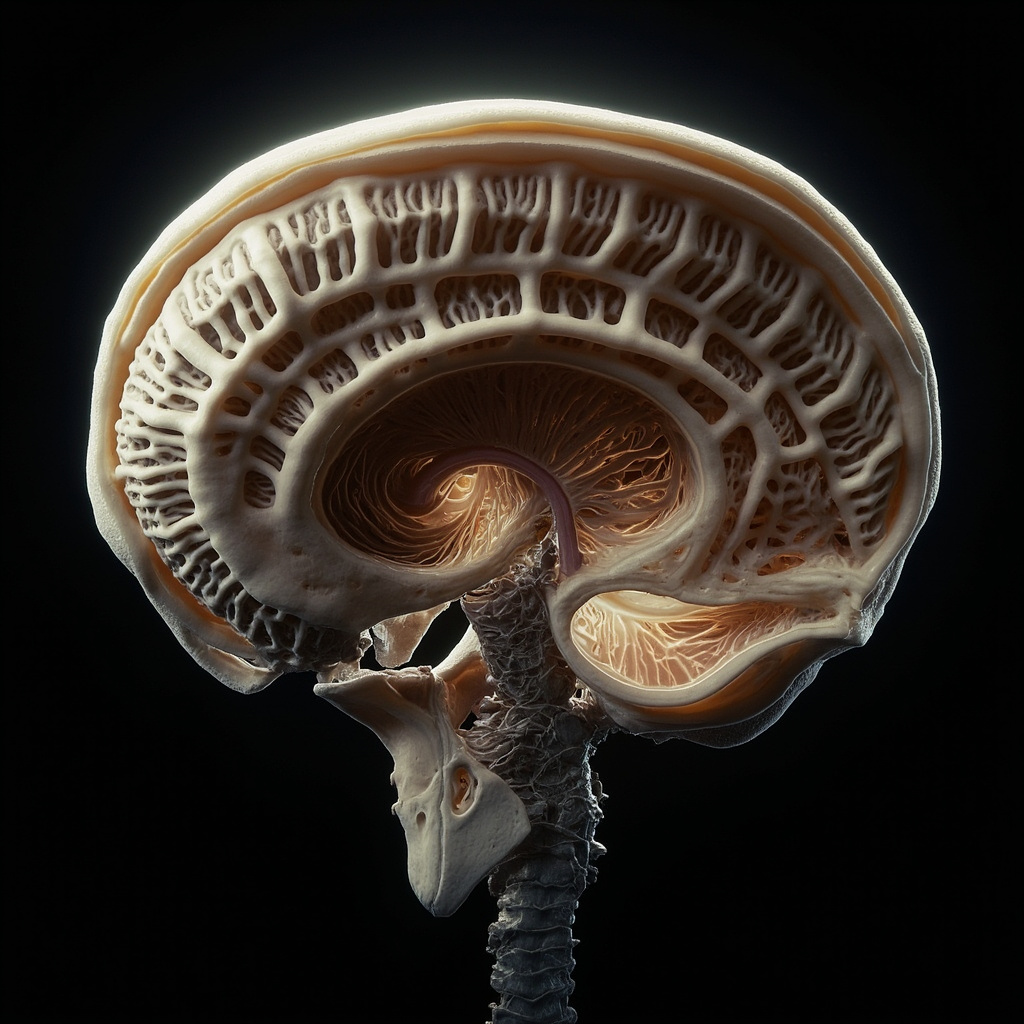
Inner Ear: Key Structure for Hearing and Balance
(senses.ears.inner)The inner ear is located within the temporal bone of the skull. It is responsible for hearing and balance. When functioning properly, the inner ear converts sound waves into electrical signals for the brain to interpret and helps maintain equilibrium. If it malfunctions, it can lead to hearing loss, vertigo, balance disorders, and tinnitus.
The inner ear can help other organs by providing vital information about balance and spatial orientation, enabling them to adjust and respond effectively, while its role in processing emotional responses can aid in alleviating stress and promoting overall stability in the body's functions.
The inner ear is associated with emotions and feelings related to balance, both physically and emotionally. Issues with the inner ear may indicate an internal conflict involving one's ability to maintain stability in life or to process and react to what is heard. Emotional stress, particularly related to disorientation, loss of direction, or an inability to hear and accept certain truths, can contribute to inner ear malfunctions. The body may manifest these conflicts through symptoms like vertigo, tinnitus, or hearing loss as a way of signaling these deeper emotional struggles.
The inner ear is a vital structure that plays a dual role in hearing and balance, significantly influencing overall physical, mental, and energetic health. It houses the cochlea, which transforms sound waves into electrical impulses, allowing the brain to perceive sound. Additionally, the vestibular system within the inner ear is crucial for maintaining equilibrium and spatial orientation. This functionality directly interacts with the central nervous system and other sensory organs, ensuring coordinated responses that support daily activities and overall resilience. The inner ear's health is intertwined with emotional well-being; its functioning can reflect and influence one's ability to cope with stress and maintain internal harmony. Disruptions in this system can manifest as tinnitus, vertigo, or balance issues, often indicating deeper emotional conflicts related to stability and self-acceptance. Therefore, nurturing the inner ear through practices that promote auditory and vestibular health can enhance energy, vitality, and well-being, fostering a sense of groundedness and clarity in one's life journey.
In BioCoherence, find the organ biomarkers and structures in Analyze > Body > Organs maps.
To comment, subscribe to the newsletter and get exclusive BioCoherence offers, please create a free account
Legal page
Website (c) 2026 Coherence Labs; contents (c) their respective authors.
Disclaimer BioCoherence provides both an academic analysis and an energetic and experimental analysis.
The information displayed may or may not be correlated with the physical state of the systems.
Calculations are based on individual measurements and experimental algorithms.
All computed results like energy levels, entropy levels and coherent systems are designed to provide useful information for personal development, not for medical purposes. The usage of all results are under the sole responsibility or the user. In case of doubt, it is important to consult a medical doctor. Please check our EULA before deciding your use of the software.