


Body zones
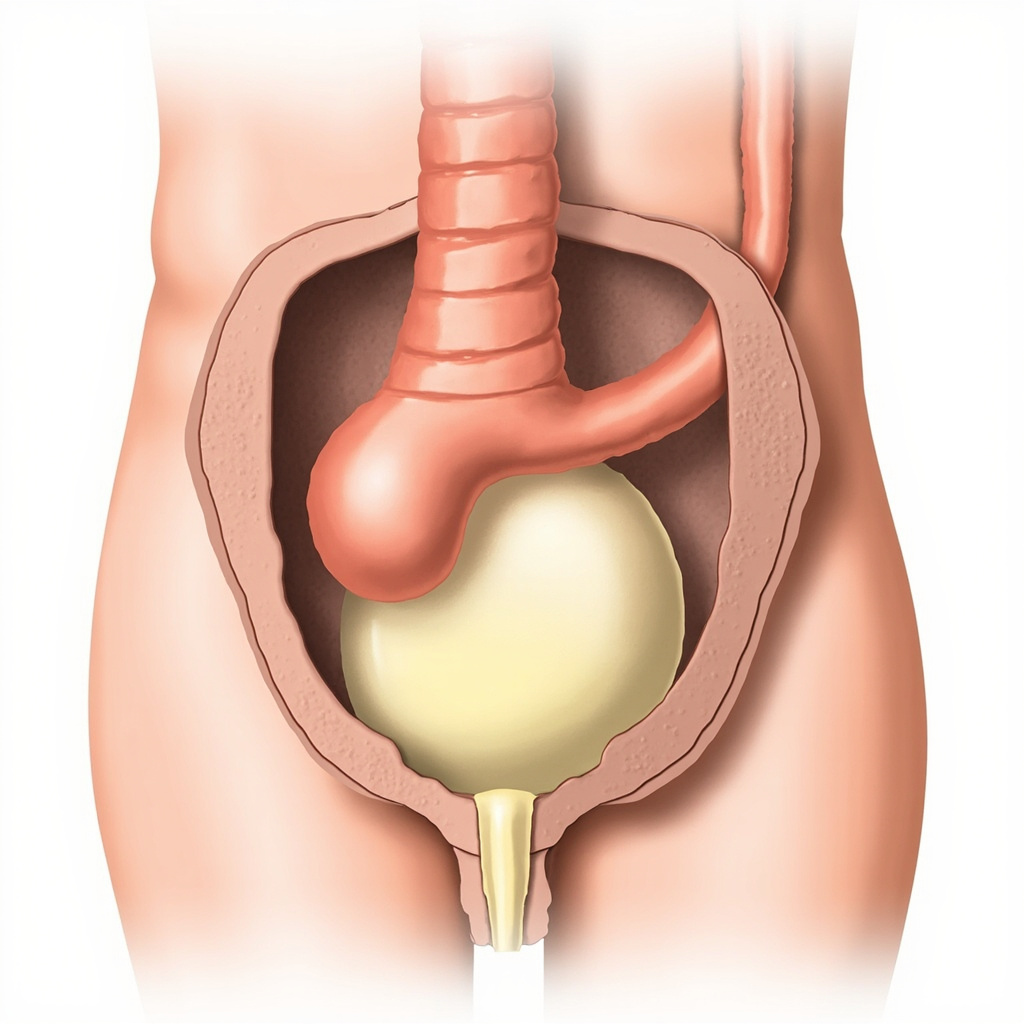
Nerves of the Bladder: Nerve Supply to the Bladder
(nerves.bladder)The bladder is a hollow organ located in the lower abdomen, specifically in the pelvic region. When functioning properly, it stores urine produced by the kidneys and expels it through the urethra during urination. If the bladder malfunctions, possible effects include urinary incontinence, frequent urination, urinary retention, and increased risk of infections.
The bladder can help other priority organs by regulating fluid balance and communication, supporting emotional stability, and promoting a sense of control and security, which can enhance overall physiological and psychological well-being.
The bladder is often linked to emotions and feelings related to territory, boundaries, and control. Malfunctioning of the bladder can indicate a response to conflicts about one's space or environment, a sense of feeling invaded, or having difficulty in marking one's boundaries. It may also reflect issues of insecurity, fear, or unresolved emotional stress related to these areas.
The nerves of the bladder play a crucial role in the autonomic nervous system, managing bladder function by regulating the storage and release of urine. Primarily, the parasympathetic nerves stimulate bladder contraction during urination, while the sympathetic nerves control bladder relaxation and storage, ensuring proper fluid balance within the body. This intricate interplay supports not only physical health by preventing urinary dysfunction but also contributes to mental and emotional well-being; a well-functioning bladder is linked to feelings of control and security. The bladder interacts closely with the kidneys, which filter blood to produce urine, and any disruptions in this communication can lead to systemic issues such as infections or fluid imbalance. Additionally, the bladder is associated with emotional responses tied to territoriality and boundaries, as disturbances may reflect deeper psychological conflicts regarding personal space and security. By maintaining optimal bladder function, individuals can enhance their energy, resilience, and overall vitality, fostering a stronger connection between physiological health and emotional stability. This holistic approach is essential for achieving balance in both body and mind.
In BioCoherence, find the organ biomarkers and structures in Analyze > Body > Organs maps.
To comment, subscribe to the newsletter and get exclusive BioCoherence offers, please create a free account
Legal page
Website (c) 2026 Coherence Labs; contents (c) their respective authors.
Disclaimer BioCoherence provides both an academic analysis and an energetic and experimental analysis.
The information displayed may or may not be correlated with the physical state of the systems.
Calculations are based on individual measurements and experimental algorithms.
All computed results like energy levels, entropy levels and coherent systems are designed to provide useful information for personal development, not for medical purposes. The usage of all results are under the sole responsibility or the user. In case of doubt, it is important to consult a medical doctor. Please check our EULA before deciding your use of the software.