


Body zones
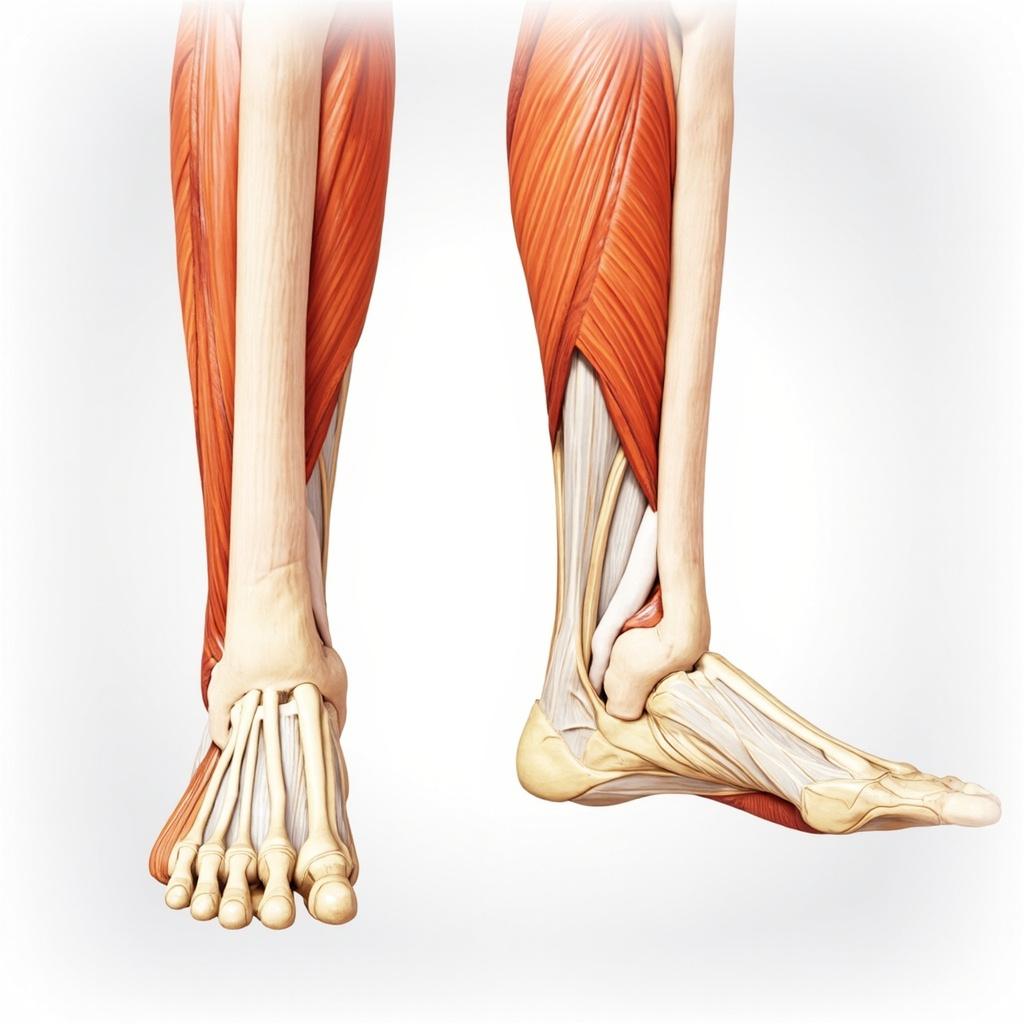
Extremities: Muscles of the Limbs
(muscles.extremities)Extremities refer to the limbs of the body, including arms and legs. When functioning properly, muscles in the extremities enable movement, strength, and coordination, allowing for activities like walking, lifting, and grasping. If malfunctioning, it can lead to weakness, limited mobility, pain, and impaired daily activities.
The extremities can help other organs by facilitating movement and physical activity, enhancing circulation and energy flow, promoting emotional release through movement, and providing a sense of stability and support that can positively influence overall well-being and motivation.
The extremities, including muscles, are often linked to feelings of not being able to move forward in life or feeling stuck. Emotional conflicts related to direction, goals, and the ability to take action can manifest in these areas. Possible causes of malfunctioning include feeling powerless, experiencing a lack of support, or struggling with self-worth and identity. These emotions can lead to physical issues like pain, weakness, or restricted movement in the extremities.
The muscles of the extremities play a crucial role in enabling locomotion, strength, and fine motor skills, which are essential for daily activities and overall physical health. These muscles, including the biceps, quadriceps, and deltoids, work in concert with the nervous system and the skeletal structure to facilitate movement and coordination. Proper functioning of these muscles enhances circulation, allowing for improved oxygenation and nutrient delivery throughout the body, which is vital for energy production and metabolic health. Additionally, the extremities are interconnected with emotional well-being; they can reflect deeper feelings of empowerment or stagnation, influencing one's ability to pursue goals and navigate life challenges. Physical limitations in the extremities may signify emotional blockages or unresolved conflicts, impacting resilience and vitality. Engaging in regular physical activity not only strengthens these muscles but also promotes emotional release and mental clarity, fostering a sense of stability and support. Thus, maintaining healthy extremity muscles is essential for bolstering energy, promoting overall well-being, and enhancing the ability to adapt to life's demands.
In BioCoherence, find the organ biomarkers and structures in Analyze > Body > Organs maps.
To comment, subscribe to the newsletter and get exclusive BioCoherence offers, please create a free account
Legal page
Website (c) 2026 Coherence Labs; contents (c) their respective authors.
Disclaimer BioCoherence provides both an academic analysis and an energetic and experimental analysis.
The information displayed may or may not be correlated with the physical state of the systems.
Calculations are based on individual measurements and experimental algorithms.
All computed results like energy levels, entropy levels and coherent systems are designed to provide useful information for personal development, not for medical purposes. The usage of all results are under the sole responsibility or the user. In case of doubt, it is important to consult a medical doctor. Please check our EULA before deciding your use of the software.