


Body zones
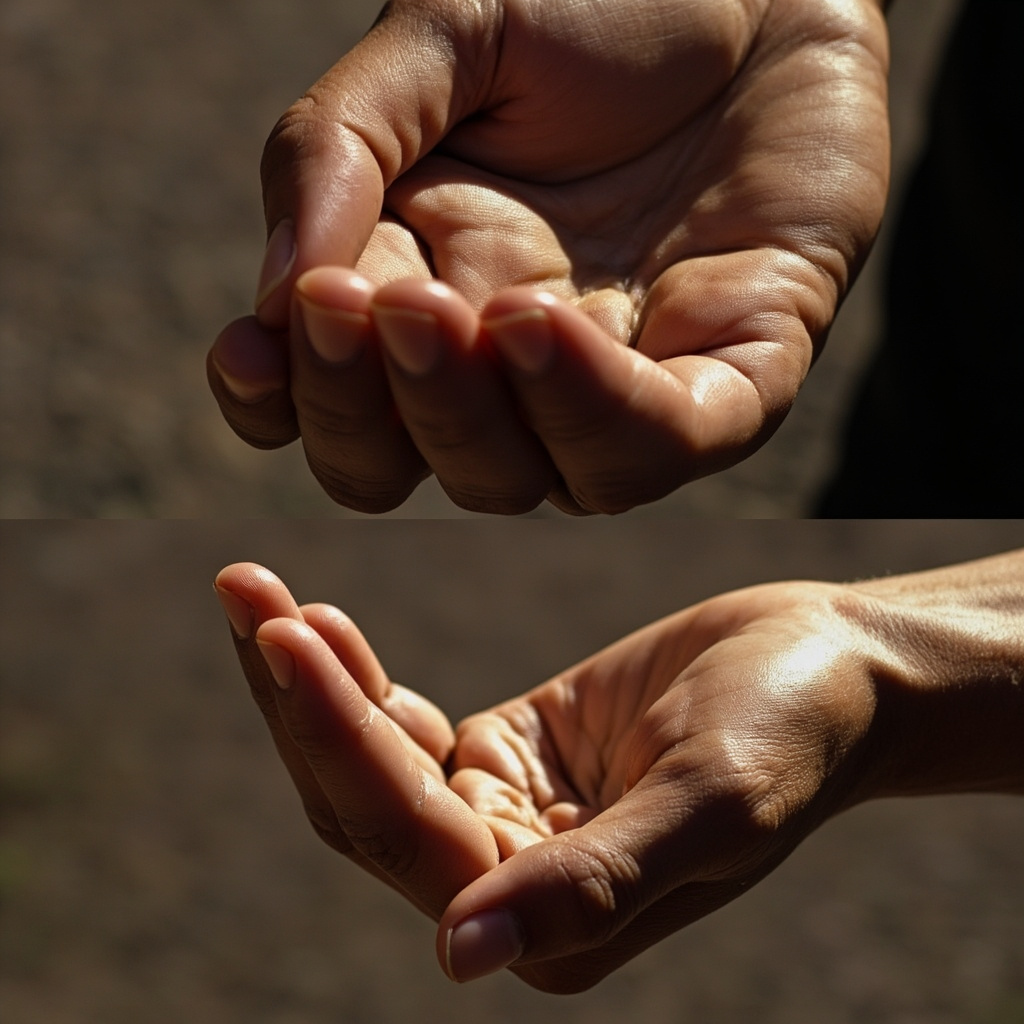
Joints of the Hand: Connections for Movement and Grip
(joints.hand)The hand is located at the end of the forearm and consists of multiple joints including the wrist, knuckles, and finger joints. When functioning properly, it allows for a wide range of movements and dexterity, enabling tasks such as gripping, holding, and manipulating objects. If malfunctioning, it can lead to reduced mobility, pain, and difficulty performing everyday tasks, significantly impacting the quality of life.
The hand can help other priority organs by facilitating communication and coordination through gestures, enabling emotional expression and physical interaction, which can enhance overall well-being and energy flow within the body.
The hands are linked to actions, abilities, and the capacity to handle situations. Emotional conflicts causing hand issues may involve a sense of being unable to grasp or let go of something, feeling powerless, or experiencing guilt related to actions taken or not taken. Feelings of inadequacy in handling life's tasks or challenges can also manifest in hand problems.
The joints of the hand are crucial structures that facilitate a wide range of movements essential for daily activities, from gripping to fine motor skills. These joints, including the carpometacarpal, metacarpophalangeal, and interphalangeal joints, work synergistically to enable complex hand functions and enhance dexterity. Their proper functioning is vital not only for physical tasks but also for mental health, as the hands serve as a primary medium for communication and emotional expression. Dysfunction in these joints can lead to pain and limited mobility, which may adversely affect overall well-being and energy levels. Additionally, the hands are interconnected with the nervous system, influencing sensory feedback and coordination with other body parts, thus playing a significant role in maintaining systemic health. Emotionally, hand issues can reflect feelings of inadequacy or challenges in managing life's demands, linking physical ailments to emotional states. By supporting joint health through movement and mindfulness practices, individuals can enhance their vitality and resilience, fostering a greater sense of energy and balance in their lives.
In BioCoherence, find the organ biomarkers and structures in Analyze > Body > Organs maps.
To comment, subscribe to the newsletter and get exclusive BioCoherence offers, please create a free account
Legal page
Website (c) 2026 Coherence Labs; contents (c) their respective authors.
Disclaimer BioCoherence provides both an academic analysis and an energetic and experimental analysis.
The information displayed may or may not be correlated with the physical state of the systems.
Calculations are based on individual measurements and experimental algorithms.
All computed results like energy levels, entropy levels and coherent systems are designed to provide useful information for personal development, not for medical purposes. The usage of all results are under the sole responsibility or the user. In case of doubt, it is important to consult a medical doctor. Please check our EULA before deciding your use of the software.