


Body zones
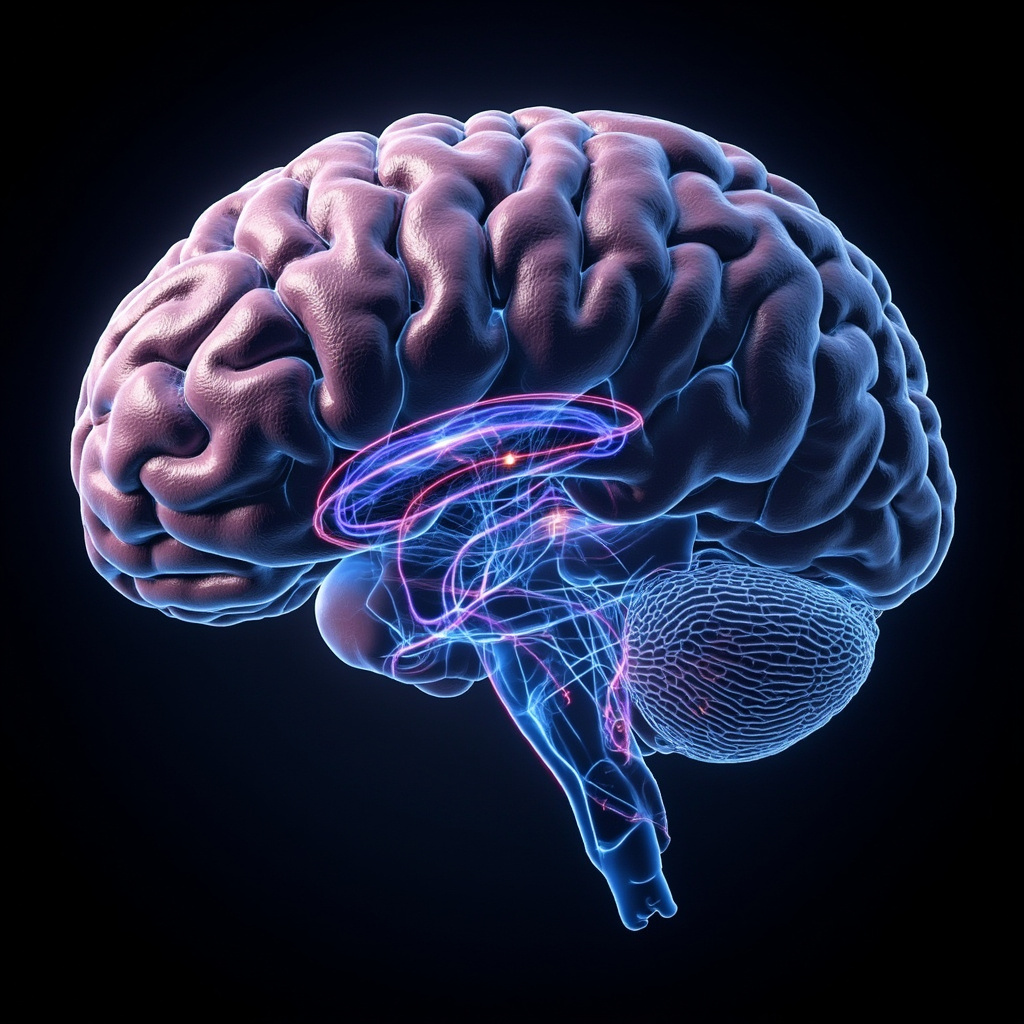
Brain: Central organ of the nervous system.
(nerves.spinal.brain)The brain is located in the skull and is the central organ of the nervous system. It controls thought, memory, emotion, touch, motor skills, vision, breathing, temperature, and many other bodily functions. When functioning properly, it processes sensory information, regulates bodily functions, and enables complex cognitive abilities. Malfunctioning can lead to disorders such as memory loss, impaired movement, changes in personality, or conditions like stroke, epilepsy, and mental health issues.
The brain can help other organs by coordinating their functions through neural signals, regulating physiological processes, and adjusting responses to maintain homeostasis, ultimately enhancing overall bodily efficiency and health.
The brain is linked to emotions and feelings of control, decision-making, and intellectual capacity. Malfunctions in the brain may be associated with conflicts related to self-devaluation, loss of control, or inability to manage situations. These issues can arise from perceived threats to one's intellectual abilities, decision-making power, or control over life circumstances. Emotional stress and unresolved conflicts can manifest as neurological or cognitive disorders.
The brain is a vital organ that serves as the central hub of the nervous system, integral to coordinating bodily functions and maintaining homeostasis. It is responsible for processing sensory information, regulating emotions, and facilitating cognitive functions such as reasoning and decision-making. The brain's interactions with other systems, including the endocrine and immune systems, underscore its role in overall health and resilience; for instance, it influences hormonal responses that affect stress management and metabolic processes. Furthermore, the brain is closely linked to emotional well-being, where a healthy brain fosters a sense of control and self-efficacy, while dysfunction can lead to emotional disturbances and cognitive impairments. This connection highlights the importance of mental health in achieving energy and vitality. By supporting neuroplasticity-the brain's ability to adapt and reorganize-engaging in activities like mindfulness, physical exercise, and social interaction can enhance cognitive functions and emotional stability. Overall, a well-functioning brain is crucial for sustaining energy, vitality, and resilience, contributing significantly to one's overall sense of well-being and quality of life.
In BioCoherence, find the organ biomarkers and structures in Analyze > Body > Organs maps.
To comment, subscribe to the newsletter and get exclusive BioCoherence offers, please create a free account
Legal page
Website (c) 2026 Coherence Labs; contents (c) their respective authors.
Disclaimer BioCoherence provides both an academic analysis and an energetic and experimental analysis.
The information displayed may or may not be correlated with the physical state of the systems.
Calculations are based on individual measurements and experimental algorithms.
All computed results like energy levels, entropy levels and coherent systems are designed to provide useful information for personal development, not for medical purposes. The usage of all results are under the sole responsibility or the user. In case of doubt, it is important to consult a medical doctor. Please check our EULA before deciding your use of the software.